A new report by the NASA Inspector General confirms that the leak in the Russian part of the International Space Station (ISS), occurring in the transfer compartment of the Zvezda module, is growing. The leak began in September 2019, and its rate has been increasing since then. In early 2023, it was less than 1 pound of atmosphere per day, and in April of the same year, this figure reached 3.7 pounds.
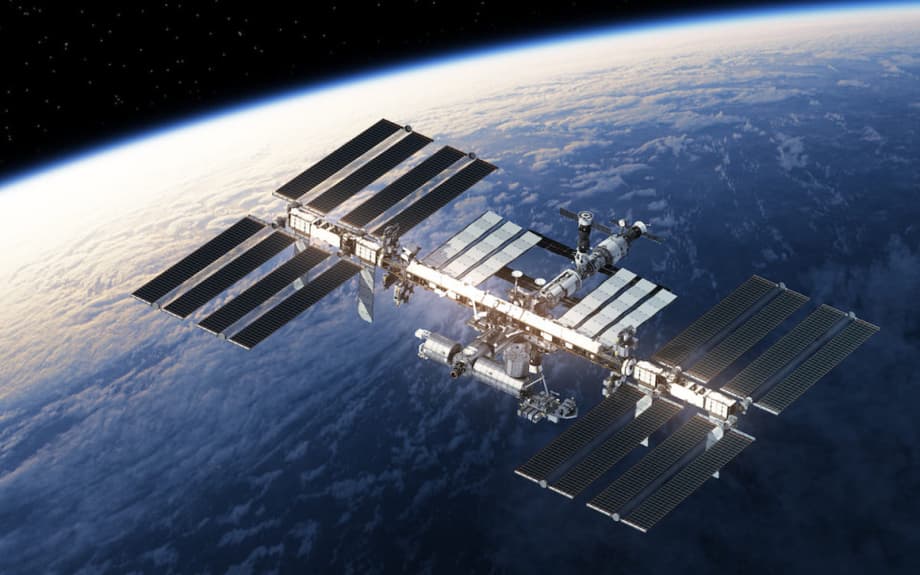
Despite several years of investigation, the cause of the leak remains unclear. The main measure to reduce the risk is to keep the hatch to the Intermediate Chamber closed, but if the situation worsens, the hatch may be closed permanently, which will reduce the number of docking nodes in the Russian part of the station from four to three.
NASA is considering the possible consequences of this event, especially in the context of extending the station's operation. The ISS is planned to be operated until 2028, and the space agency has expressed a desire to extend its operation until 2030. However, this will require significant financial investments, maintenance of aging structures, and confirmation of continued support from international partners, including Russia.
Given the technical difficulties and limited budget, the question also remains about the readiness of private operators to create alternative space stations by 2030.
Read more on this topic:
Equipment for ROS and the Russian PTK Orel tested on the ISS
Russian cosmonauts conducted a series of experiments on the ISS before returning home
Russian "Soyuz" spacecraft await their missions at the ISS space parking lot - video
Now on home

Start of deliveries scheduled for 2027

Over 51,000 new motorcycles were sold in Russia in 2025

The car will take at least a year to assemble

The application's audience has reached 20 million users

The model will be included in the list of cars for taxis, price - from 2.25 million rubles

All parking lots of the "Administrator of the Moscow Parking Space" are connected to the service

The cars will be supplied to the Moscow Transport Service Directorate

Deliveries to India may begin in 2028

The technology provides automated search for all types of defects in power units

The plane flew 500 km, accelerating to 425 km/h

The plant stated that the information about the termination of purchases for models 6 and 8 is not true

Scientists are using the "Ekran-M" installation