Russian anti-missile and anti-aircraft defense units will need to intercept R-360 multi-purpose tactical missiles of the Neptune complex in the border areas of the country's airspace. This opinion was expressed by military expert Evgeny Damantsev.
According to him, the new versions of the missiles are equipped with lighter penetrating high-explosive warheads and more voluminous fuel systems, which ensures an increase in the range from 280 to 500 - 700 km.
Target designation can be issued by an orbital group, or by operators of the RQ-4B Global Hawk strategic radar reconnaissance UAV. The main task is to intercept Neptune missiles in the border areas of Russian airspace.
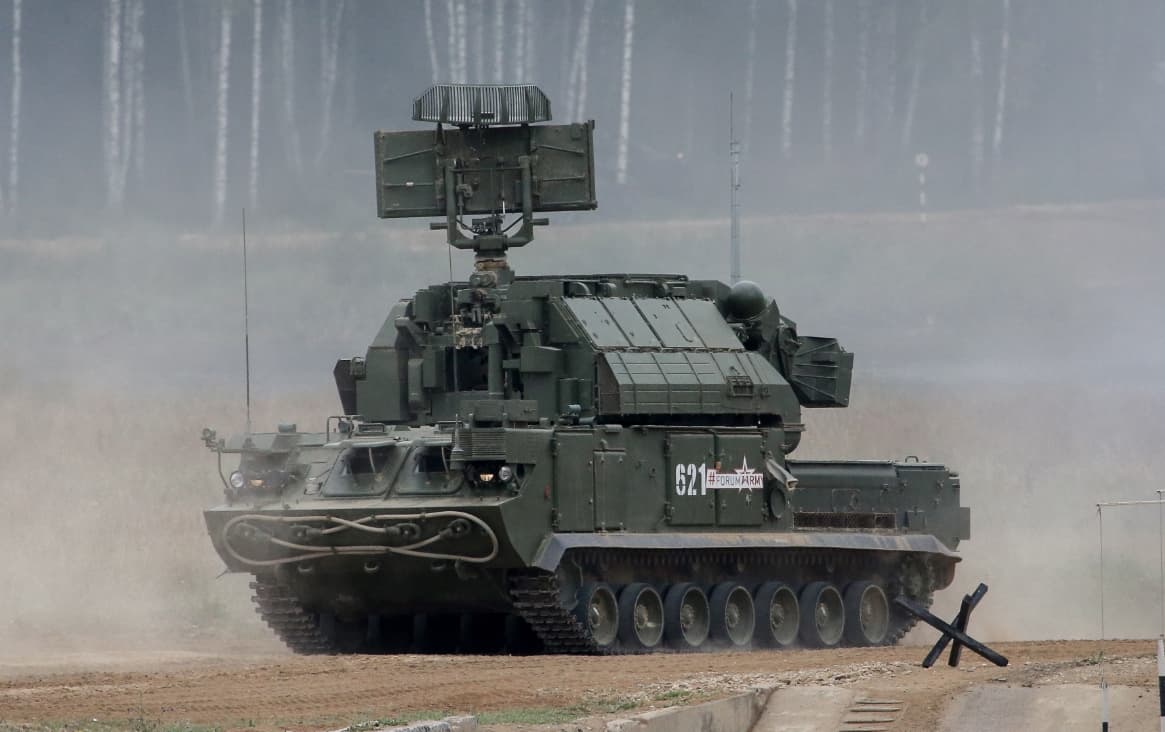
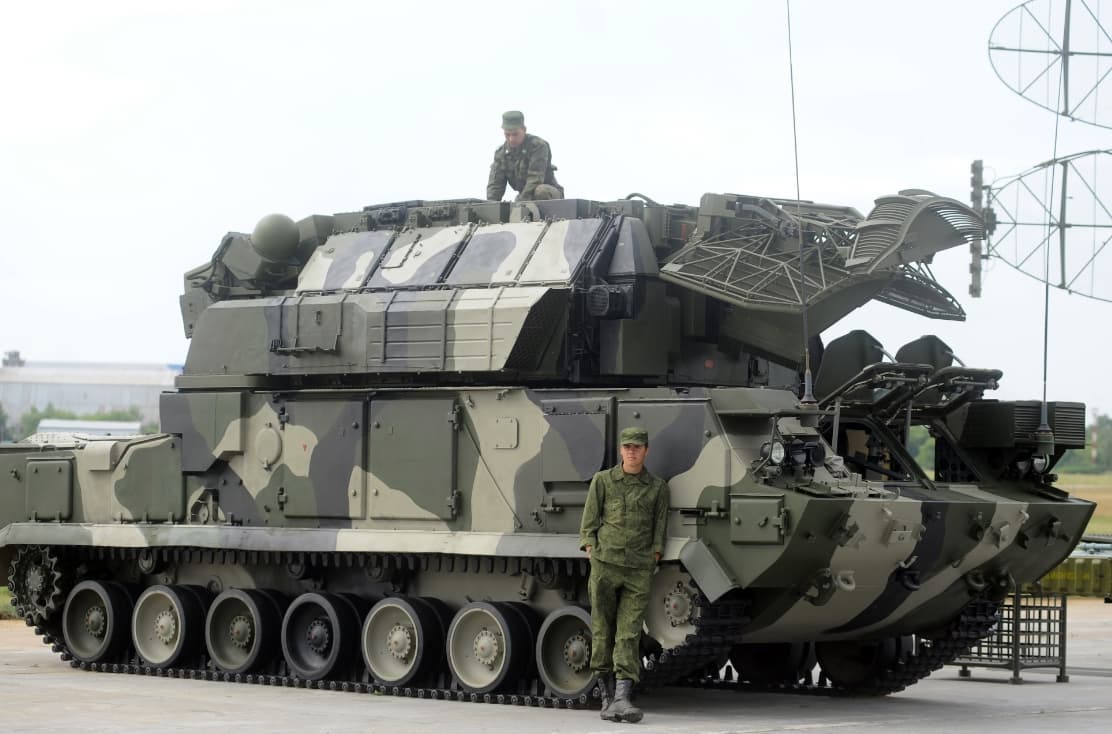
The analyst noted that the Tor-M1 SAM system crews can cope with this task. The detection radar and the small-element PFAR guidance radar of the complex detect the target at a distance of about 12 km. The guidance radar locks on at a distance of 8.5 - 9.5 km, after which the 9M331 SAM is launched and interception begins.
The presence of an ARGSN in the R-360 missile increases its RCS to 0.2 - 0.3 sq. m, which is approximately 10 times more than that of the SCALP-EG, and therefore the detection range of the X-band centimeter radar is approximately 2 times higher.
Earlier, the features of the combat mode of the Buk-M1 SAM system became known. It detects rockets at 15 km, and low-visibility drones at 25 km.
Read materials on the topic:
Two types of Chekan armored vehicles in demand at the front have been named
Comparison of the combat capabilities of the Su-35S and F-16 fighters: the difference is a gap
Will burn Abrams and Leopard 2: characteristics of the Upyr popular FPV drone revealed