Translated with AI from the Russian original.
Russia has developed an unmanned aerial vehicle that runs on a hydrogen fuel cell as an energy source. The drone was created to monitor power lines, gas pipelines, and oil pipelines.
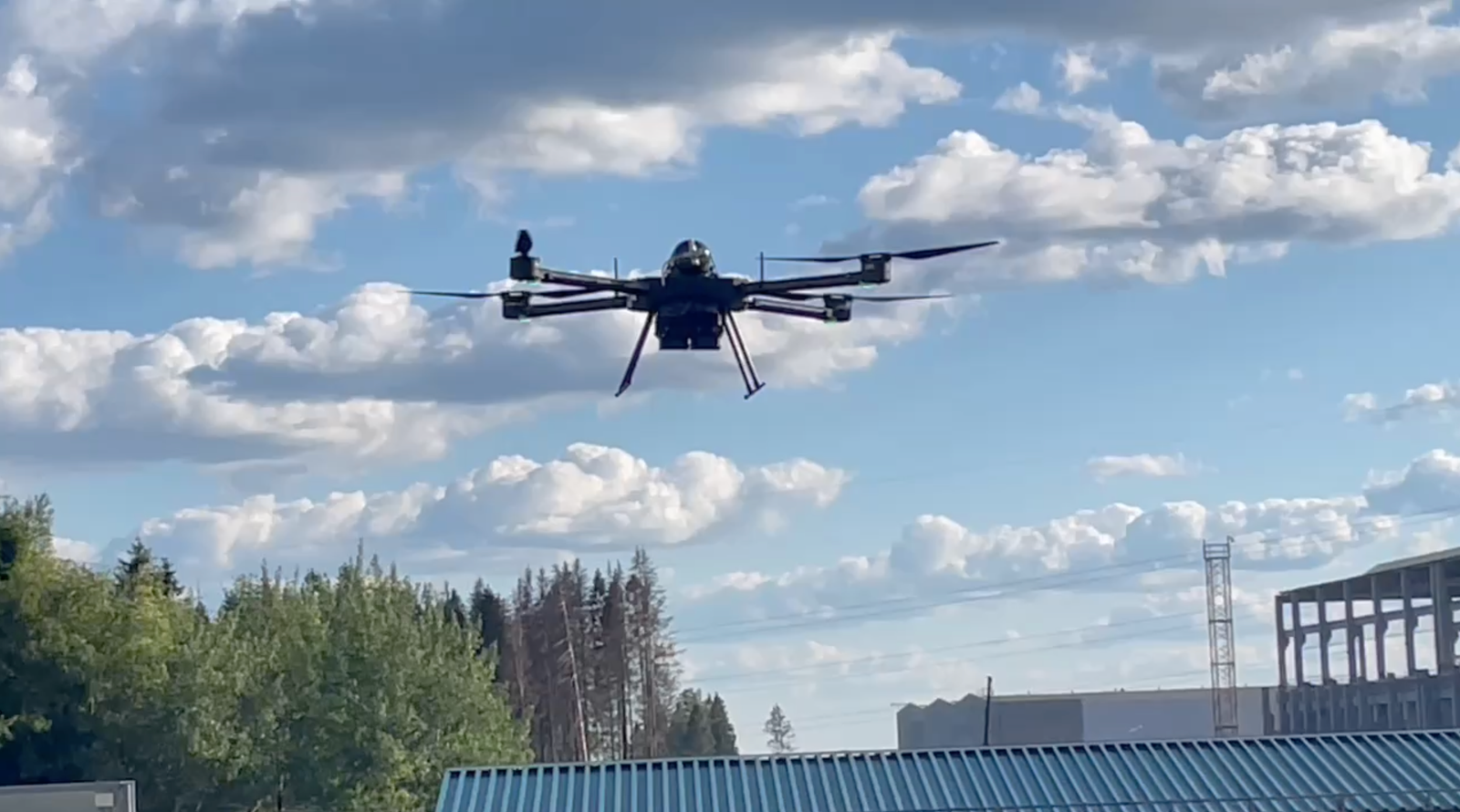
The main advantage of such a drone is the ability to install sensitive equipment due to the absence of vibration during flight, noted Vladimir Zinoviev, developer of the MIPT Engineering Center for Autonomous Energy.
Also, such UAVs do not leave a fuel and heat trail in the air, which makes it impossible to track its route, unlike UAVs with an internal combustion engine, the trail from which remains for up to six hours.
A container-type refueling station has been created for the drone, which allows them to be used in a combat zone. The station allows refueling a fuel cylinder with hydrogen at a pressure of up to 350 bar in less than five minutes, thanks to which the drone can stay in the air for more than two hours and operate at an altitude of more than 2 thousand meters.
Hydrogen was chosen because the low temperature only affects it positively. The project itself is aimed at autonomy, and hydrogen acts as an accumulator here.
Earlier, Forbes highlypraised the Russian tethered drone "Vandal Novgorodsky". The UAV operates via a fiber optic line, so any electronic warfare equipment is powerless against it.
Read related materials:
Only a pillar of black smoke: the crew of the Russian Mi-8AMTSh-VN helicopter destroyed the enemy's Magura-V5 kamikaze boat
There is never too much protection: a very unusual upgrade of the Spartak armored car has appeared on the Web
Never miss our newsAdd this site to your preferred sources to see us more oftenAdd on Google

















