JSC "Satellite System "Gonet" (part of Roscosmos), in collaboration with the company "3D Navigation", has developed three satellite antennas. This was announced by Andrey Manoylo, Deputy General Director of the enterprise.

Each of the three "Gonet" antennas is highly specialized. They are manufactured taking into account the requirements in the relevant consumer segment. The new products have shown high results in real operating conditions. They are ready for mass production.
The first antenna is designed for use in emergency alarm and monitoring systems. The second is for personal communications. It is capable of operating in a vertical position, which saves space.
The third antenna is designed for extreme conditions where significant mechanical stress, including impacts, is possible. This is relevant, for example, for the logging industry, where harvesters are often hit by falling branches or large clumps of snow. This requires increased strength from the antennas.
The founder of "3D Navigation", Andrey Zherlitsyn, noted that "Gonet" is a mobile satellite system that constantly changes the distance to the satellite and the angle of operation with the subscriber. These conditions dictate special requirements for antennas.
Earlier www1.ru reported that a new Russian personal satellite communication device has been developed.
Read related materials:
For space weather: Bauman University students will launch new small satellites
Russian pico-satellite for the first time in history showed the possibility of hosting from orbit
Now on home

Start of deliveries scheduled for 2027

Over 51,000 new motorcycles were sold in Russia in 2025

The car will take at least a year to assemble

The application's audience has reached 20 million users

The model will be included in the list of cars for taxis, price - from 2.25 million rubles

All parking lots of the "Administrator of the Moscow Parking Space" are connected to the service

The cars will be supplied to the Moscow Transport Service Directorate
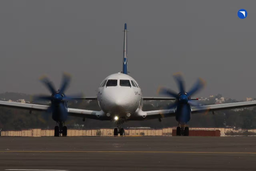
Deliveries to India may begin in 2028
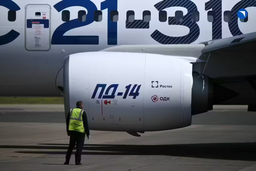
The technology provides automated search for all types of defects in power units
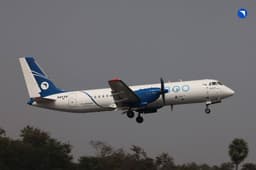
The plane flew 500 km, accelerating to 425 km/h

The plant stated that the information about the termination of purchases for models 6 and 8 is not true
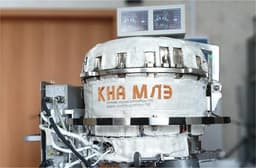
Scientists are using the "Ekran-M" installation