Budget FPV drones of Russian production have received artificial intelligence (AI) technologies for recognizing targets on the battlefield. Such drones will be able to autonomously target enemy equipment and weapons systems. This is according to Bulgarian Military.

The use of AI technologies has become a turning point for the development of unmanned aerial vehicles. Drones are trained to recognize specific targets, for example, to identify an enemy tank and fly towards it to strike.

In recent years, the Russian government has increased funding for institutions developing AI technologies. These efforts are aimed at stimulating innovation for military purposes. The emphasis on AI in the defense budget underscores Russia's commitment to using advanced technologies to strengthen its military potential.
According to Bulgarian Military, the Russian authorities have allocated significant funds to state and private developers for the development of AI technologies for UAVs. These include the Kalashnikov arms concern and the Kronstadt group of companies. The funding is part of the program to modernize the Russian Armed Forces and maintain technological parity with other states.
Read also on the topic:
"Veter" Company will create a swarm of FPV drones for the needs of military personnel using AI
Now on home

Герой России Гарнаев: никто из профессионалов о возобновлении производства на КАЗ всерьёз не говорит
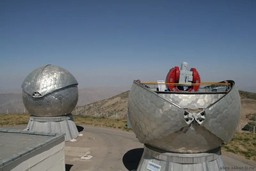
Система отслеживает спутники на высотах до 50 000 км и ведёт за ними наблюдение


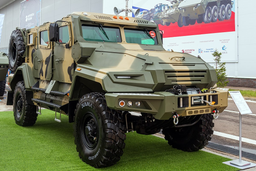
The armored vehicle is equipped with a KamAZ-740.35-400 diesel engine with a power of 400 hp.
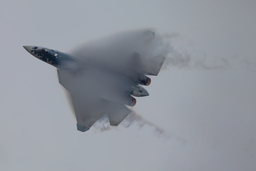
Constant improvements in avionics, weapons and tactical capabilities will make the aircraft a flexible response to future challenges

The exterior of the KamAZ-54901 features fairings on the cab and chassis for fuel economy
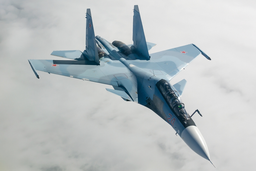
Fighters are in demand both domestically and abroad

Tyazhpromexport and Venezuela Agree on Plant Revival
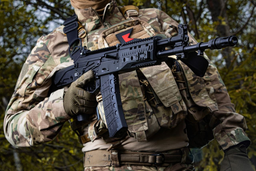
The company not only completed the state order, but also quickly mastered the production of AK-12K for special forces
Experts have developed a photogrammetric complex with a resolution of less than 1 cm