Specialists from the V. N. Orekhovich Institute of Biomedical Chemistry (IBMC) have developed an innovative biocomposite substance for the treatment of malignant skin tumors — melanoma. According to information from the press service of the Ministry of Education and Science of the Russian Federation, the new drug demonstrates 90% activity when exposed to cancer cells.
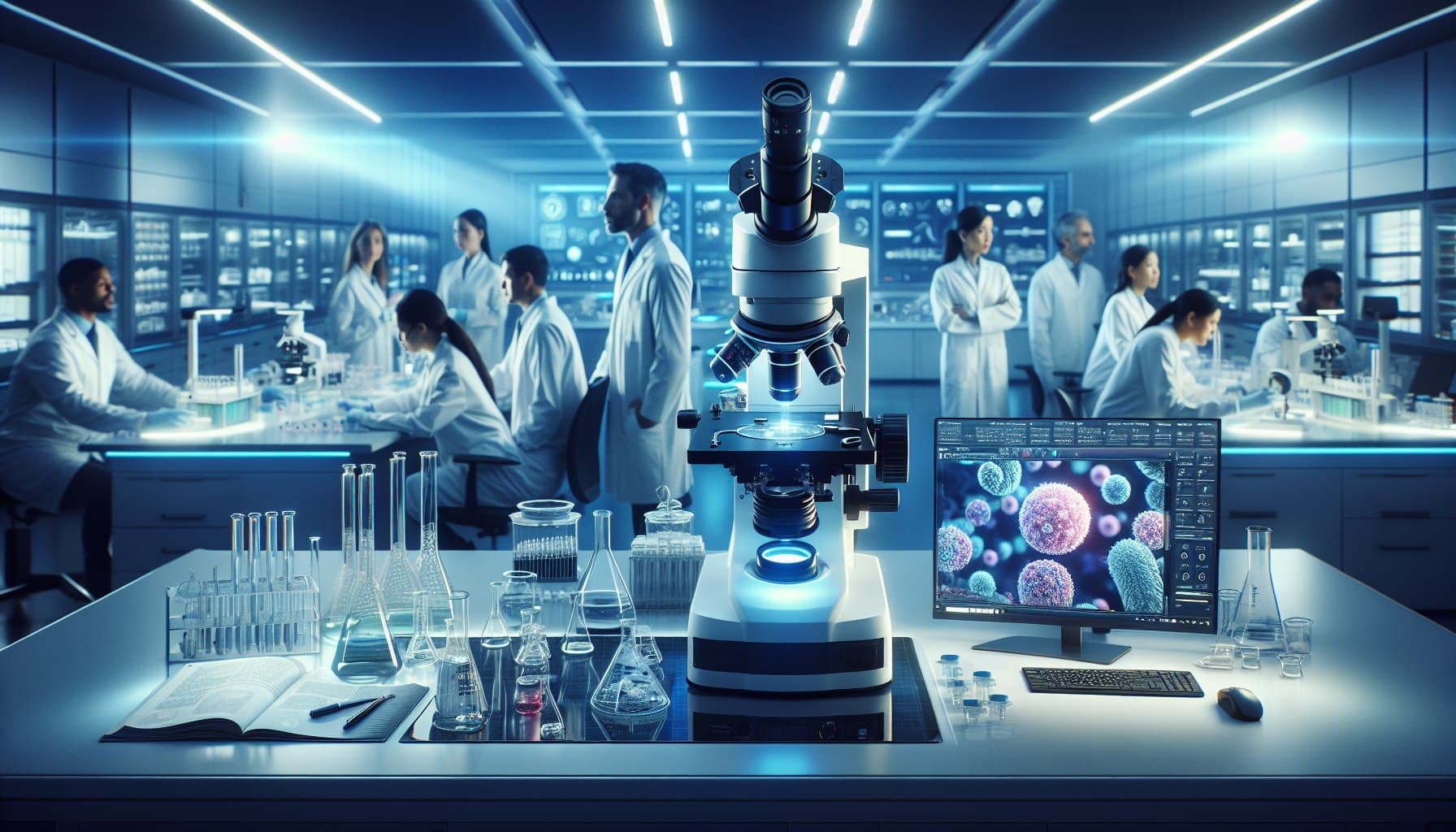
Researchers from IBMC have created a biocomposite based on bacterial cellulose and the enzyme L-asparaginase, immobilized on this cellulose. The use of this biocomposite made it possible to achieve localized and controlled delivery of the enzyme directly to melanoma cells, which led to the death of more than 90% of tumor cells.
The head of the laboratory of medical biotechnology at IBMC, Dmitry Zhdanov, explained that bacterial cellulose, which is a natural glucose polymer, has high purity and biocompatibility, as it does not contain impurities such as lignin and hemicellulose, which are present in plant cellulose.
Bacterial cellulose is characterized by bioinertness, which means the absence of noticeable toxicity at the genetic or cellular level and minimal inflammation.
The method of delivering a therapeutic enzyme immobilized on a bacterial cellulose film may be useful for treating superficial tumors, providing a long-lasting local effect on tumor cells and reducing side effects.
Zhdanov noted that additional research is required to move to the clinical application of the technology. Not all types of melanoma are sensitive to the action of L-asparaginase, but the developed strategy has the potential to become a new approach in the treatment of tumor diseases.
Read materials on the topic:
Russian application for determining skin cancer "ProRodinki" will work in polyclinics
Defeated cancer?: Russia has developed a revolutionary vaccine against all types of cancer