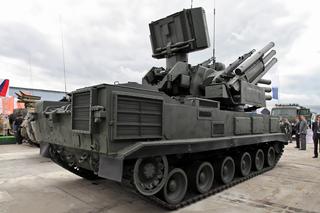
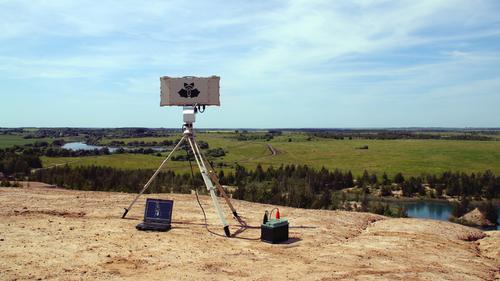
Russian military personnel have begun testing the Sobolyatnik and Sova radar stations in combat conditions. The robotic complexes are capable of detecting moving and stationary armored and lightly armored ground targets.
The stations also allow combat missions to be performed remotely without the involvement of personnel.
The products have already been tested at training grounds. Currently, their military-technical and experimental-military approbation is being carried out in combat conditions.
According to data from open sources, "Sobolyatnik" is capable of simultaneously tracking up to 20 different objects, which are then transferred to the artillery battery and attack aircraft.
The system determines the coordinates of objects with an accuracy of up to 10 m, which allows you to recognize equipment in a column and "see" it separately, and not in the form of a single long object in a certain area. The total weight of the complex is 36 kg.
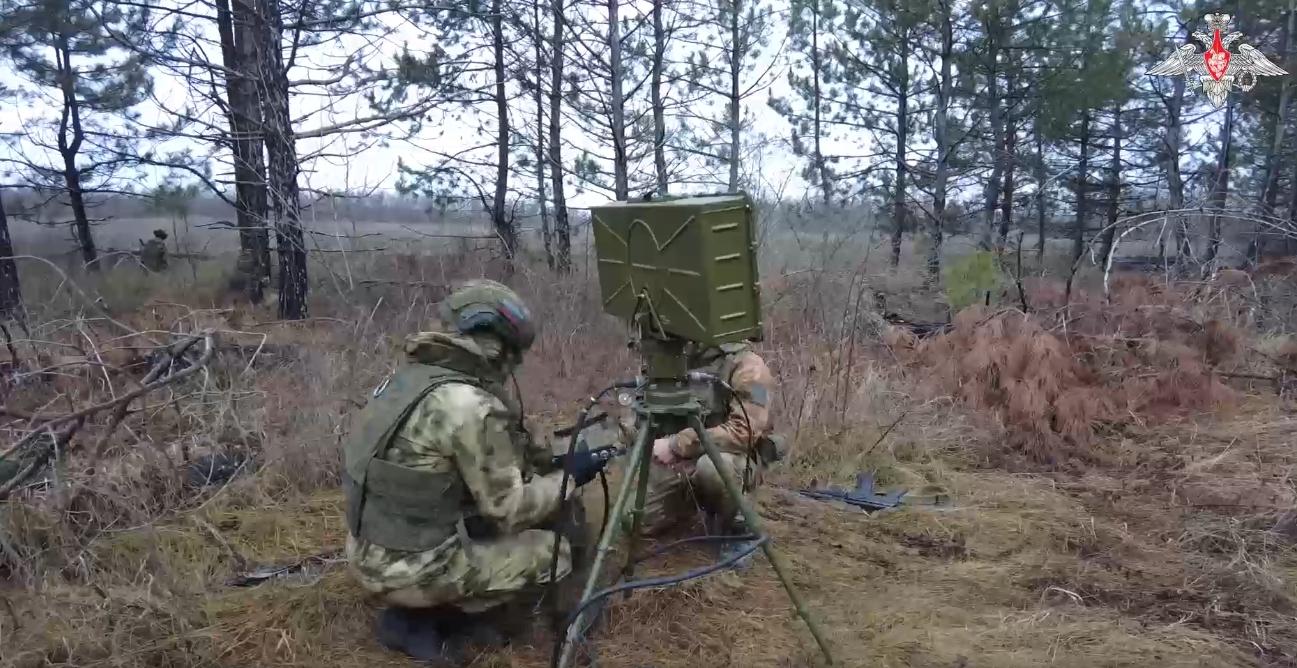
The "Sova" complex has a 360-degree viewing radius and can also simultaneously track up to 20 targets. It is capable of seeing small Mavic-type drones at a range of up to 2.5 km, a person - at a distance of up to 8 km, moving equipment and surface objects - up to 8 km.
Earlier www1.ru reported that the PD-2900 twin-engine drone from the Geran line with the Su-57 livery was developed in China. The declared flight duration is 12 hours with a range of up to 2500 km and a speed of up to 250 km/h.
Read materials on the topic:
Never miss our newsAdd this site to your preferred sources to see us more oftenAdd on Google