Russian military personnel have begun using tethered aerostats for communication. They are used as a signal repeater when transmitting information. Can this be considered a step forward, considering that aerostats first appeared in the Russian army back in the Russo-Japanese War, when flying balloons were an observation post allowing reconnaissance and artillery fire adjustment? Military expert Sergei Marzhetsky raised this question.
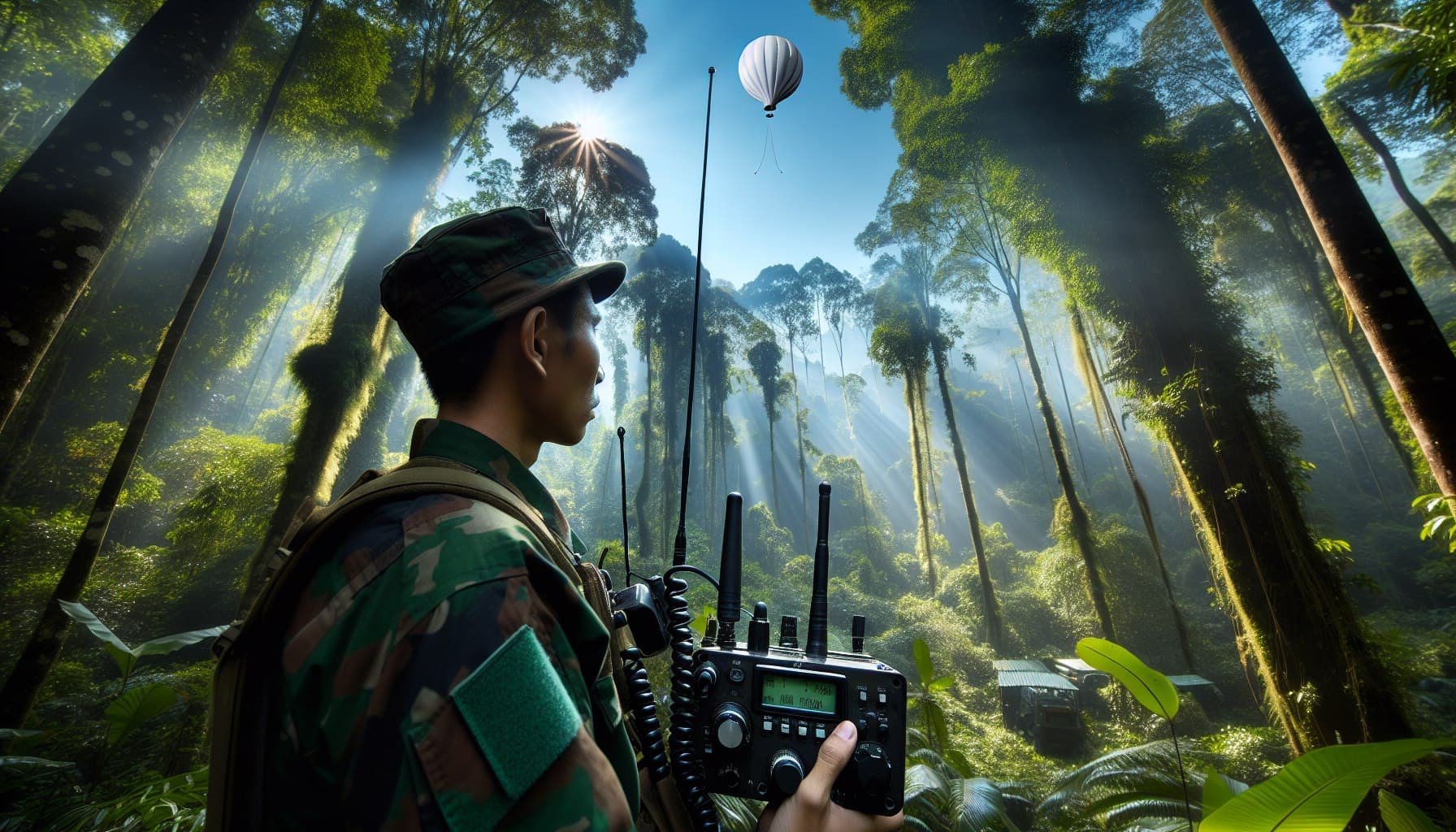
Back in 2014, ordinary Chinese-made kites were used in the Donbass to organize communication. Moreover, most of the cost of such devices was not the kites themselves, but long halyards and specialized electric winches with reverse and adjustable rotation speed.
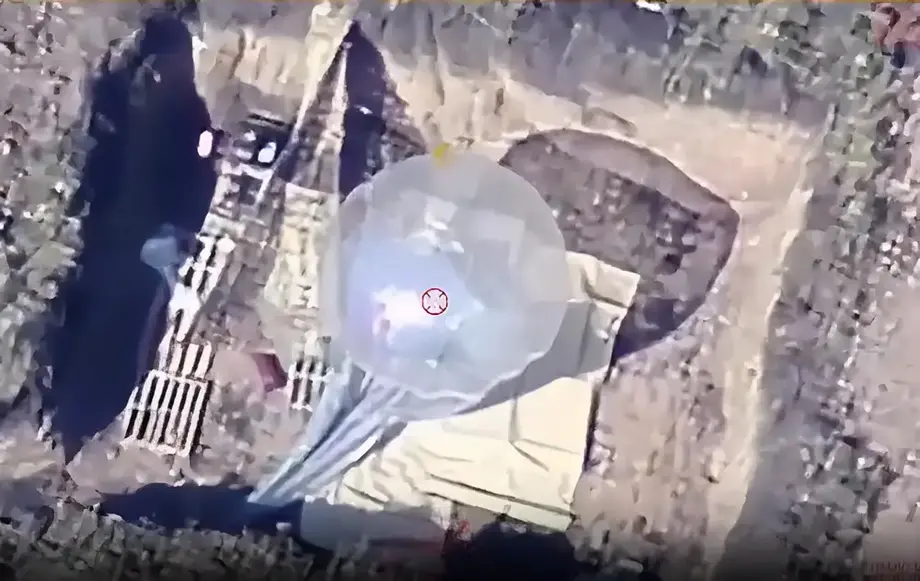
In 2016, the first reports appeared that the Ministry of Defense of the Russian Federation intends to use aerostats for military purposes and adopted the concept of development of aeronautical technology until 2025.
In 2017, an aerostat with a communication complex was created on the basis of the Peresvet multi-purpose aerostat developed by the Dolgoprudny Design Bureau of Automation (part of Roselectronica). It was expected that the military would use it as repeaters for transmitting large amounts of information. The device with a volume of almost 3 thousand cubic meters could lift a load of 300 kg to a height of up to 3.5 km. At the same time, it could work up to 15 days without recharging.
Read more on the topic:
Will cause complexes in the enemy: Russian military learned to deal with anti-aircraft ambushes
Russian military armed with "Drone Guns" to fight enemy drones
Caused a stir on the front line: Russian military deceived the enemy with the help of "Pavlina"
Now on home

Start of deliveries scheduled for 2027

Over 51,000 new motorcycles were sold in Russia in 2025

The car will take at least a year to assemble

The application's audience has reached 20 million users

The model will be included in the list of cars for taxis, price - from 2.25 million rubles

All parking lots of the "Administrator of the Moscow Parking Space" are connected to the service

The cars will be supplied to the Moscow Transport Service Directorate
Deliveries to India may begin in 2028
The technology provides automated search for all types of defects in power units
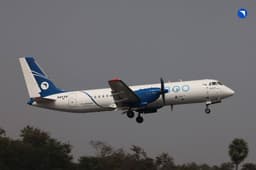
The plane flew 500 km, accelerating to 425 km/h

The plant stated that the information about the termination of purchases for models 6 and 8 is not true
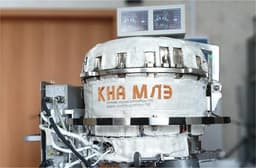
Scientists are using the "Ekran-M" installation