The Aerospace Forces (VKS) of Russia have begun to use Kh-101 cruise missiles with a double warhead, which contains a high-explosive fragmentation and cluster warhead. The advantages of the missile were revealed by military expert Yuri Knutov.
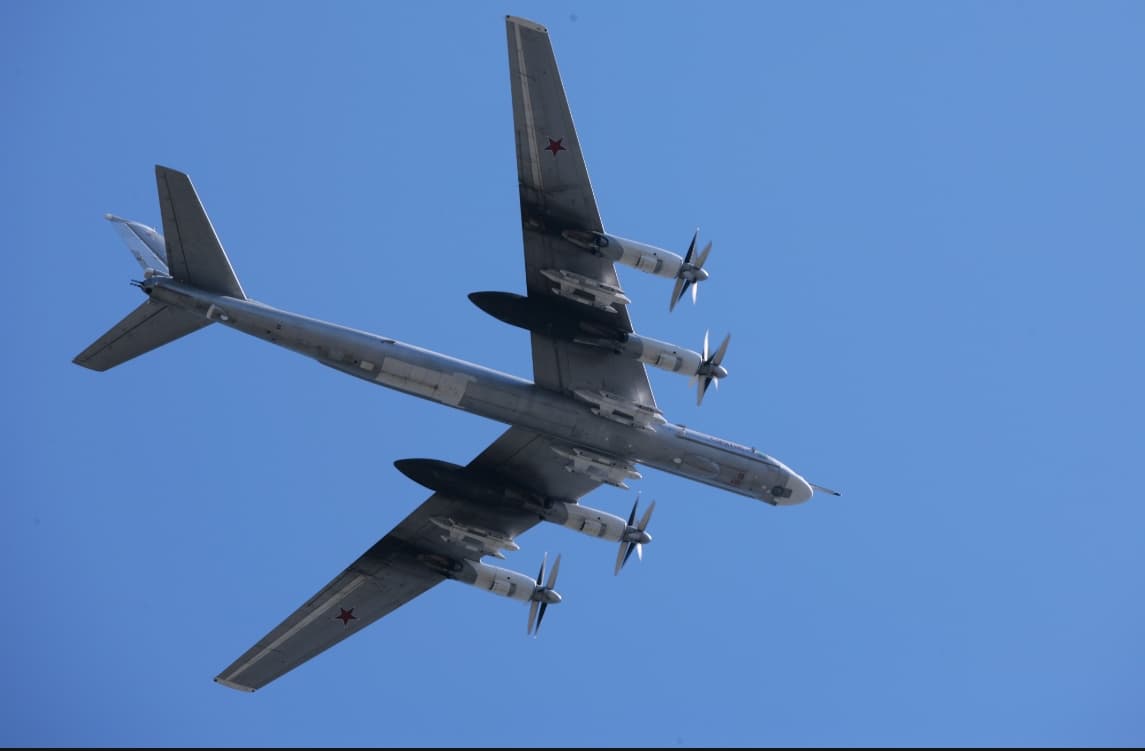
It is noted that in addition to the high-explosive fragmentation warhead, the modernized missile is equipped with a cluster warhead, which will increase the affected area of the missile. At the same time, the total weight of the warhead increased from 450 to 800 kilograms.
The absence of cluster warheads in Russian long-range cruise missiles, such as the Kh-101, reduced the effectiveness of strikes against airbases. Now, the appearance in the arsenal of the strategic aviation of the Russian Aerospace Forces of long-range cruise missiles with cluster warheads can greatly expand the list of effectively hit targets, including aviation and air defense systems in the deep rear of the enemy.
However, the increase in the warhead affected the range of the missile, which could initially fly up to 5.5 thousand kilometers. However, even a range of about 3 thousand kilometers is enough for aircraft to hit objects without entering the zone of operation of enemy air defense systems.
Military expert Alexei Leonkov added that Kh-101 missiles can only be shot down by anti-missiles with infrared homing heads. At the same time, the installation of heat traps almost completely eliminates this possibility.
Tactical and technical characteristics of the Kh-101 missile:
- Maximum range - 5.5 thousand km
- Maximum speed - 250-270 m/s
- Starting weight - 2240 - 2400 kg
- Length - 7.45 m
- Possibility of changing the target in flight
Earlierwww1.ru reported that Russian military personnel on the front line began touse the latest 2S43 "Malva" self-propelled artillery gun to destroy point targets and counter-battery combat. It is difficult to track on the battlefield due to its unique characteristics.
Read materials on the topic:
A quadcopter with a revolver-type VOG drop system was created in Russia