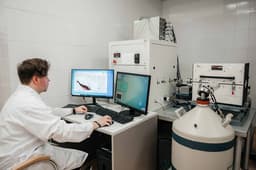
A neuropsychiatry laboratory will be created at the Siberian State Medical University (SSMU) in Tomsk this year. It will create new methods for treating patients with neurotic diseases, including post-traumatic stress disorder (PTSD). This was reported in the press service of the university.
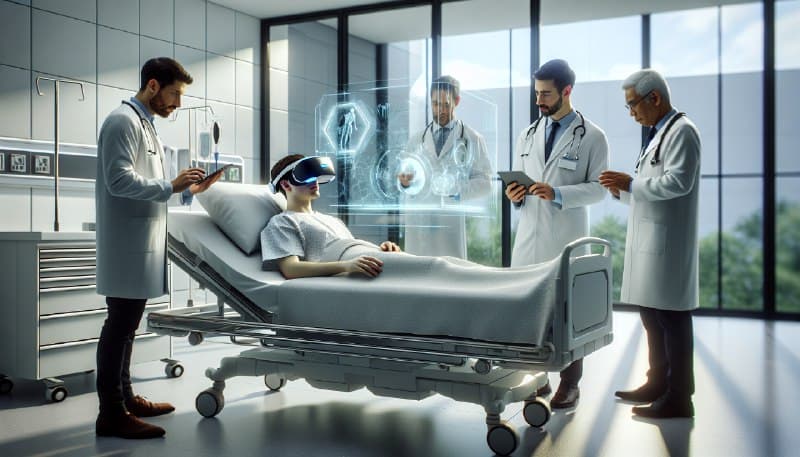
The press service of SSMU said that mental disorders can develop over the years against the background of stressful factors (loss of loved ones, conflicts, terrorist attacks). Most often, specialists deal with PTSD. A separate vulnerable category is combatants and their family members.
We are faced with the task of preventing a high burden on the healthcare system and modernizing the work of psychotherapeutic and psychological services with a projected increase in the number of patients with post-traumatic stress disorder.
The press service emphasized that high-tech tools, including virtual reality technologies, are planned to be used to treat patients.
The method of computer self-regulation, based on the universal principle of biological feedback, allows the patient to learn to feel their body, to gain the ability to differentiate their somatic sensations and emotional reactions.
The creation of the laboratory is taking place within the framework of the Priority 2030 program of the national project "Science and Universities". New therapeutic practices will be used in clinics of various profiles and research institutes in the future.
Earlier www1.ru reported that Russian military personnel with PTSD will be immersed in virtual reality.
Read materials on the topic:
Fighting depression and stress: Russian company Neiry has created headphones to improve mood
Patients with depression have learned to be identified using MRI
Now on home
Герой России Гарнаев: никто из профессионалов о возобновлении производства на КАЗ всерьёз не говорит
Система отслеживает спутники на высотах до 50 000 км и ведёт за ними наблюдение
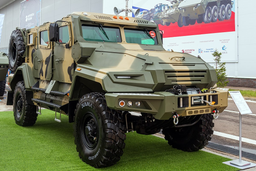
The armored vehicle is equipped with a KamAZ-740.35-400 diesel engine with a power of 400 hp.
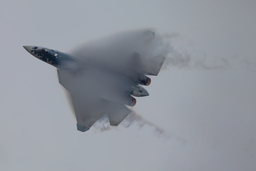
Constant improvements in avionics, weapons and tactical capabilities will make the aircraft a flexible response to future challenges

The exterior of the KamAZ-54901 features fairings on the cab and chassis for fuel economy
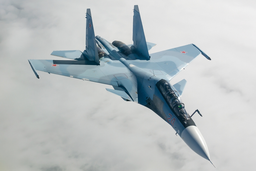
Fighters are in demand both domestically and abroad
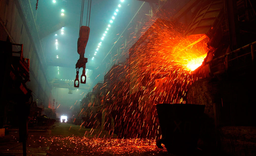
Tyazhpromexport and Venezuela Agree on Plant Revival
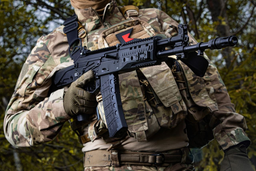
The company not only completed the state order, but also quickly mastered the production of AK-12K for special forces
Experts have developed a photogrammetric complex with a resolution of less than 1 cm