Vyatka State University (VyatSU) has developed bio-ink for printing food products on a 3D printer. This was announced by Sergey Litvinets, Vice-Rector for Science and Innovation of the university.
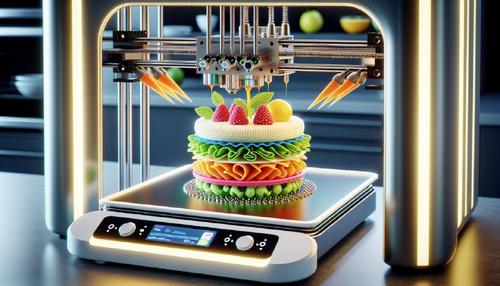
The new material contains whole plant cells. This made it possible to create a structure as close as possible to natural products.
The level of 3D printing technology for food does not yet allow close imitation of the complex actual texture of plant tissue - one of the most important factors affecting taste perception, the satiating effect, and people's preferences in food choices.
The development of bio-ink will make it possible to create products for healthy lifestyle enthusiasts, vegetarians, and patients with swallowing difficulties. By including such products in the diet, it is possible to control the level of sugar, protein, beneficial vitamins and minerals. Scientists plan to improve the taste and texture of 3D food in the future.
Earlier, www1.ru reported that Russian scientists created a wine that protects the kidneys from X-ray radiation.
Read materials on the topic:
In Russia, scientists have improved the sorbent for cleaning water from heavy metals
Never miss our newsAdd this site to your preferred sources to see us more oftenAdd on Google