The first Games of the Future in the world, an international multi-sport tournament, the format of which was invented by Russia, have closed in Kazan.
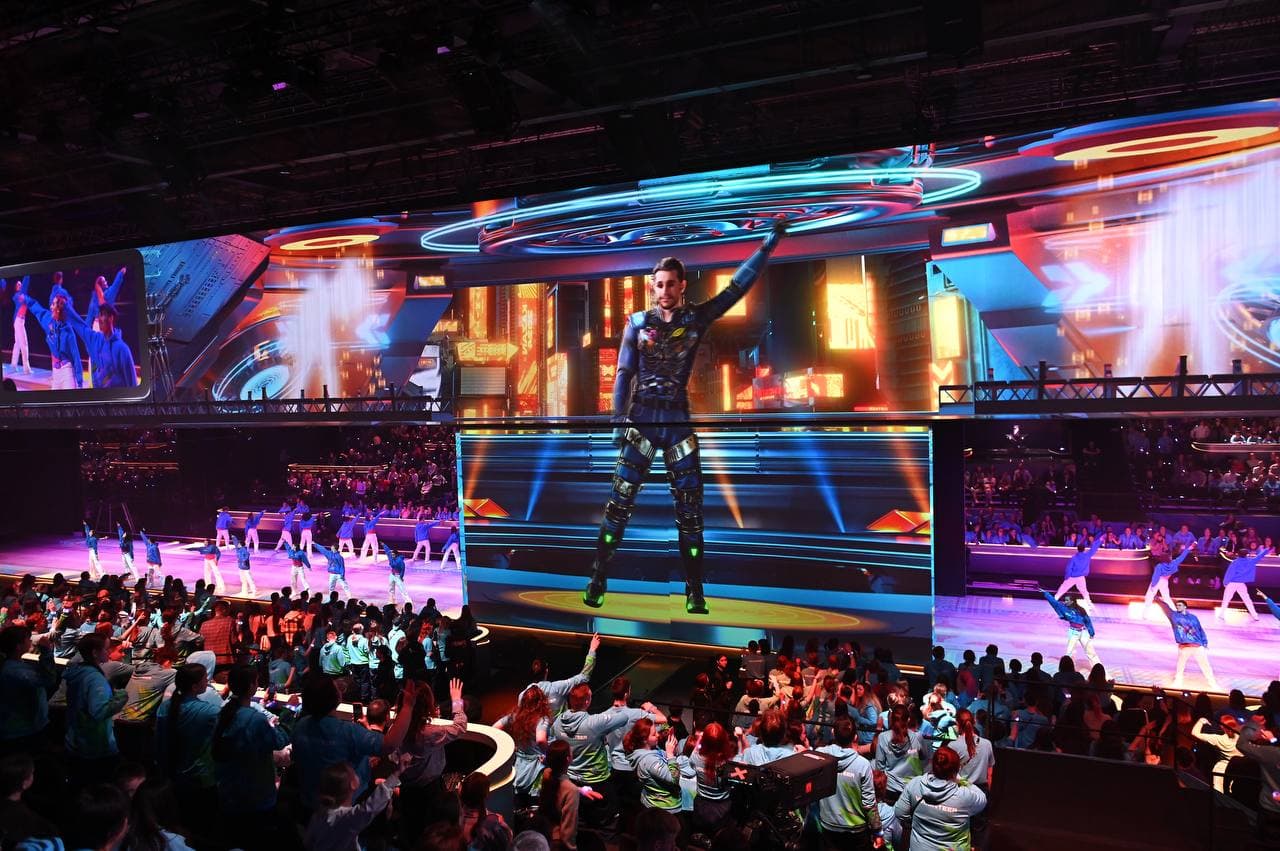
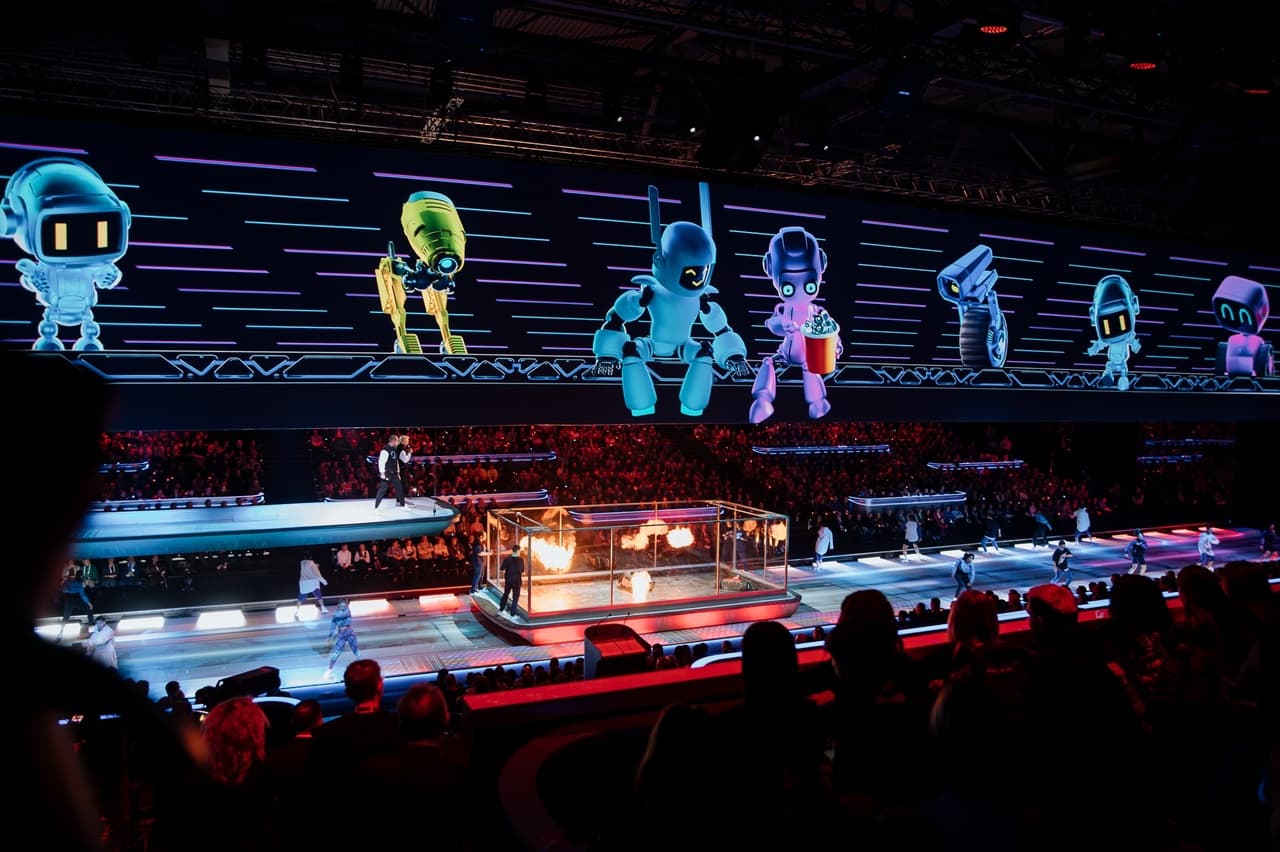
For two weeks at the Olympic venues of the 2013 Universiade and the 2014 Sochi Olympics, hundreds of athletes competed at the intersection of 21 professional sports and global digital disciplines in the digital-physical concept. The sporting event ended with a digital-physical concert featuring both live and digital artists.
«Perviy Technicheskiy» has gathered five facts about an event that has the potential to change both the world of traditional sports and the world of digital sports.
From Twelve and Up, Without Borders
The Games of the Future is a project where the age of the participant is practically irrelevant; what matters are the skills that the person possesses. The age of the Games participants ranges from 12 to 62 years. Unlike the Olympic Games, where there is a strict age limit for athletes.

In total, more than 2,000 participants from 107 countries around the world came to Kazan, forming 294 teams. Following the two-week competition, the strongest athletes were from Russia, China, India, Kazakhstan, Belarus, Spain, South Korea, the Philippines, Uruguay, Ecuador, Argentina, and Colombia.
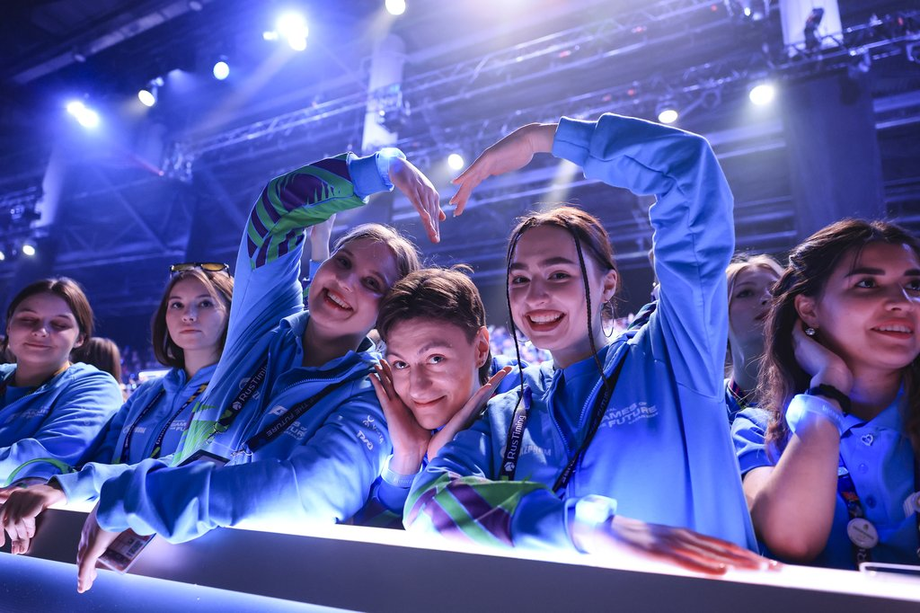
There were no age or geographical restrictions for the project's volunteers either. These included 820 people from regions of the Russian Federation, 1,042 from Kazan and the Republic of Tatarstan, 97 corporate volunteers, and 41 foreign volunteers from 20 countries. In total, more than 6,000 people applied.
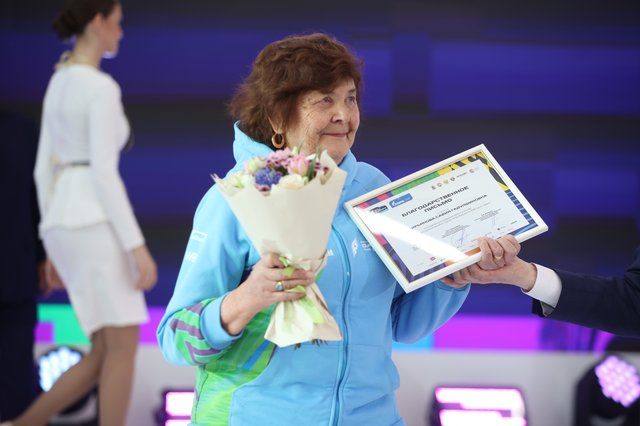
Volunteers of the Games of the Future met guests and participants of the tournament at airports and train stations, assisted them in the arenas, accompanied athletes in hotels and on excursions, translated interviews and briefings for the media, monitored transportation, and performed a number of other tasks. The youngest volunteer was only 15 years old, and the oldest was 83 years old.
In addition, participants with disabilities also attended the Games. They underwent trials, in particular, as cybathletes. Cybathletics is a new field that tests how para-athletes use their technical rehabilitation equipment.
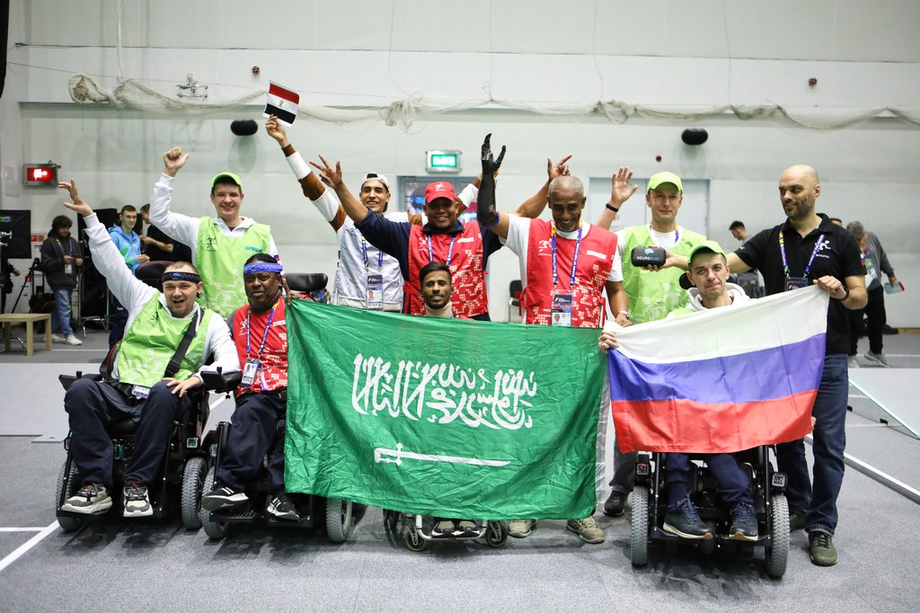
The cybathletes' task consists of two parts: overcoming obstacles and turning on a green light on the scoreboard from the team captain's neuro-headset, which captures brain signals.
At the Games, countries that fielded participants in cybathletics competitions signed an agreement of intent to create an international cybathletics league. The document was signed by representatives from Russia, Vietnam, Egypt, India, Indonesia, Iran, Malaysia, Nigeria, Saudi Arabia, and South Africa.
Trend Towards Technology
This includes disciplines related to robotics and unmanned systems, but it's not just about them. For example, the «Technology» challenge for the competition participants included a battle of robots, drone races, and sports programming. The unofficial symbol of the Games on the Internet, however, became... a robot dog, which was discussed online almost more than their mascot, the firebird MIRA.
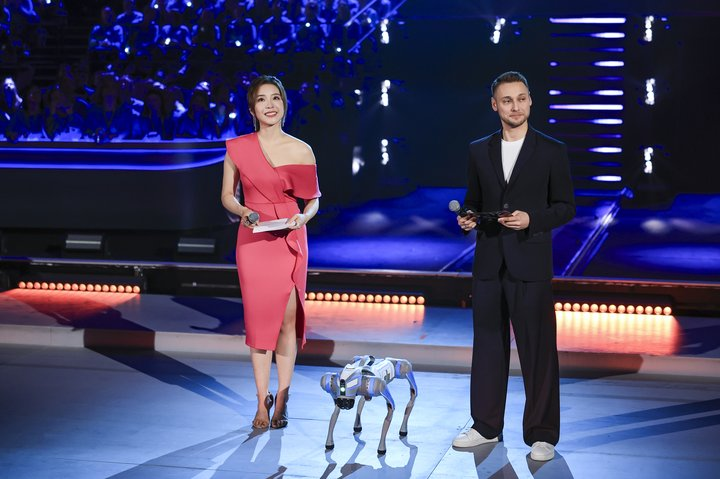
He and his relatives danced at the opening ceremony of the Games, where President Vladimir Putin and a number of heads of other states were present. The robot suddenly turned off, got tired, which generated many memes and discussions on the Internet. He was given the opportunity to show himself again: at the closing ceremony, the symbol of technological progress as a friend of man danced to Klava Koka after much request.
Trophy from Space and «Digital Loaf»
The trophy of the Games of the Future has been in space — not every world competition can boast of this. From the pavilion at VDNH in mid-November before the Games, it set off on its way to Baikonur in a bright «digital loaf» from Sollers as part of a motor rally.
The motorcade traveled a total of 6,750 km in twenty days and visited nine cities in Russia, including Kazan. In each city, ambassadors of the Games — famous bloggers or esports athletes — held autograph sessions and conducted streams for millions of viewers.
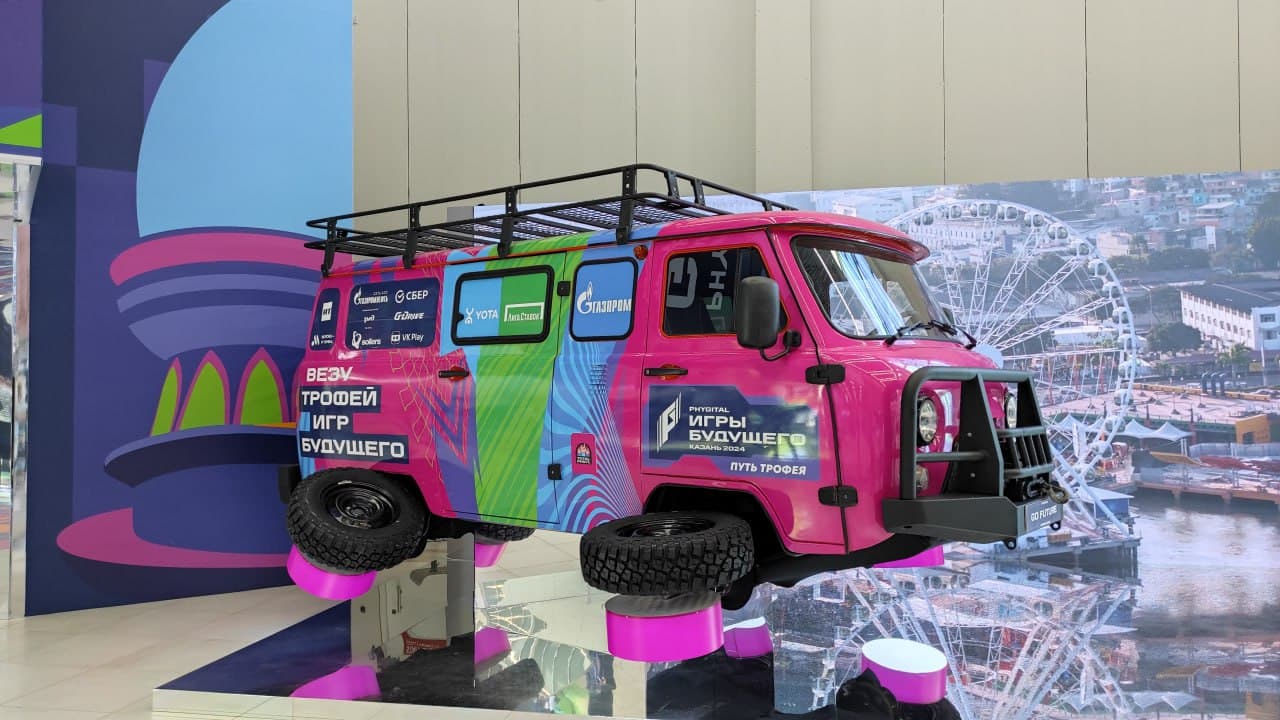
On December 1, 2023, the «Progress MS-25» was launched from the cosmodrome with the trophy on board. It spent more than two months on the ISS, after which it returned to Earth to participate in the opening ceremony of the Games on February 21.
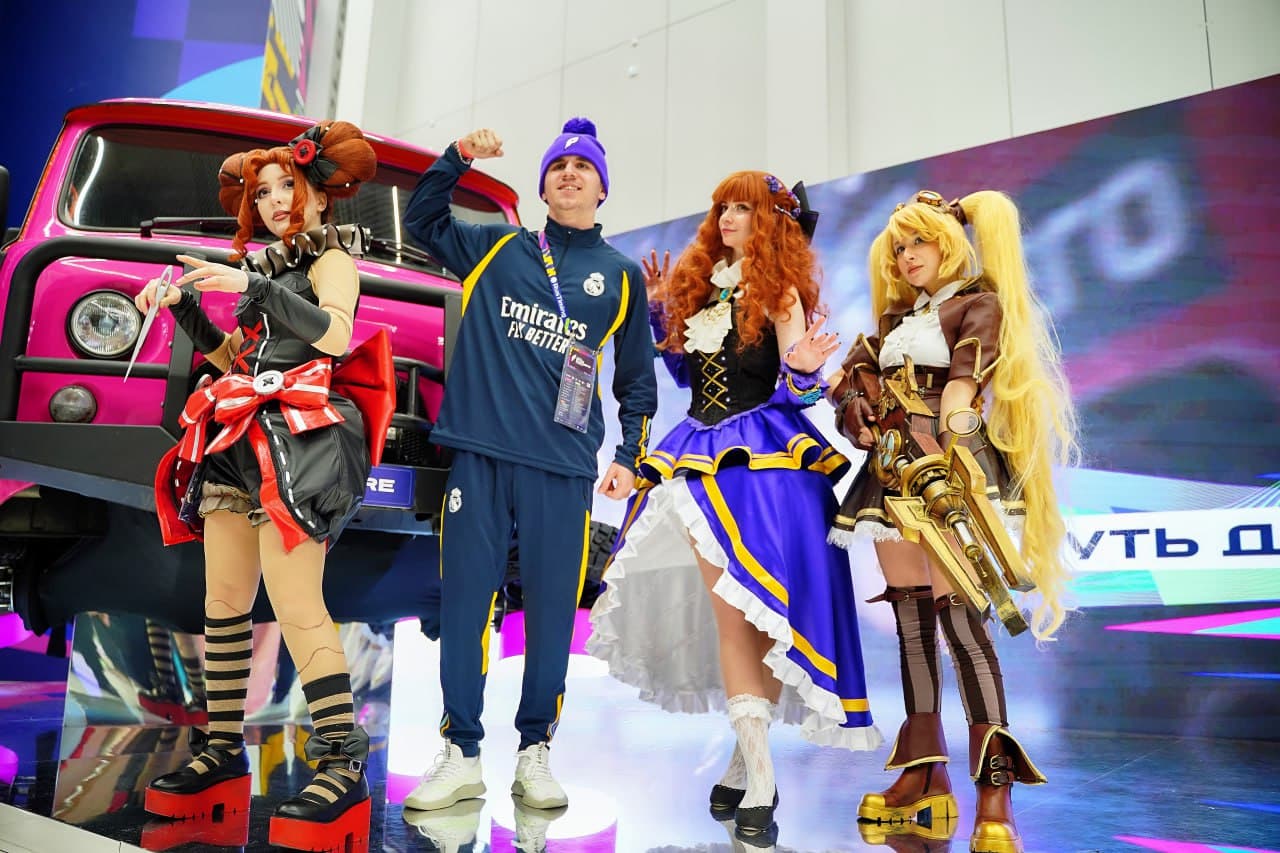
During the Games, the «digital loaf» became part of the exposition in the City of the Future Games. Guests willingly took pictures with it, as well as with cosplayers.
Billion-Dollar Audience
The digital-physical competitions aroused great interest all over the world. More than a hundred countries around the world watched the Games, and these are not only those who sent their teams to participate, and not only more than 300 thousand spectators who attended the tournaments live.
The day before the end of the Games, it became known that the number of views exceeded 2.3 billion. At the same time, it was noted that the competitions exceeded expectations in all 12 parameters, including audience interest. It is expected that the number of views will exceed 3 billion. This number of viewers is comparable to the FIFA World Cup or the Olympic Games.
Sport Without Politics
As stated, the Games were outside of politics. The most diverse digital-physical athletes applied to the Games tournaments, including representatives of unfriendly countries that impose sanctions against Russia. At the same time, the Russian side did not settle scores with the athletes and diminish their rights. They were all received equally and participated in the competitions on an equal footing.
Friendliness and order will now have to be maintained by the new hosts of the Games: it is already known that in 2025 they will be held outside of Russia.
The cities of Kazakhstan and Uzbekistan may become the new capital of the Games; the heads of these republics have already expressed their desire to host the competitions. However, the final decision on the venue for the next Games will be made by the International Digital-Physical Sports Federation from Hong Kong.
Now on home

The service contains data on 45,000 fraudulent sites

The state has accelerated the introduction of unmanned solutions, integrating them into the real sector of the economy

Modernized engines may equip the Lada Azimut crossover

The price is 132 billion 265.8 million rubles

The manufacturer plans to strengthen its lineup of light commercial vehicles

The production of carbon fiber was organized in the shortest possible time

Electric vans will speed up the repair of urban transport infrastructure
Countries are working to synchronize regulations in the field of AI

The service's average daily audience is 55 million people

Stable Isomaterial Based on Metakaolin Has a Density Below 300 kg/m³

Re-identification quality improved twofold with new DynaMix method

Russians will be able to find out about debts online
Articles
-
National Project UAS: How Russia Created Its Own Drone Market
14 Jan 2026
-
No Spare Airfield: Sanctions and Aging Aircraft Fleet May Lead to Crisis
13 Jan 2026
-
ODK Engines Powered 13 Successful Soyuz Launches in 2025
13 Jan 2026
-
Why Russian Authorities Changed Their Mind About Introducing GOST for Video Games: Reasons Given
12 Jan 2026