Developers of Russian Aurus cars from FSUE "NAMI" are working together with the Chechen company "Chaborz" on a new model of a highly mobile special vehicle, a buggy. The first sample of the new model of the Chechen all-terrain vehicle is planned to be presented at the International Exhibition and Forum "Russia", which runs until July 8.
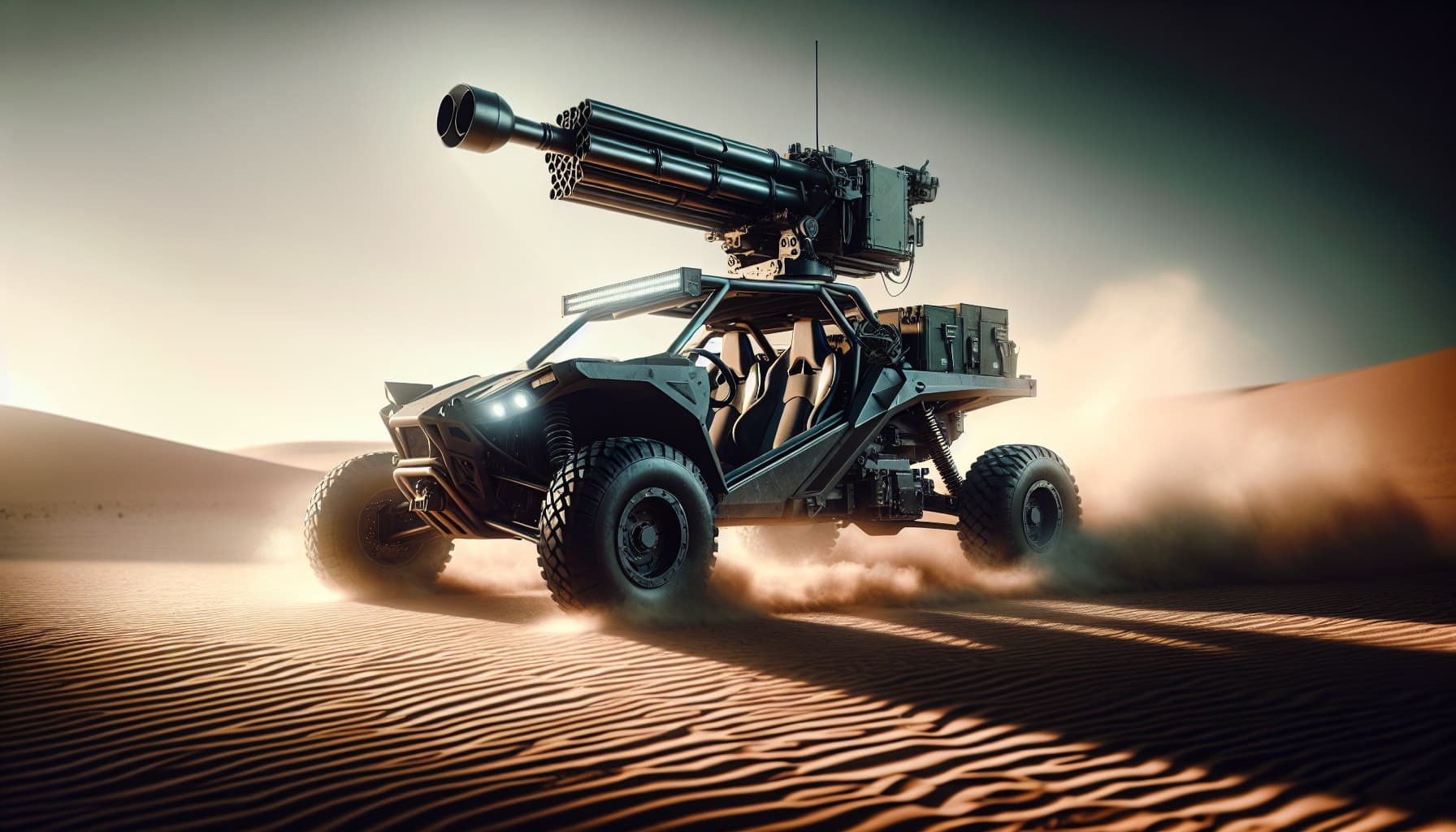
This was reported to IA "TASS" by the Minister of Industry and Energy of Chechnya, Adam Khakimov. According to him, "Chaborz" won a grant for research and development work in the amount of 150 million rubles. This was the first such competition for republican specialists.
It is expected that the buggy will "primarily" be designed for the needs of the Russian military. It will be able to evacuate the wounded from the combat zone and deliver weapons.
As an option for arming the buggy, a mobile 120-mm mortar is being proposed for the first time, the deployment and dismantling of which is carried out using a special electromechanical drive. This reduces the mortar crew to three people, ensures mobility with the crew and operational ammunition.
It is known that the first model of the Chechen buggy "Chaborz-M3" began to be produced in 2016, and was presented in 2017. The all-terrain vehicle is designed to transport personnel and cargo in difficult terrain and off-road conditions.

The design was developed by "F-Motorsport" near Moscow and the Gudermes International Training Center for Special Forces. The three-seater version can carry about two hundred and fifty kilograms of payload, a PKM 7.62 machine gun with ammunition, an AGS30 grenade launcher and a BTD smoke screen module.
Many parts, including the 1.6-liter engine, of this almost 400-kilogram structure came from VAZ. The first copies were assembled in Chechnya according to the SKD (large-unit assembly) scheme. After that, a transition to small-unit assembly was announced with independent welding of the spatial frame and manufacturing of some suspension elements.
"Chaborz-M3", however, is not the only major development of Chechen manufacturers in terms of transport for the military in recent times. By order of the leadership of the republic, in 2023, "Chechenavto" created a light maneuverable armored vehicle – the "Jihad-machine".
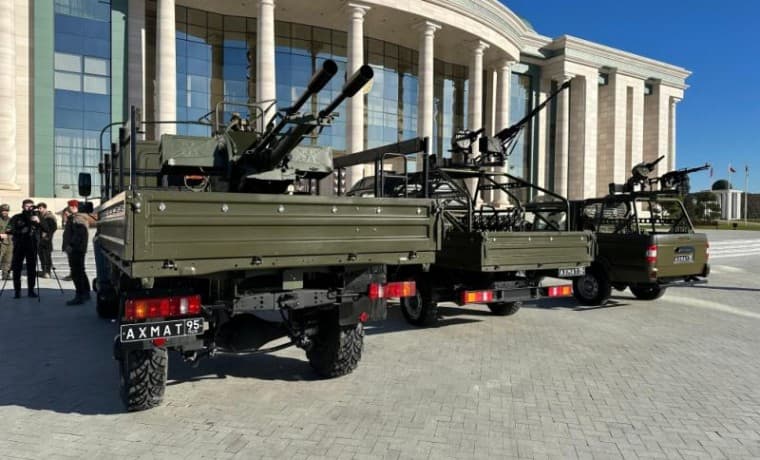
These vehicles, based on the chassis of the UAZ "Patriot", GAZ "Sobol" and GAZ "Sadko", are designed for transporting and providing fire support to infantry. They are equipped with large-caliber machine guns, grenade launchers and other weapons.
In December 2023, the developments were shown to the head of Chechnya, Ramzan Kadyrov, and they were approved.
Then the Minister of Industry and Energy of the republic, Adam Khakimov, said that the serial launch of the "Jihad-machine" could be seen in 2024.
We already have a contract with the National Guard. The budget with the Ministry of Industry and Trade for the first quarter of 2024 in the amount of 2 billion rubles for the purchase of this equipment has been approved.
The Moscow State Technical University named after N.E. Bauman, the Russian University of Special Forces and "NOT" helped to develop these armored vehicles.
Read materials on the topic:
Fire immediately after detection – Russia has a "Ronin" against snipers and saboteurs
Mine search and map for sappers: Chechen engineers are developing drones for demining territories
Now on home

Герой России Гарнаев: никто из профессионалов о возобновлении производства на КАЗ всерьёз не говорит
Система отслеживает спутники на высотах до 50 000 км и ведёт за ними наблюдение


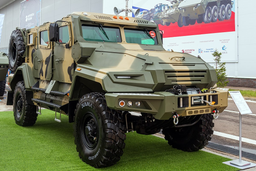
The armored vehicle is equipped with a KamAZ-740.35-400 diesel engine with a power of 400 hp.
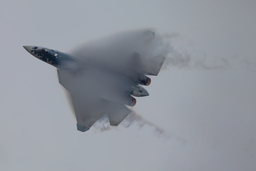
Constant improvements in avionics, weapons and tactical capabilities will make the aircraft a flexible response to future challenges

The exterior of the KamAZ-54901 features fairings on the cab and chassis for fuel economy
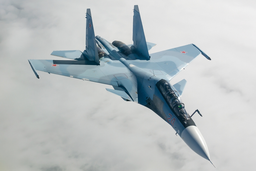
Fighters are in demand both domestically and abroad
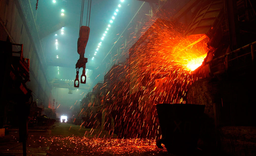
Tyazhpromexport and Venezuela Agree on Plant Revival
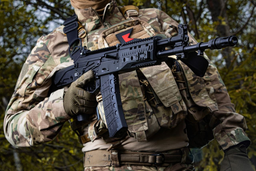
The company not only completed the state order, but also quickly mastered the production of AK-12K for special forces
Experts have developed a photogrammetric complex with a resolution of less than 1 cm