The "Generative Design of Enzymes and Aptamers" laboratory has opened in St. Petersburg at ITMO University, where digital tools for molecular machines are being developed based on AI methods.
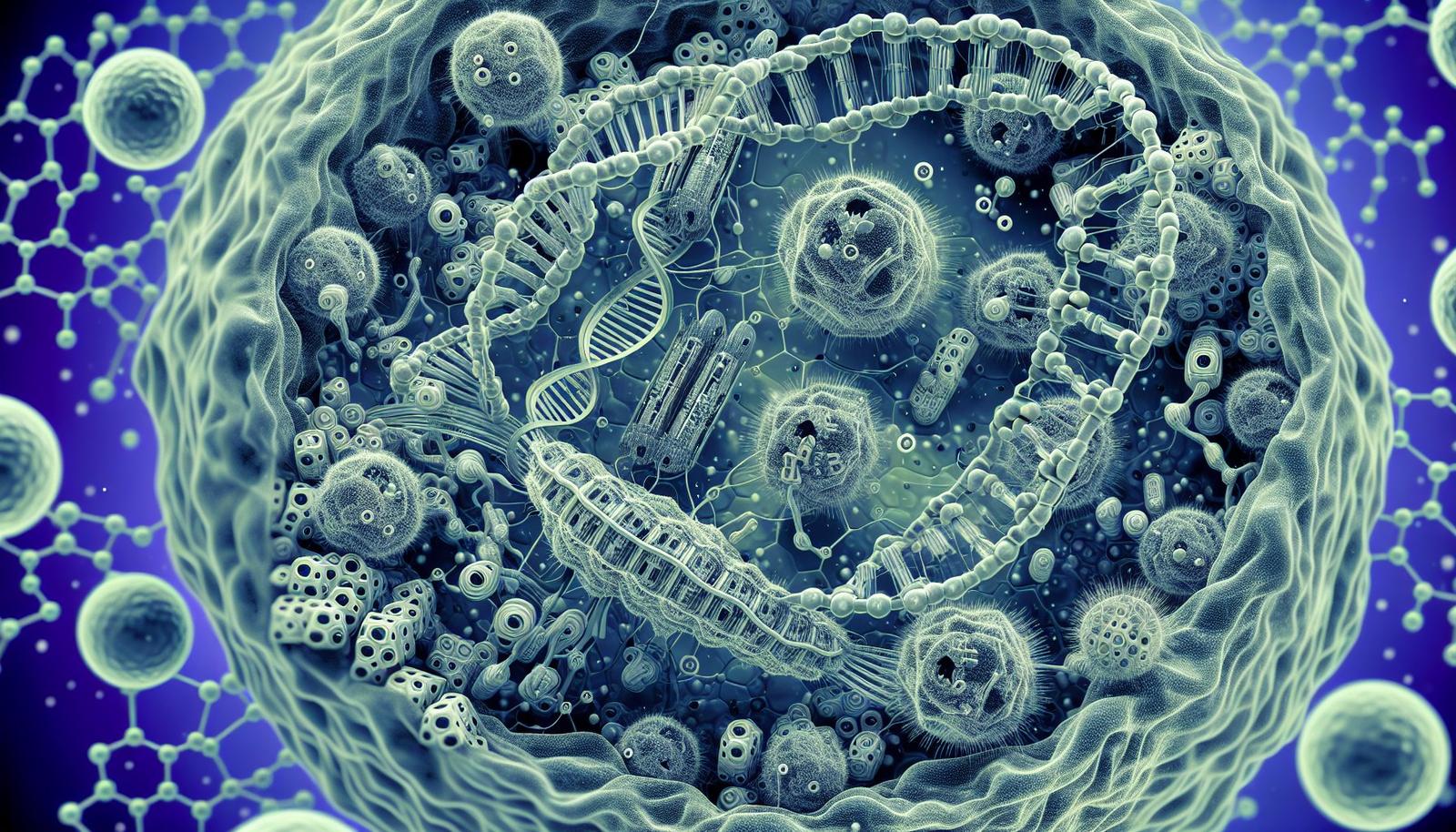
As the university's press service explained to TASS, molecular machines are biological structures that are able to quickly and accurately perform important tasks inside human body cells. For example, they help synthesize DNA molecules, generate energy, and implement muscle contractions.
There is no single theory in the scientific world on the directed development of these biological structures, but scientists from different countries are working in this direction. This will help edit the genome, regulate cell metabolism, and perform delicate manipulations with molecules.
At ITMO, molecular machines will be designed as nanodevices that can accelerate chemical reactions, selectively bind molecules, and act as bioprocessors.
The laboratory will develop a number of tools for them based on AI, data science and computational methods that will allow creating molecular machines for applied tasks.
In addition, scientists plan to:
- launch the "Lego of Molecular Machines" system - this is "the search and creation of individual and independent functional modules, and ways to assemble them into turnkey molecular machines with pre-programmed behavior";
- create the "Turnkey Enzyme" direction - there, existing natural molecular machines will be rebuilt for specific tasks in medicine and biotechnology. This will allow regulating cell metabolism and detecting disease markers in complex biological fluids - this is important when testing at the point of care;
- form a recommendation system-modifier of small RNAs for more effective "turning off" of genes in the treatment of diseases.
ITMO believes that the research results will help in the development of drugs for personalized medicine and POC systems - mobile devices for laboratory diagnostics of diseases.
Never miss our newsAdd this site to your preferred sources to see us more oftenAdd on Google

















