The Russian scientific expedition, sent into the Arctic ice by the Arctic and Antarctic Research Institute in September 2022, will remain in the Arctic for a bit longer. It will only return home in the spring of 2024. This is due to the drift trajectory of the ice floe to which the unique expedition vessel is moored: the world's first and only ice-resistant self-propelled platform, "North Pole". Its uniqueness lies in its ability to conduct year-round scientific observations in the high latitudes of the Arctic Ocean.
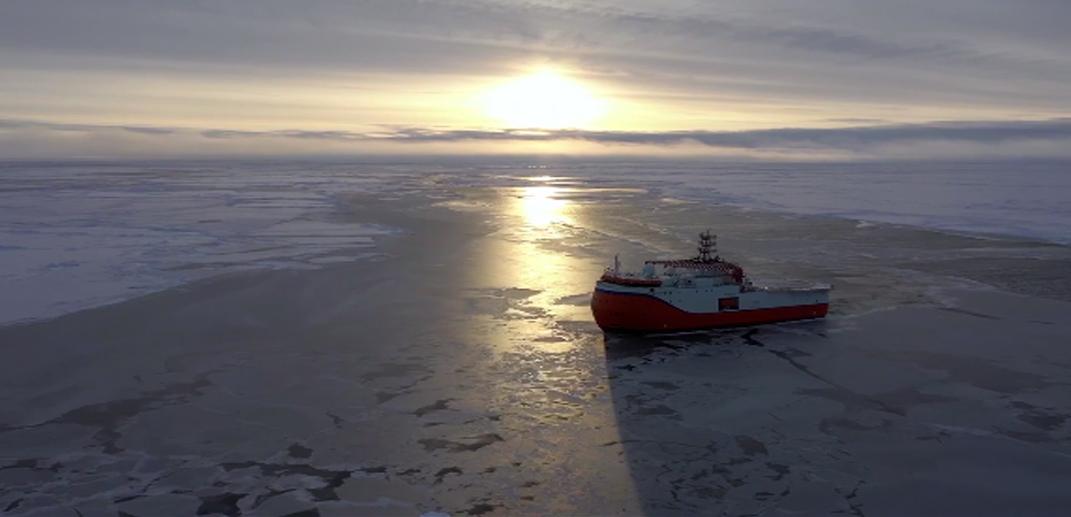
During this time, the LSP has covered more than 2,150 nautical miles, shifting more than 700 nautical miles from its starting point. In land terms, the platform has covered 3981.8 kilometers and moved more than 1296.4 kilometers away from its starting point.
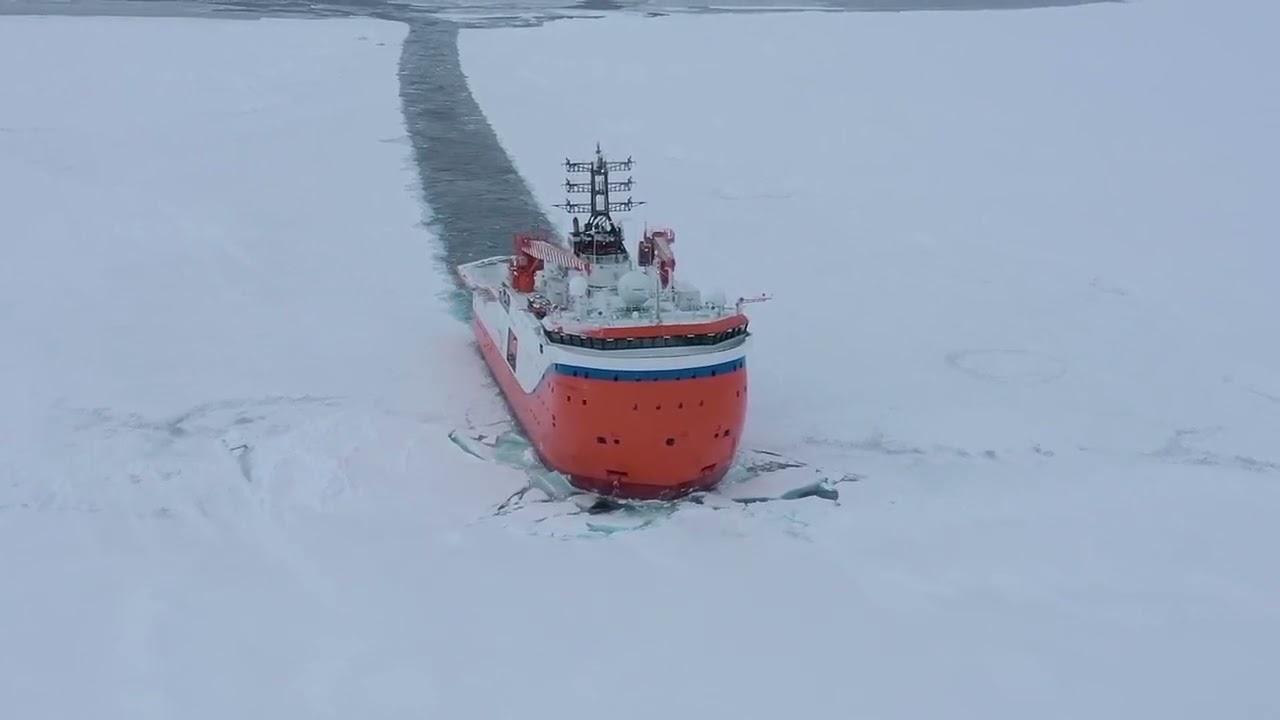
The "North Pole" LSP has dimensions of 83.1 meters in length and 22.5 meters in width. The LSP has a displacement of 10,000 tons and a "heart" with a capacity of 4200 kW, it can travel at a speed of 10 knots, that is, 18.52 kilometers per hour.
On board, there is everything necessary for autonomous accommodation, observation, and scientific research: from a medical unit with the ability to perform simple operations if necessary, to a gym and a cinema. There are 14 crew members and 34 scientific expedition staff working there.
The platform is a product of USC structures: it was developed within the framework of project 00903 by specialists from the Vympel Design Bureau, and built by shipbuilders from the Admiralty Shipyards. The contract for the design and construction of the ice-resistant platform was signed by Roshydromet and the Admiralty Shipyards in 2018, and all necessary tests were completed by August 2022. Already in September of the same year, the vessel set off on the "North Pole-41" expedition, where it has been for more than fourteen months.
Never miss our newsAdd this site to your preferred sources to see us more oftenAdd on Google

















