Translated with AI from the Russian original.
The interest of Russians in electric vehicles is gradually growing, but has not yet reached its peak. However, over time, electric vehicles will become a necessity for city dwellers. This was stated byAndrey Gurlenov, Executive Director of Sitronics Electro, in an exclusive interview forwww1.ru, which took place as part of a lecture organized by the Ministry of Industry and Trade of the Russian Federation at VDNKh on the development of electric vehicles in Russia.
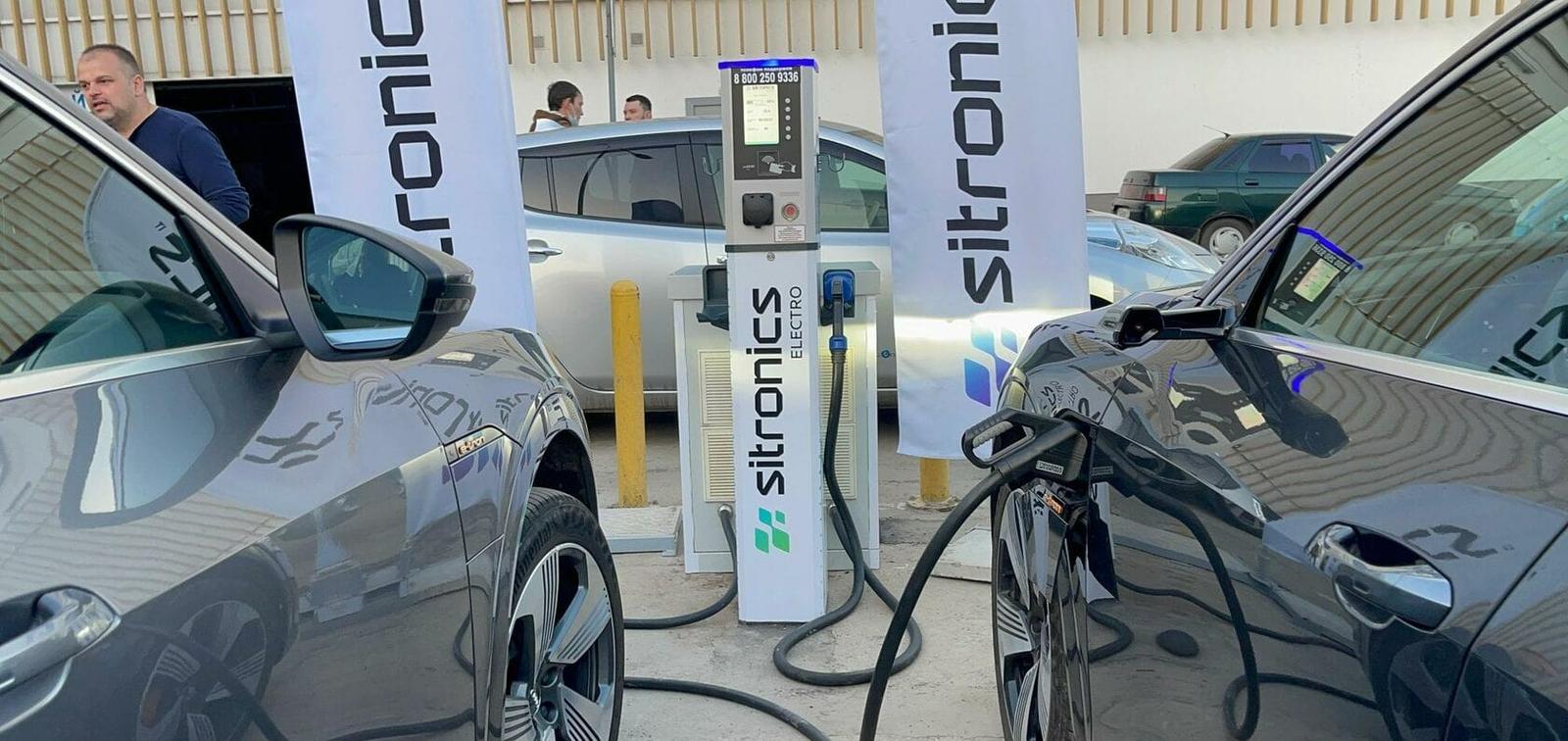
Russians have become interested in electric vehicles, when do you think it will reach its peak? And what does it depend on?
A.G: This industry began its development relatively recently, so the peak is still far away, if there is such a concept at all. It is difficult to say that there was ever a peak of interest in ordinary cars, they simply became more of a necessity for a city dweller over time. Most likely, the same thing will happen with electric vehicles - over time, they will cease to be a curiosity and will become another type of transport that will be chosen based on characteristics, appearance, brand, including the type of engine: diesel, gasoline, gas or electric. How soon this moment will come depends on the development of infrastructure, among other things. By this time, I think 80-90% of gas stations will become universal, and charging stations for electric vehicles will be installed on them.
Which cars will be popular in Russia - BEV, PHEV or HEV?
A.G: I believe that the most popular will be BEV (battery electric vehicle), that is, classic electric vehicles. This is the only way to get the full emotions of driving and owning an electric vehicle and really save on operating costs and charging with electricity. It is important to note that the Russian government is actively supporting the development of BEV electric vehicles.
At the same time, in China, for example, the EREV (Extender Range EV) segment is developing. In fact, this is already an "electric car", since traction is carried out exclusively by electric motors, but at the same time, an internal combustion engine is still used to charge the battery, which does not significantly reduce operating costs due to the ICE requiring regular maintenance. Fuel costs are also added here. But such cars are still of interest to drivers as a smoother transition from ICE to electric.
HEV (hybrid electric vehicle) has never been popular and will soon disappear. This is already an old, meaningless and unpromising technology.
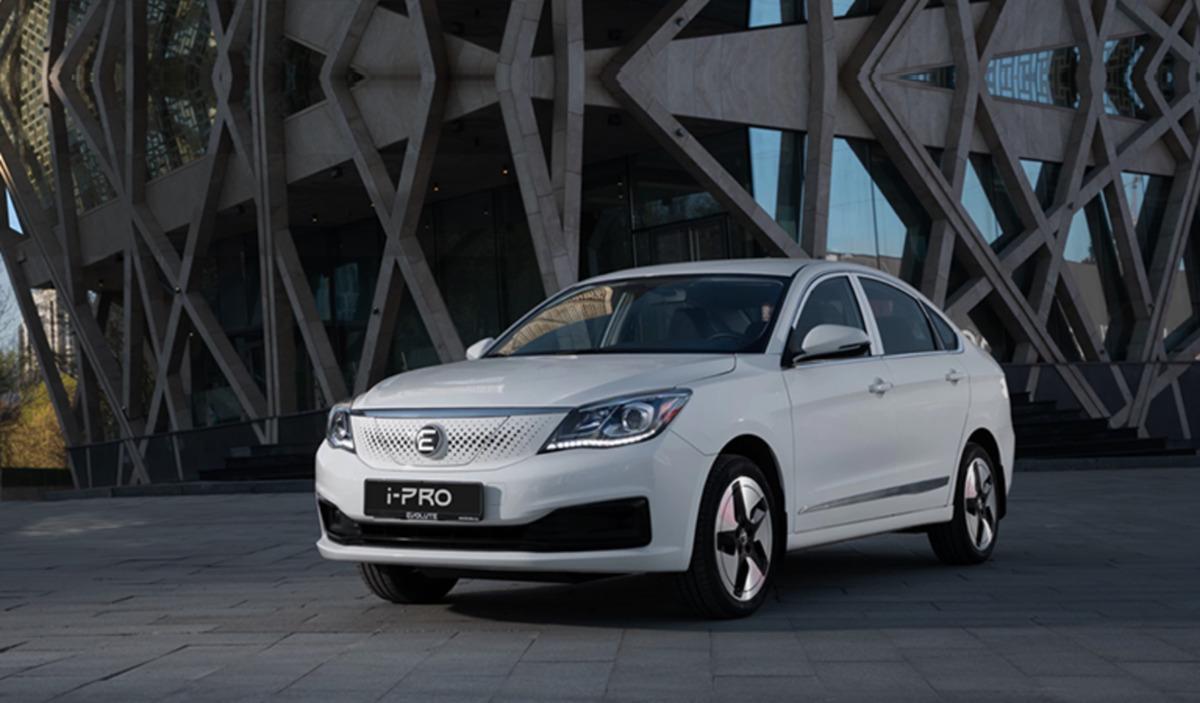
How have sanctions affected the production of electric vehicles in Russia?
A.G: Globally - not at all. Active production of electric vehicles in Russia began after the departure of Western brands from the market and other restrictions associated with this. Therefore, this process was initially adjusted and worked out with companies and partners with whom interaction promises to be stable.
Is it possible to say that buying an electric vehicle is a tribute to fashion, and not the beginning of a sustainable trend for the coming years? Who buys electric vehicles?
A.G: Of course, this is a clear consistent development: first - enthusiasts, then - those interested, and finally just mass users, which means it is a sustainable trend. At the same time, the development of the direction rests on enthusiasts. We at Sitronics Electro often turn to the opinion of our active customers in order to develop the network in the right directions and install the stations that are most convenient for drivers. For example, over the past year, we have equipped some stations with a GB/T DC connector, since since the beginning of 2022 the number of Chinese electric vehicles in the market has been actively growing, and this connector is becoming more and more in demand. There are several charging stations that were installed specifically at the request of such users, and the traffic forecast was confirmed.

How will the problem of shortage of charging stations for electric vehicles be solved?
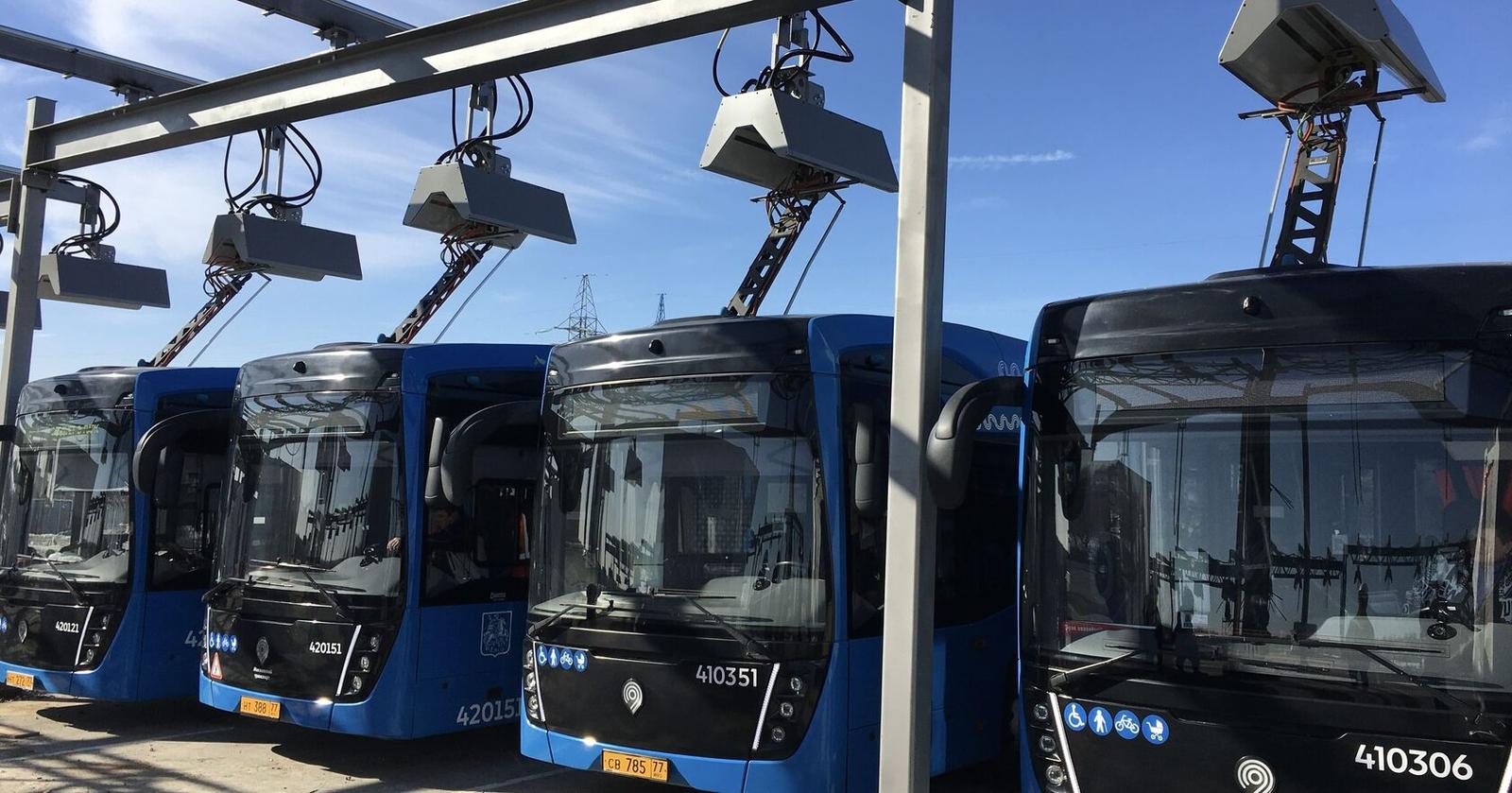
A.G: Today it is no longer possible to assert that such a problem exists in the market. At least, in large cities and on highways between them, drivers do not face such a problem. As for regions that have not yet been covered, the situation is being successfully resolved with the help of the state. Russia is actively implementing the Concept for the development of the production and use of electric transport for the period up to 2030, one of the goals of which is to install more than 28 thousand fast charging stations during this period.
To solve this ambitious task, the Government has been subsidizing the construction of stations in pilot regions for the second year. In 2024, implementation is planned in most regions of Russia, we hope that the subsidy program will continue to operate in 2025 and subsequent years on similar terms. In addition, for example, in April of this year, the Government agreed on additional measures to support the electric transport industry and create the necessary infrastructure for it. I am sure that we will see the results of this next year.
Read more on the topic:
They just don't know: expert Gurlenov dispelled the main myths about electric vehicles
Author: Yulia Shelkovenko
Never miss our newsAdd this site to your preferred sources to see us more oftenAdd on Google

















