Researchers from the Northern (Arctic) Federal University (NARFU, located in Arkhangelsk) have developed a new method for analyzing the operation of satellites in unstable space weather conditions. This refers to a set of phenomena occurring in space and affecting the Earth - solar flares, coronal mass ejections, galactic cosmic rays.
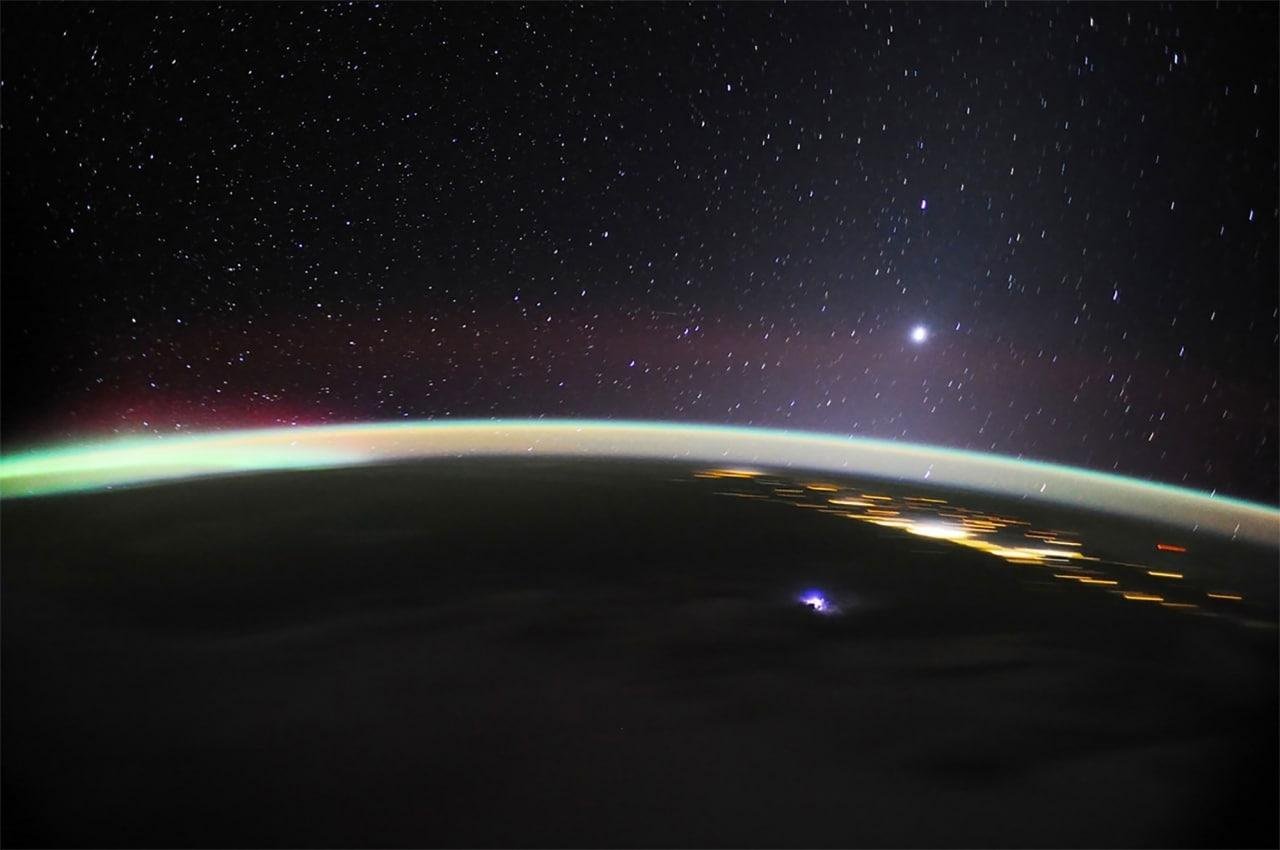
These phenomena are potentially dangerous and cause powerful magnetic storms. The effect of space weather is especially pronounced in the Arctic and Antarctic, above the South Atlantic Magnetic Anomaly. It is in these zones that most electronic failures are recorded.
According to NARFU specialists, the Arctic is considered the most dangerous zone for spacecraft. Here, the magnetic field lines of the Earth close, resulting in the accumulation of charged particles bombarding satellites.
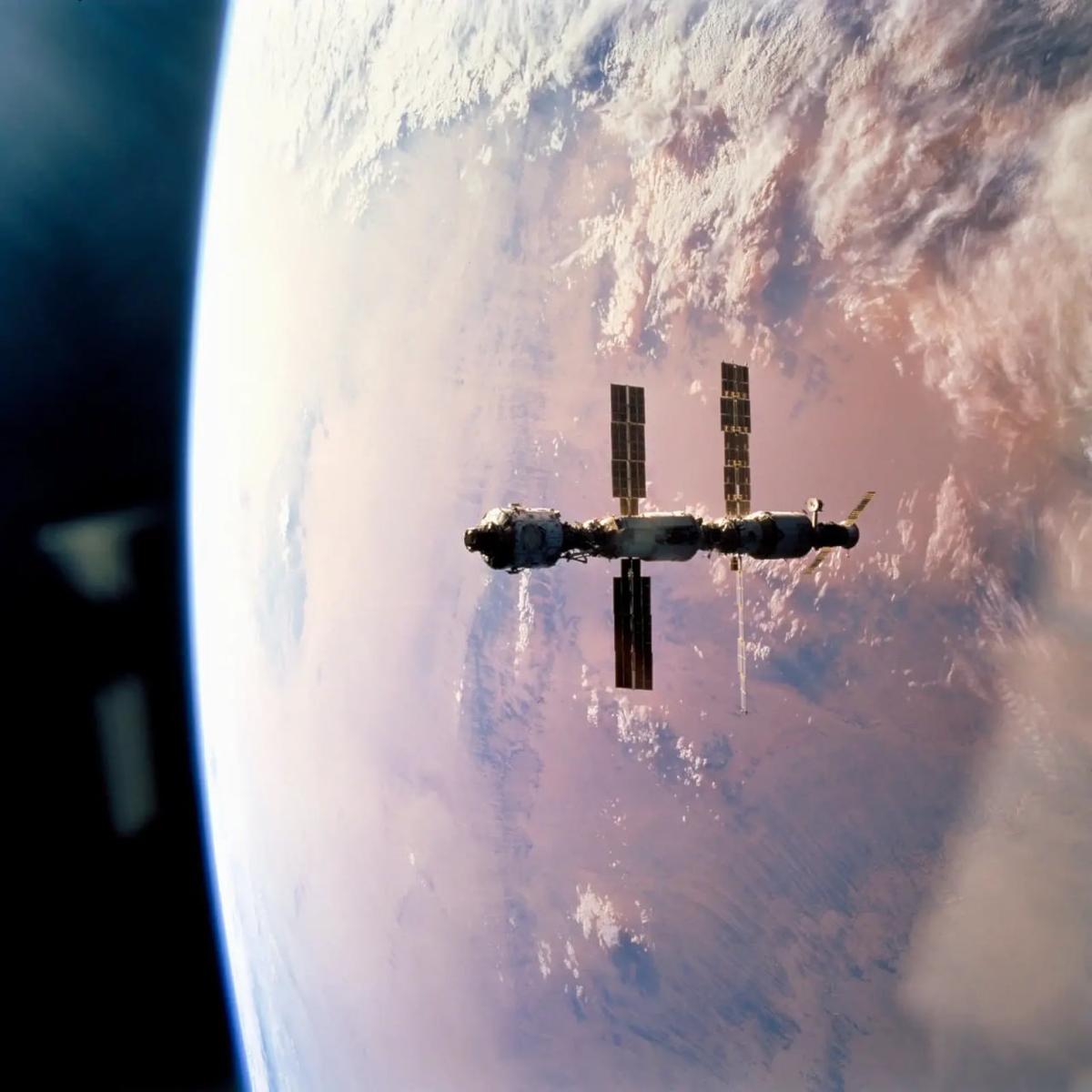
One of the authors of the study, Roman Aleshko, said that a prototype of a web application was developed that visualizes telemetry and space weather data, warning about negative factors for the operation of satellites. In addition, scientists have created a small spacecraft to collect data on weather in space. It is expected that the device will be launched from the Vostochny Cosmodrome in the near future.
In early November, one of the most powerful magnetic storms hit the Earth, which triggered the appearance of the Northern Lights in different parts of Russia.
Never miss our newsAdd this site to your preferred sources to see us more oftenAdd on Google

















