Geely has officially announced the second generation Coolray crossover in Russia. This car has been sold in China for more than a year, but now it's time for it to start conquering the domestic car market as well.
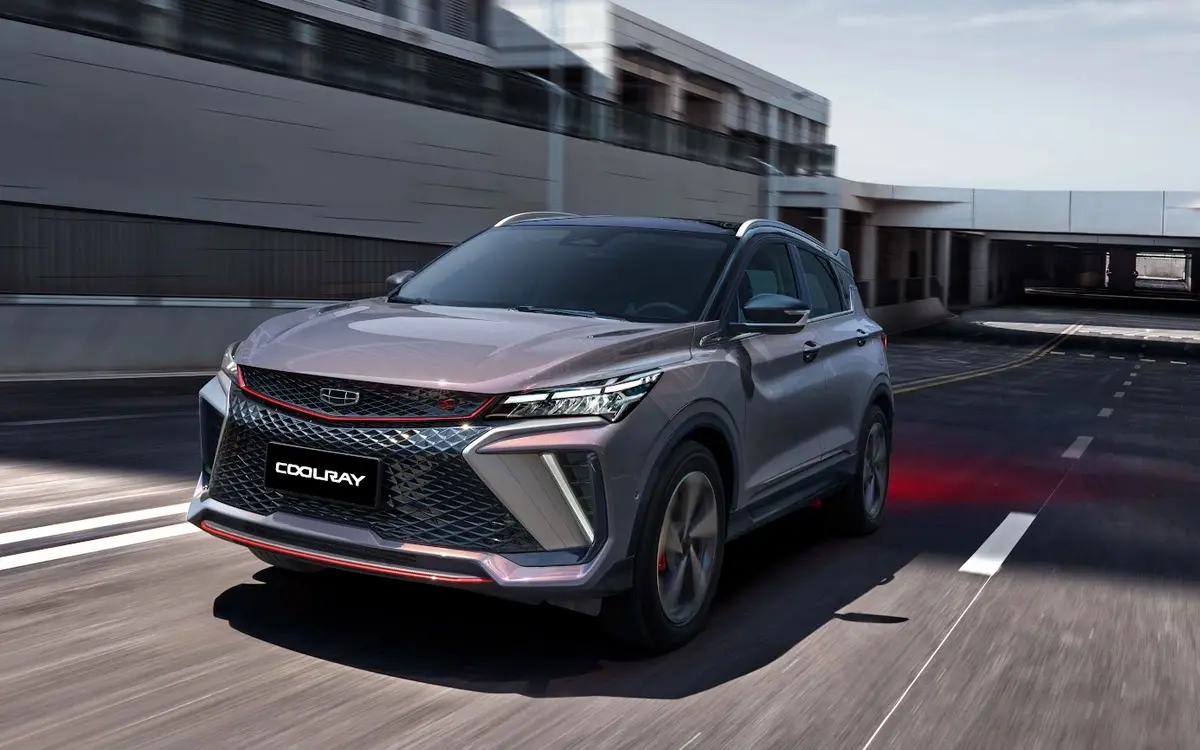
Despite the fact that the new Coolray looks like the first generation model, the front and rear parts (headlights and bumpers) of the second generation Coolray have been modified. As a result, the appearance has become more dynamic and modern.
The dimensions have changed, but mainly due to the new bumpers. The dimensions of the new Coolray are 4380 x 1810 x 1615 mm, the wheelbase is 2600 mm.
Russians will be able to choose from four trim levels: Comfort, Luxury, Flagship and Exclusive. Already in the base there will be heated steering wheel, washer nozzles, windshield and all seats, steering wheel adjustable both in height and reach, cruise control, light sensor, rear view camera and audio system with 6 speakers. In more expensive versions - rain sensor and parking sensors, all-round visibility system, adaptive cruise control, wireless charging for smartphone, 6 airbags, etc.
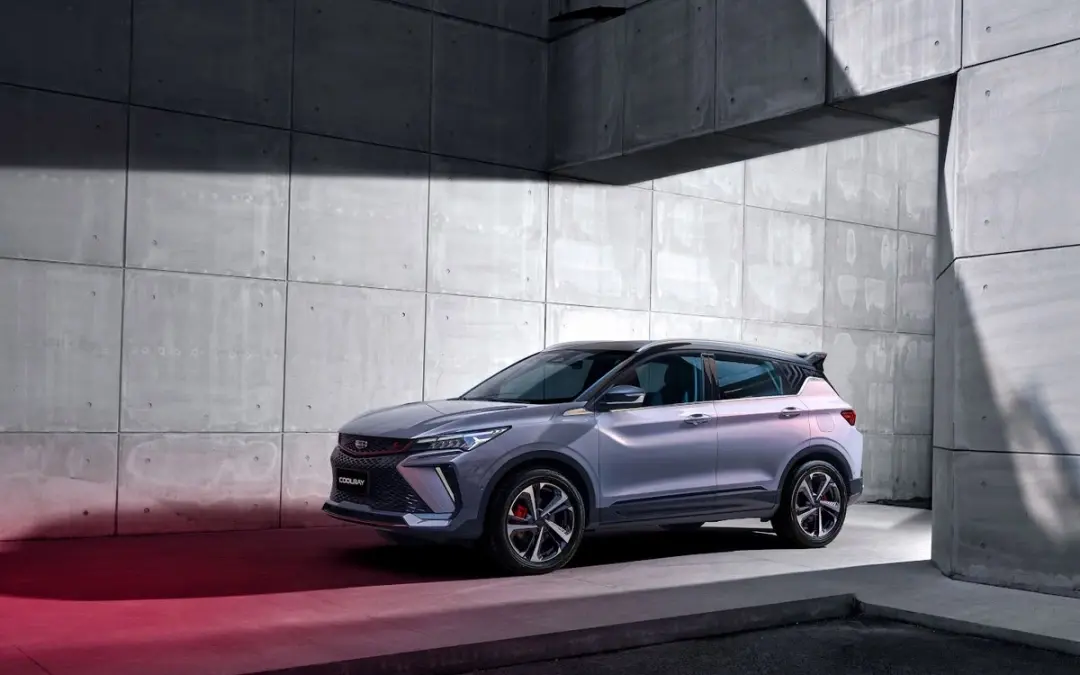
The second generation Geely Coolray is better in everything, but there is a question about the power of the power unit: where did the "horses" go? The Russian Coolray of the first generation uses a three-cylinder 1.5-liter turbo engine with a capacity of 150 hp, while the new car has a four-cylinder 1.5-liter turbo engine with a capacity of only 147 hp. Strange arithmetic: plus a cylinder, minus 3 hp. And this is despite the fact that in China the engine power of the second generation Coolray is 181 hp. It is not clear why the engine was so heavily detuned. The internal combustion engine works in conjunction with a 7-speed "robot", and there is no all-wheel drive.
Never miss our newsAdd this site to your preferred sources to see us more oftenAdd on Google

















