Roscosmos announced the arrival of 42 Russian and foreign satellites at the Vostochny Cosmodrome. They will be sent into space on a Soyuz-2.1b rocket with a Fregat upper stage as a secondary payload with the Meteor-M No. 2-3 hydrometeorological satellite.
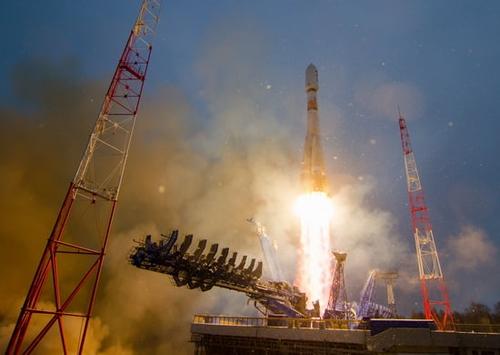
The small satellites were brought to Vostochny from the Blagoveshchensk airport by specialists from Glavkosmos. Under the Glavkosmos agreement with the Foundation for Assistance to Innovation, 16 university cubesats of the Space-Pi project will be launched, and under the Roscosmos UniverSat program, nine satellites will be launched. Another 17 small spacecraft will be launched in the interests of Russian and foreign commercial customers.
As for Meteor-M No. 2-3, this spacecraft is designed to solve the problems of hydrometeorological support, climate monitoring, and the study of Earth's natural resources. Its difference from Meteor-M No. 2-2 is that the new spacecraft is equipped with an on-board radar complex based on an active phased antenna array. This will provide all-weather radar monitoring of the Northern Sea Route.
Never miss our newsAdd this site to your preferred sources to see us more oftenAdd on Google