According to Kommersant, Rosatom has become the sole owner of the South Korean lithium-ion battery manufacturer Enertech International: Rennera, a company within Rosatom, acquired 49% of the South Korean enterprise from TVG Saehan Holdings Limited (a structure of the Ener1 holding) in 2021, and in 2022, another 49% of the shares were bought from the same holding.
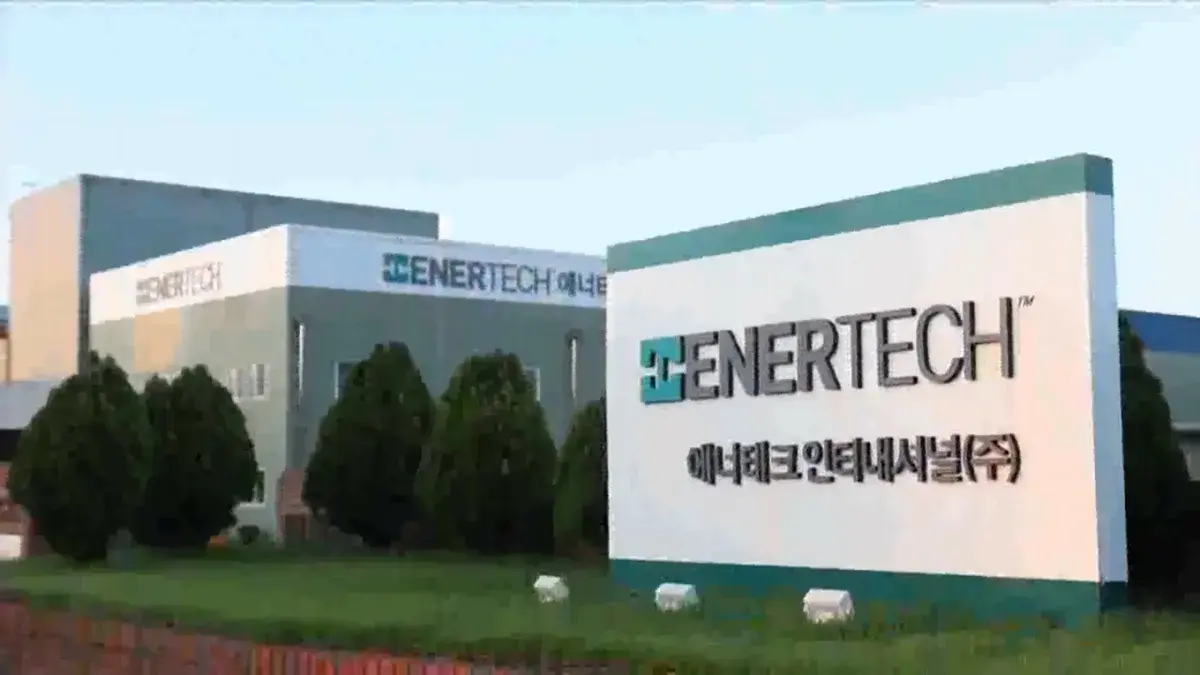
Enertech is not a very large plant with a capacity of 150 MW•h with its own R&D center. The company has collaborated with BMW, Samsung, and LG. However, the most important thing here is not production, but technology: it is reported that Rosatom will produce traction batteries for Russian electric vehicles in Russia using Enertech technology. Rennera plans to launch a plant in Kaliningrad in 2025 with a capacity of 4 GW•h per year, which will assemble traction batteries for approximately 50,000 electric vehicles per year.
"Rosatom's decision to acquire the technology is welcome, as Russia needs lithium-ion batteries in large quantities right now, and creating its own technology will take at least three to four years," commented Igor Chausov from ANO "Center "Energynet"". He noted that Enertech is developing NMC technology (lithium-nickel-manganese-cobalt-oxide batteries), suitable for use in electric transport.
Never miss our newsAdd this site to your preferred sources to see us more oftenAdd on Google