Translated with AI from the Russian original.
The Su-57 and J-35 belong to the same generation of combat aircraft, but they were designed for different tasks. The Russian aircraft is larger and intended for multi-role applications, while the Chinese J-35 was created as a more compact stealth fighter, including a carrier-based version for aircraft carriers.
"Pervy Tekhnichesky" compared the aircraft based on five key parameters.
Speed
The Su-57 can reach speeds of about 2600 km/h, which is approximately Mach 2. The aircraft is designed for supersonic cruise flight. In December 2025, a prototype Su-57 made its first flight with the promising "Izdelie 177" engine, the testing of which is ongoing.
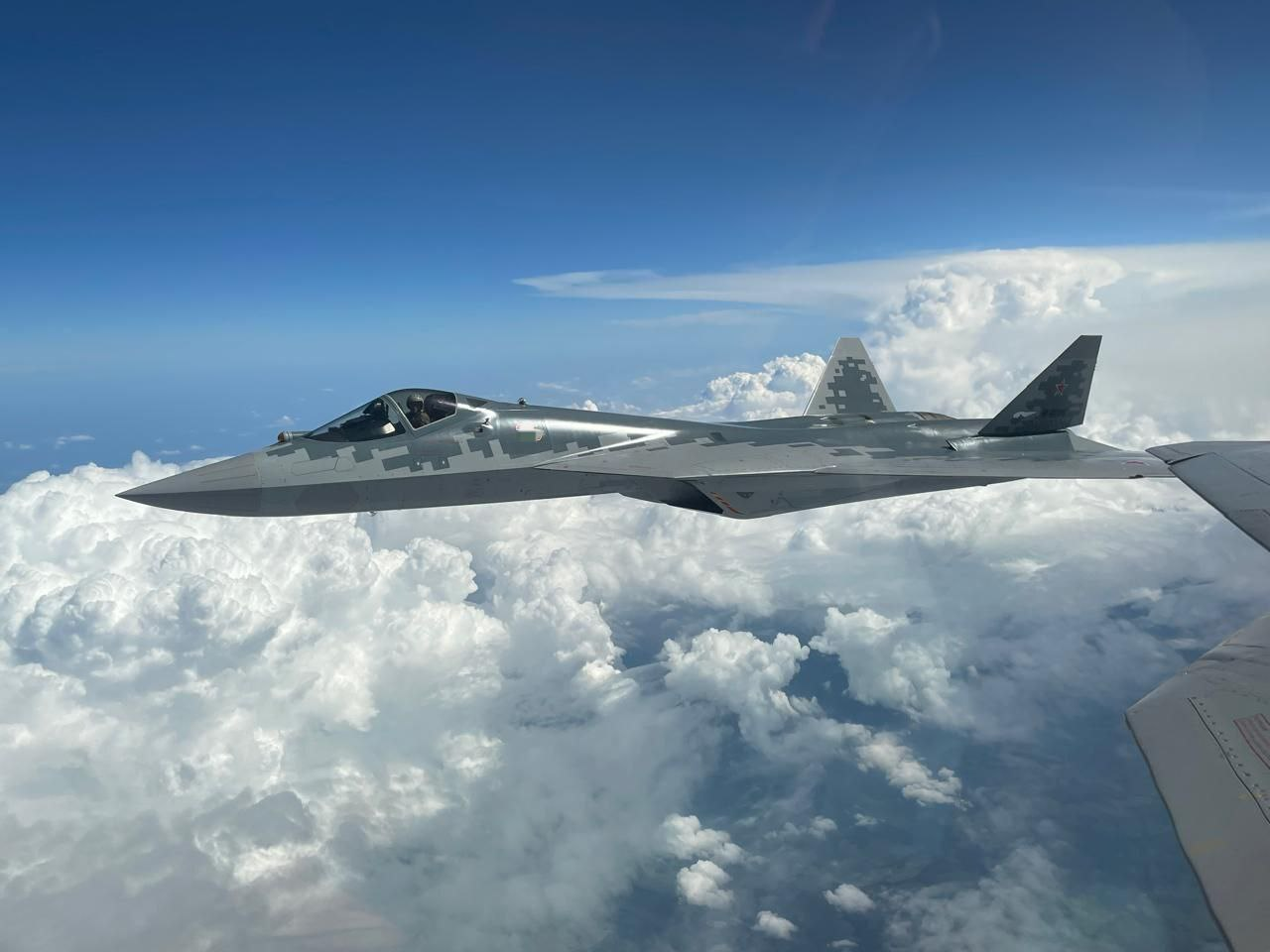
For the J-35, precise parameters have been officially disclosed much less. The aircraft belongs to the medium class, and its speed and range characteristics remain largely estimates. According to available information, the speed advantage remains with the Su-57.
Radar
The Su-57 received the integrated N036 "Belka" radar complex with multiple antenna arrays. The main AESA is located in the nose, with additional arrays in the leading edges of the wing. This architecture expands the field of view relative to the aircraft's longitudinal axis.
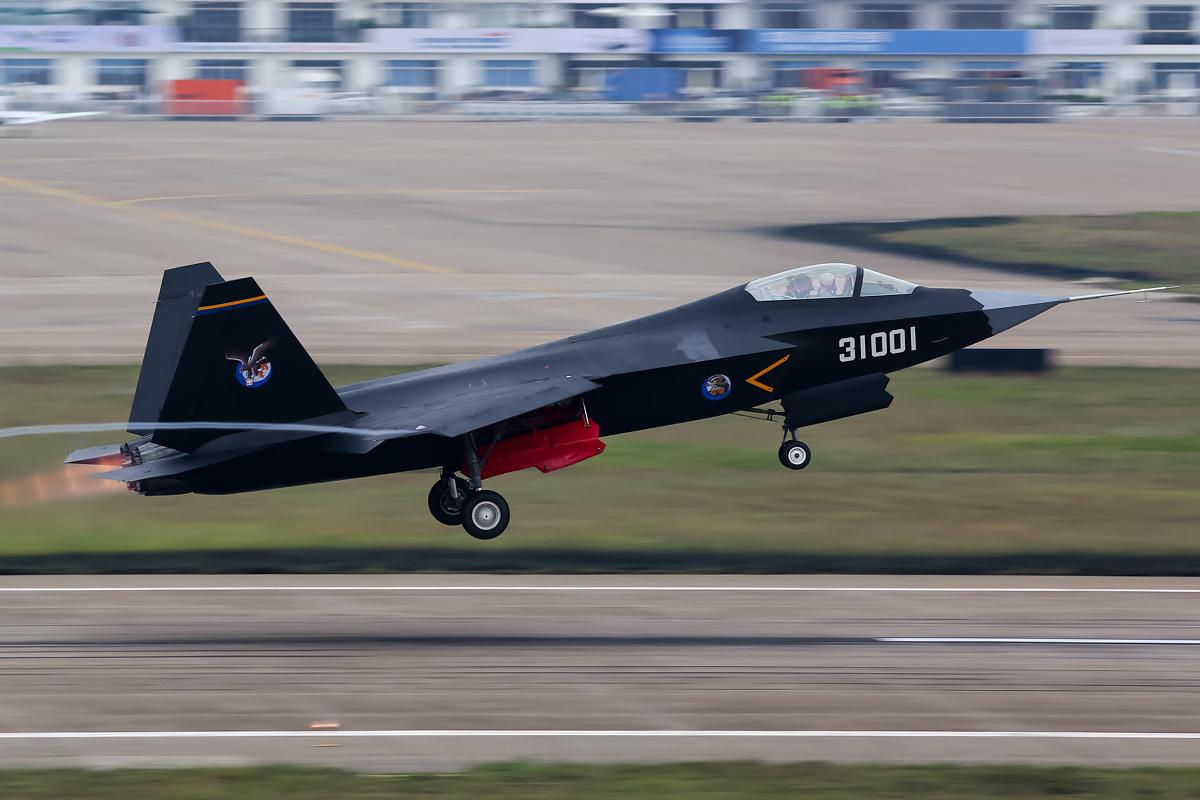
The J-35 also received a modern onboard complex with AESA, but China does not disclose detailed radar characteristics. Independent experts directly point to the lack of open information about the real capabilities of the aircraft and its onboard electronics – we call it a draw.
Armament
The Su-57 can employ a wide range of "air-to-air" and "air-to-surface" weapons. Among the known munitions are the R-77M, R-74M2, and the long-range R-37M. Missiles can be placed in internal compartments, maintaining the aircraft's stealth.
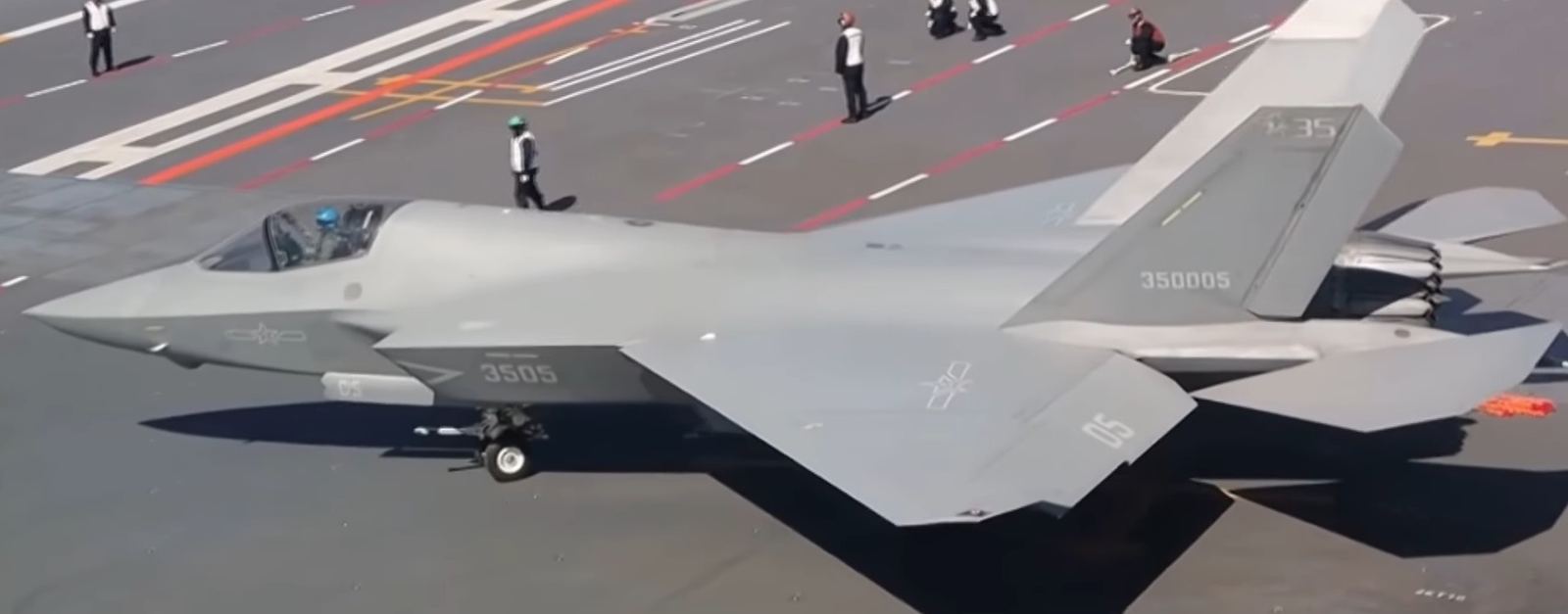
The J-35 also has internal weapon bays. The PL-10 and PL-15 missiles are associated with the Chinese fighter, with a version of the latter developed with a modified folding fin design for internal fuselage placement.
In terms of nomenclature, the Russian aircraft appears more versatile, and its large airframe allows for the use of heavy long-range weapons – the score widens.
Stealth
Here, the advantage is no longer obvious. The Su-57 was designed with reduced radar, infrared, and visual signatures in mind, and internal weapon placement helps maintain this feature in combat configuration.
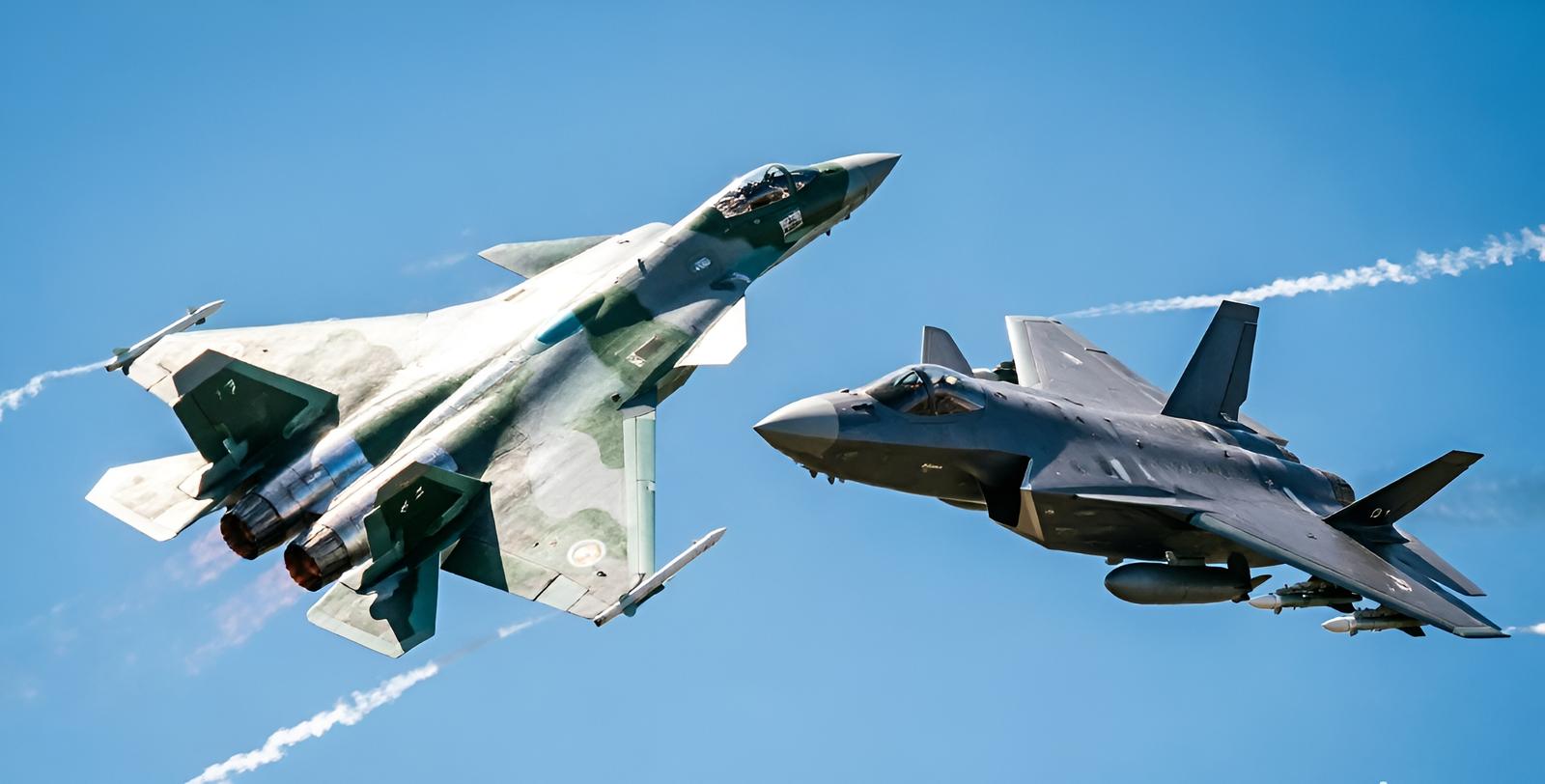
The J-35 was initially designed as a stealth fighter. Its airframe shape is clearly subordinate to reducing radar signature, and weapons are also placed inside the fuselage. However, the exact RCS values and characteristics of radar-absorbing materials remain unknown.
The main drawback here is the lack of open data that would allow an objective determination of which of the two aircraft is less visible. Conceptually, the J-35 is more focused on this task and narrows the score.
Versatility
The Su-57 was created as a multi-functional complex; OAK indicates the possibility of use against air, ground, and naval targets. The aircraft is capable of operating autonomously and exchanging data with other members of the combat group.
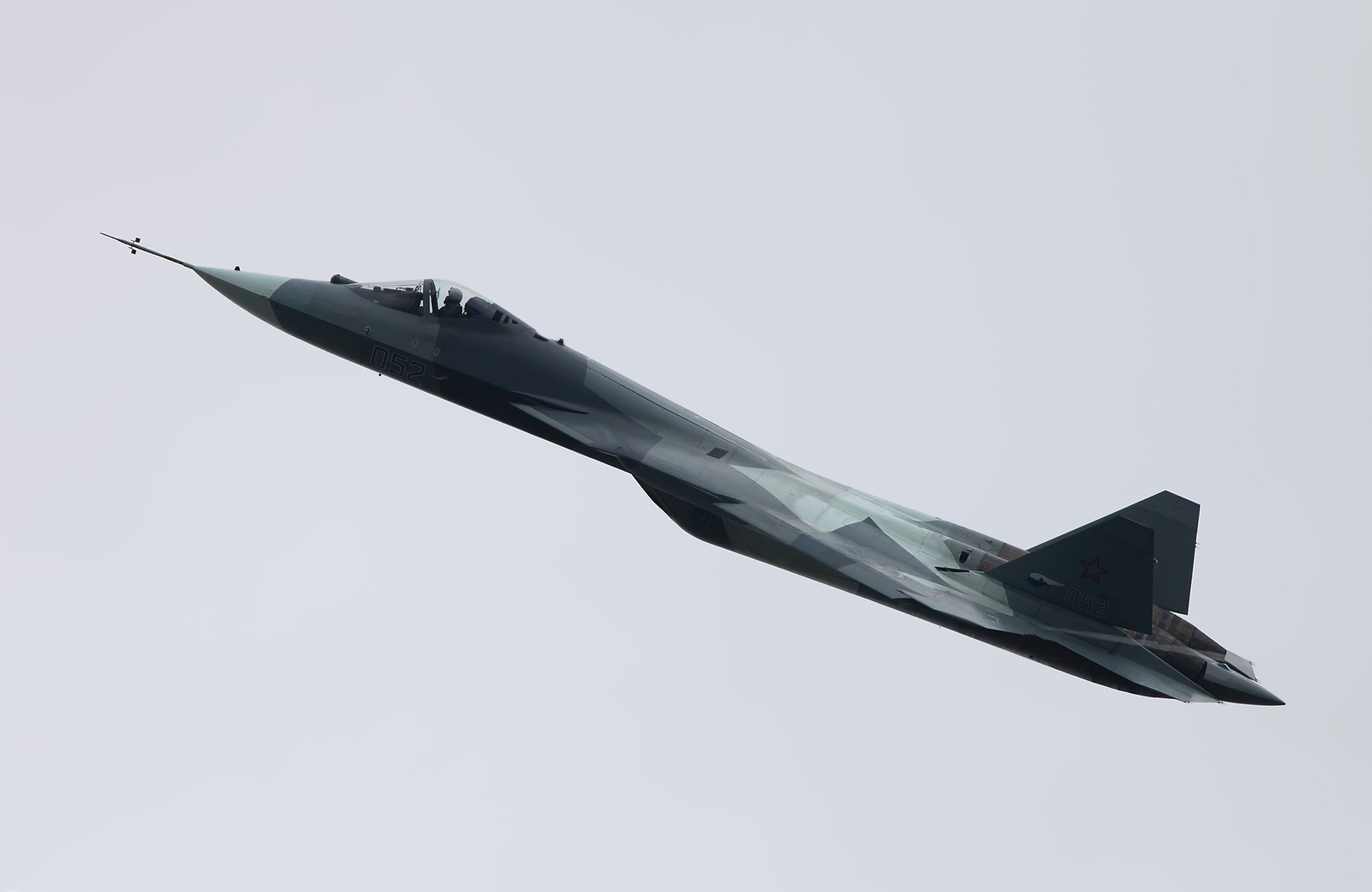
The J-35 is also a multi-role aircraft, but its fundamental difference is the existence of a carrier-based version for aircraft carriers. China has confirmed that the J-35 will be used in conjunction with carrier-based J-15s.
This gives it a unique capability, compared to the Su-57, to operate as part of a carrier air wing. However, in terms of breadth of application, the Russian aircraft remains more versatile – a third point in its favor.
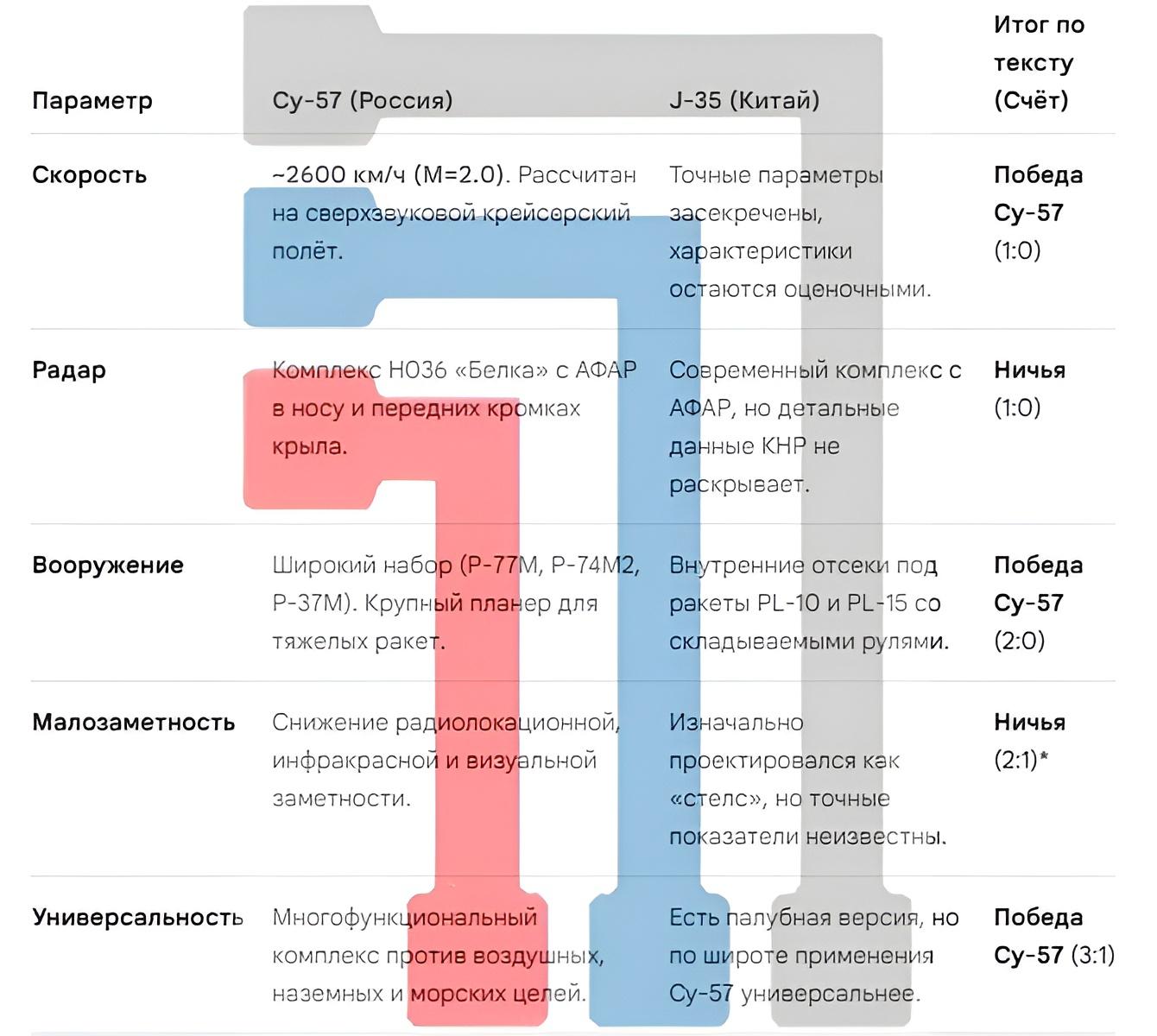
The Su-57 wins in terms of available weapon nomenclature, speed, and versatility. It is larger than the J-35 and was initially created as a multi-functional aircraft capable of operating against air, ground, and naval targets.
Read more on the topic:
Never miss our newsAdd this site to your preferred sources to see us more oftenAdd on Google

















