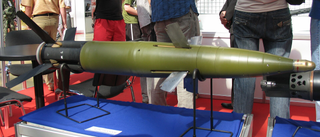
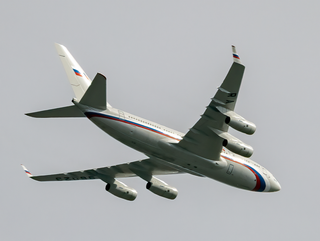
Comparing the light F-16 MLU modification and the heavy Su-35S directly is a challenging task, as the aircraft represent different weight classes and generations.
In essence, this is a confrontation between a deeply modernized Western classic and one of the most powerful serial fighter jets of the Russian Aerospace Forces. Let's break down their real characteristics against each other based on five key criteria.
Radar and Detection
The F-16AM/BM MLU received a modernized AN/APG-66(V)2A radar and modern avionics. The radar allows the use of AIM-120 AMRAAM missiles and beyond-visual-range combat.
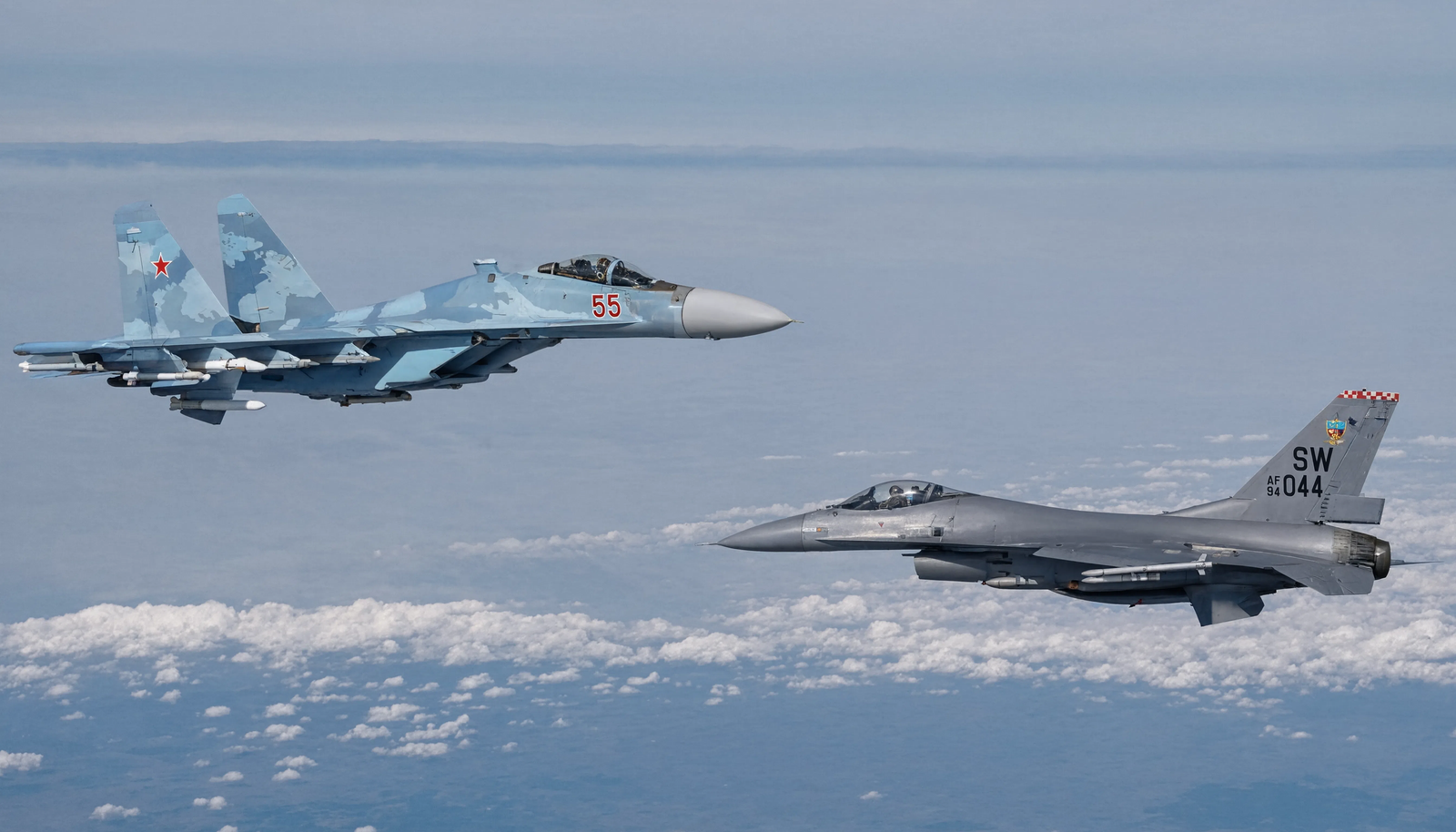
The Su-35S is equipped with a significantly larger "Irbis-E" radar with a passive phased array antenna. The large antenna size and the power of the complex provide a serious advantage in detecting large aerial targets. "35th" wins.
Armament
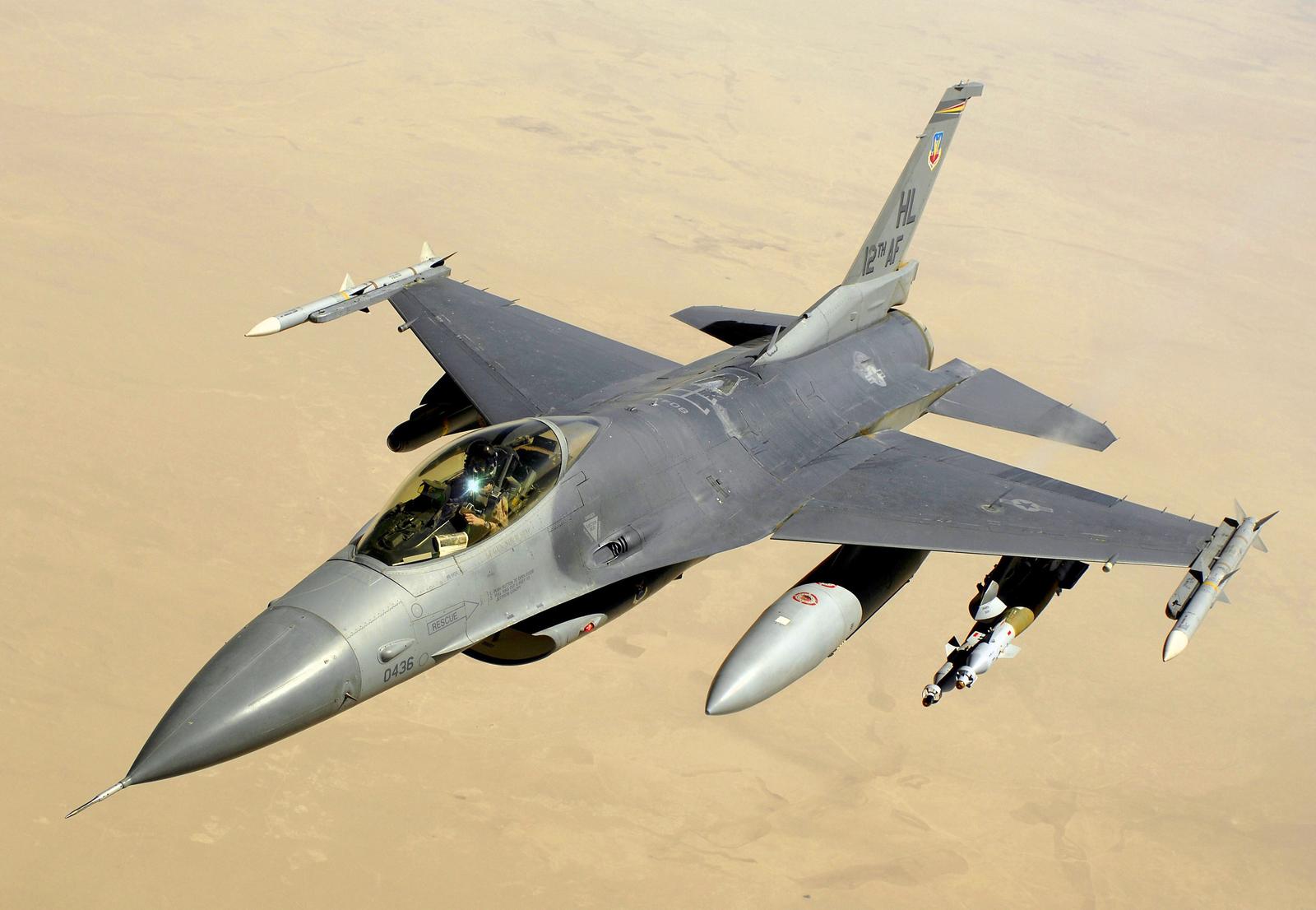
The F-16 MLU is capable of employing a wide range of Western weaponry, including AIM-120 AMRAAM, AIM-9 short-range missiles, and high-precision ground attack munitions.
The Su-35S has 12 hardpoints and can carry up to 8 tons of weaponry. Its arsenal includes R-77-1, R-73, and long-range R-37M missiles, as well as a wide range of ground and naval attack munitions.
In terms of combat load mass and the range of individual missiles, the Russian aircraft surpasses the F-16. We award a point to the Su-35S.
Maneuverability
Here, the Su-35S is in its element. Two engines with thrust vectoring and an aerodynamic design allow it to perform complex maneuvers at high angles of attack.
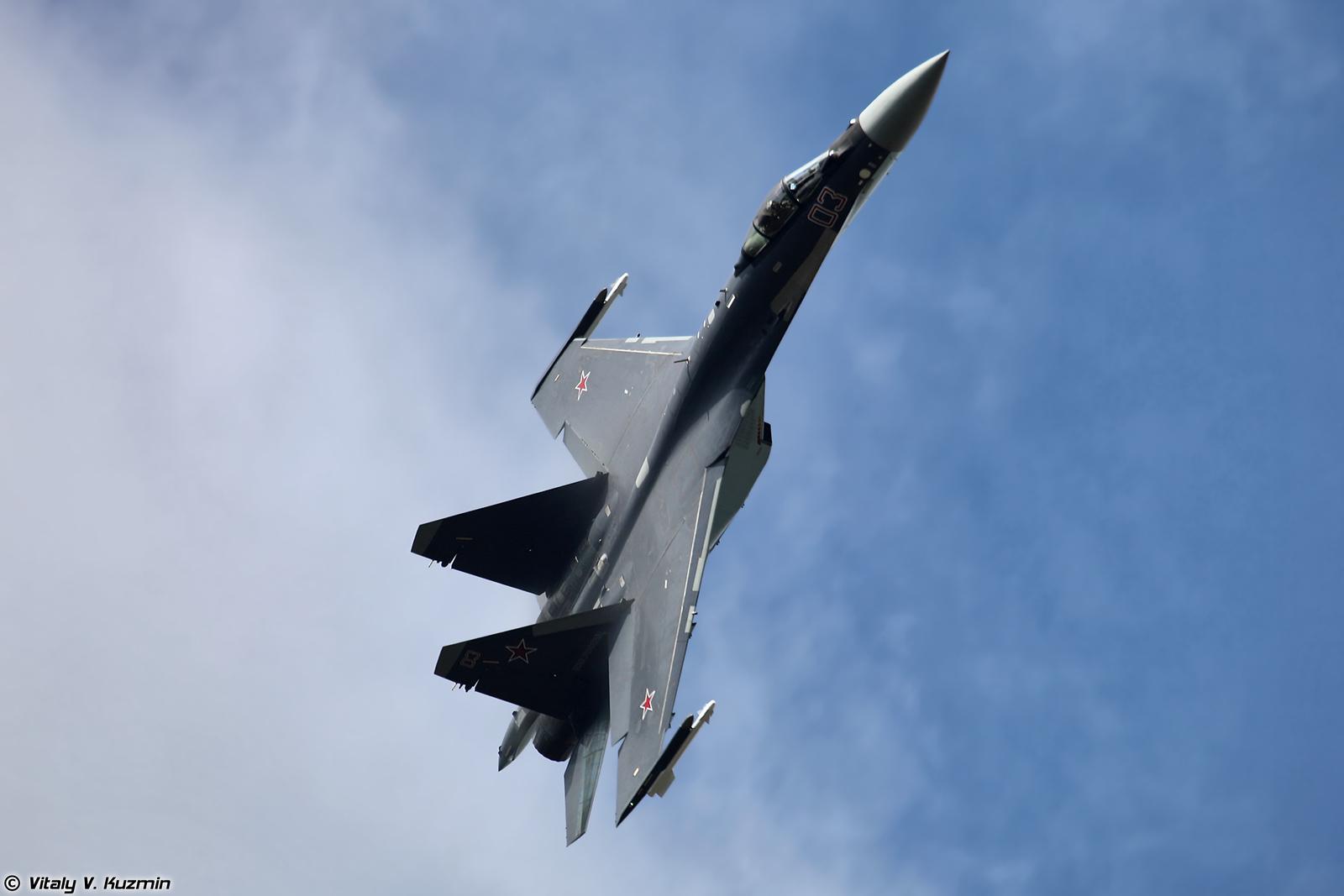
The F-16 is significantly lighter and has excellent aerodynamics, but its engine does not have a similar thrust vectoring system. In a hypothetical close-range aerial combat, the Su-35S gains a serious advantage, especially when using all-aspect missiles. The score gap becomes significant.
Range and Flight Duration
The F-16 is a compact light fighter with a smaller fuel capacity. Its combat radius depends on armament and external tanks and is usually estimated at approximately 500–600 km.
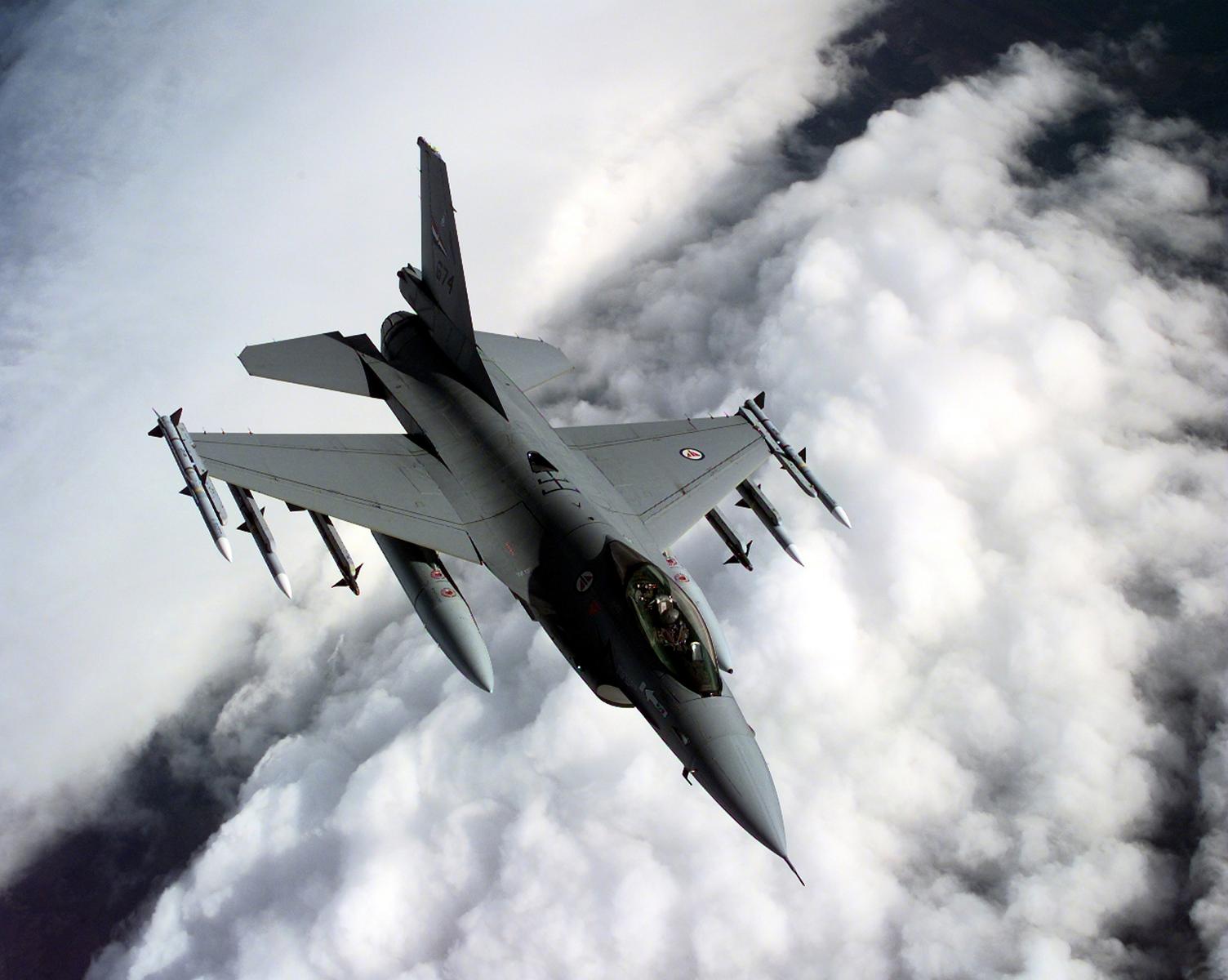
The Su-35S is significantly larger and carries about 11.5 tons of internal fuel. Its declared flight range reaches approximately 3600 km, giving the aircraft a significantly larger operational radius and the ability to stay in the mission area longer. The fourth point goes to the Su-35S.
Operation and Versatility
Here, the situation changes. The F-16 is one of the most mass-produced fighter jets in history, for which a huge international maintenance infrastructure has been created.
The Su-35S is more complex and expensive to operate due to its larger size and two engines, but it has a greater combat load and fuel capacity. In this criterion, it looks less preferable.
Final score: 4:1 in favor of the Su-35S.
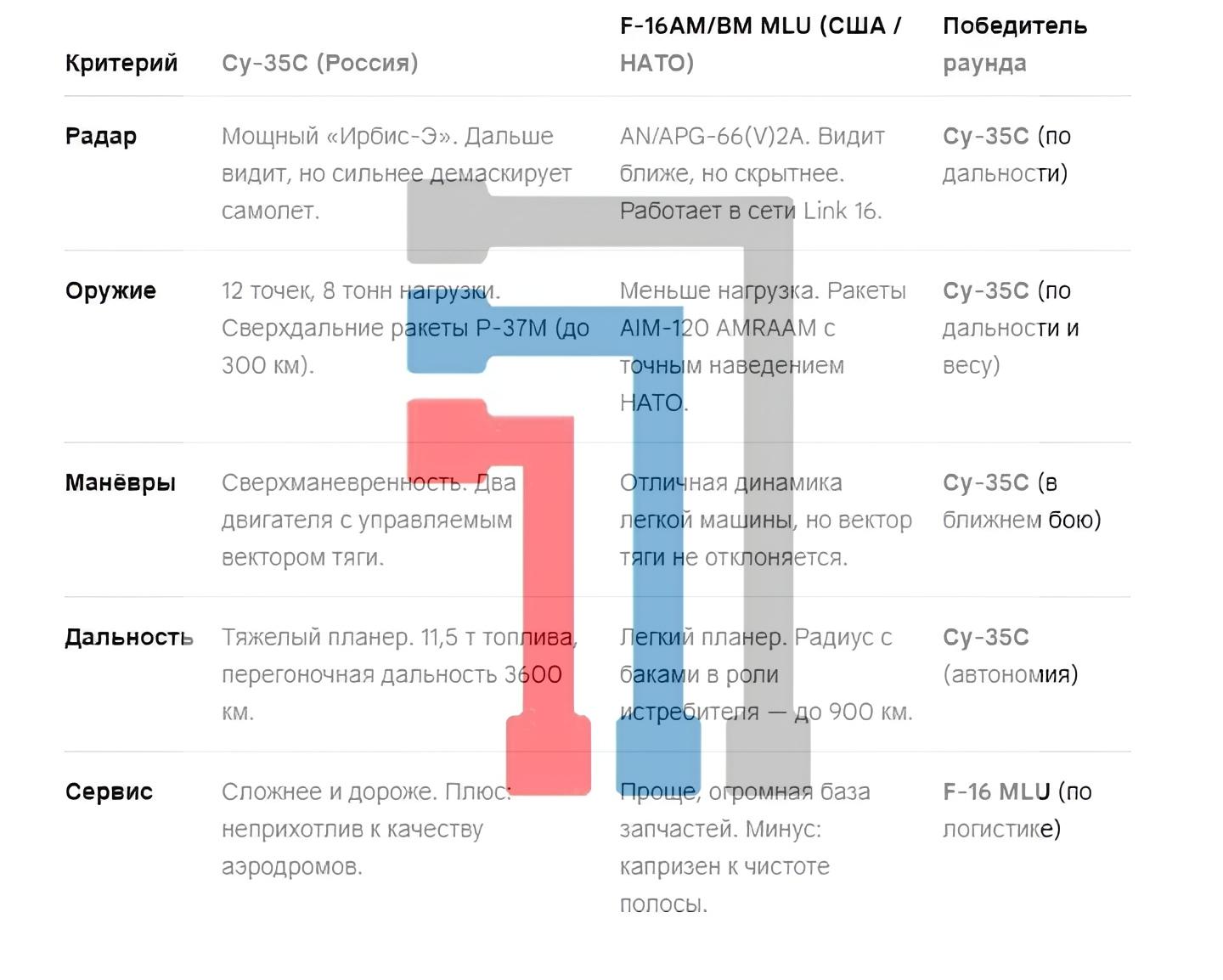
The Russian fighter jet wins in radar capabilities, armament, maneuverability, and range. The F-16AM/BM MLU takes the lead in operation and mass production thanks to its vast international infrastructure.
Read more on the topic:
Never miss our newsAdd this site to your preferred sources to see us more oftenAdd on Google