Translated with AI from the Russian original.
According to leading aviation analysts and defense experts, the first flight of the pre-production MiG-35 fighter, which took place on November 24, 2016, was not just another stage of testing, but a landmark event in the development of Russian tactical aviation. Experts emphasize that this flight established the MiG-35 as an advanced close air combat platform capable of effectively competing in the global arms market.
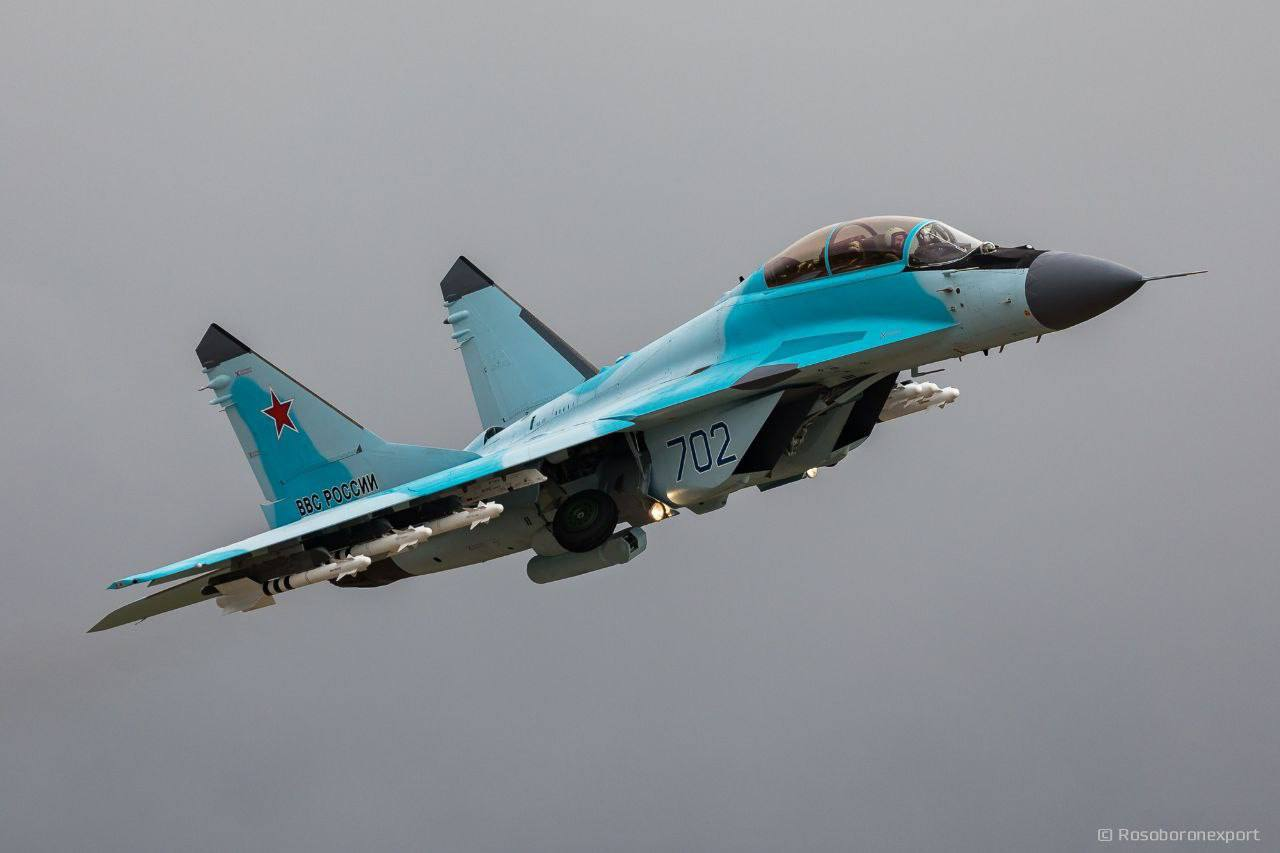
The development, which began in the 2000s, went through several key stages: first as the MiG-29M at MAKS-2005, then as the MiG-35, presented in 2007 to the top military leadership. But it was the 2016 flight that confirmed the aircraft's readiness for mass production and combat use.
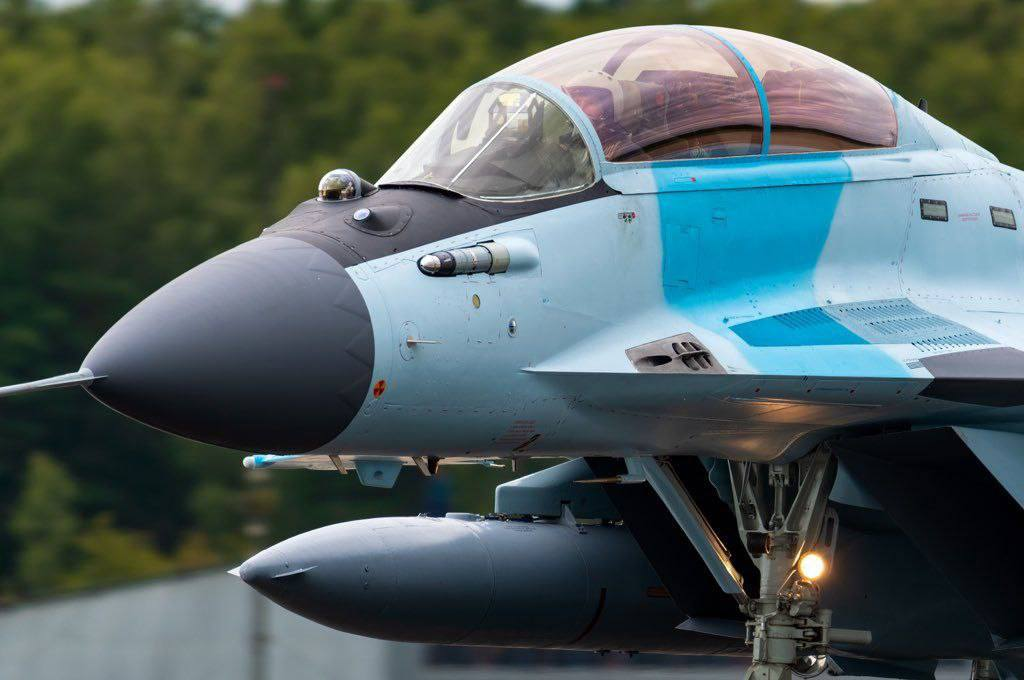
Specialists particularly highlight the comprehensive upgrade of the fighter's onboard systems. The MiG-35 embodies advanced solutions in the field of electronic warfare, received an active phased array antenna (APAA), an expanded range of weapons, and improved aerodynamics.
Although formally it belongs to the "4++" generation, in terms of a number of characteristics-especially in terms of integration with information systems and stealth-the MiG-35 is approaching fifth-generation fighters
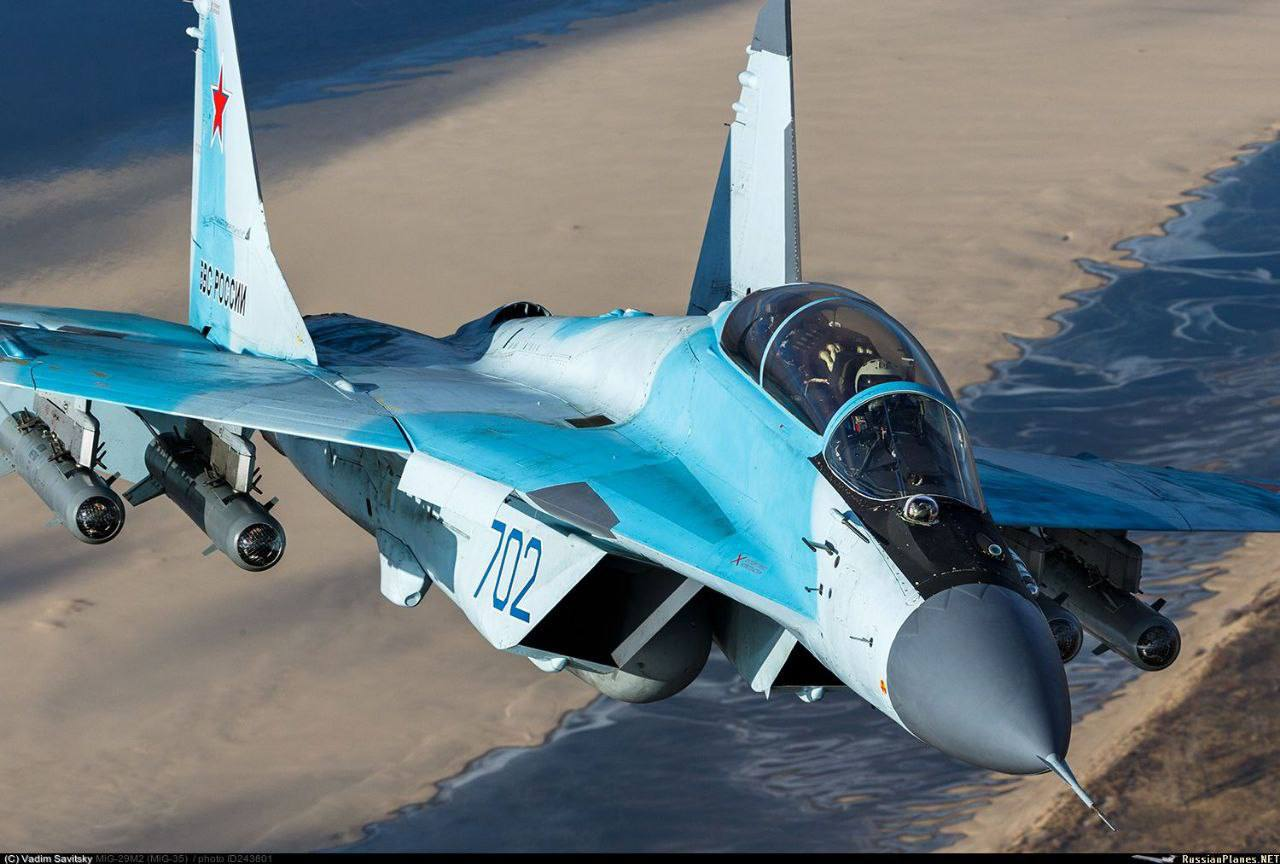
The expert community agrees that, despite the dominance of heavy platforms such as the Su-57, it is the MiG-35 that is able to occupy the niche of an economically advantageous, high-tech fighter for countries looking for an alternative to the Western F-16 or Gripen.
Thus, the first flight of the MiG-35 in 2016 was not just a technical event, but a strategic step that confirmed the viability of the concept of a light multi-functional fighter in a new geopolitical and technological reality.
Read also:
- Developing, testing, implementing: is Russian supersonic returning to the sky?
- Russian helicopter engineering school in trend: Sikorsky follows in the footsteps of the Kamov Design Bureau
- Su-57 will be improved for decades: application experience will form the basis of future modernizations
Never miss our newsAdd this site to your preferred sources to see us more oftenAdd on Google

















