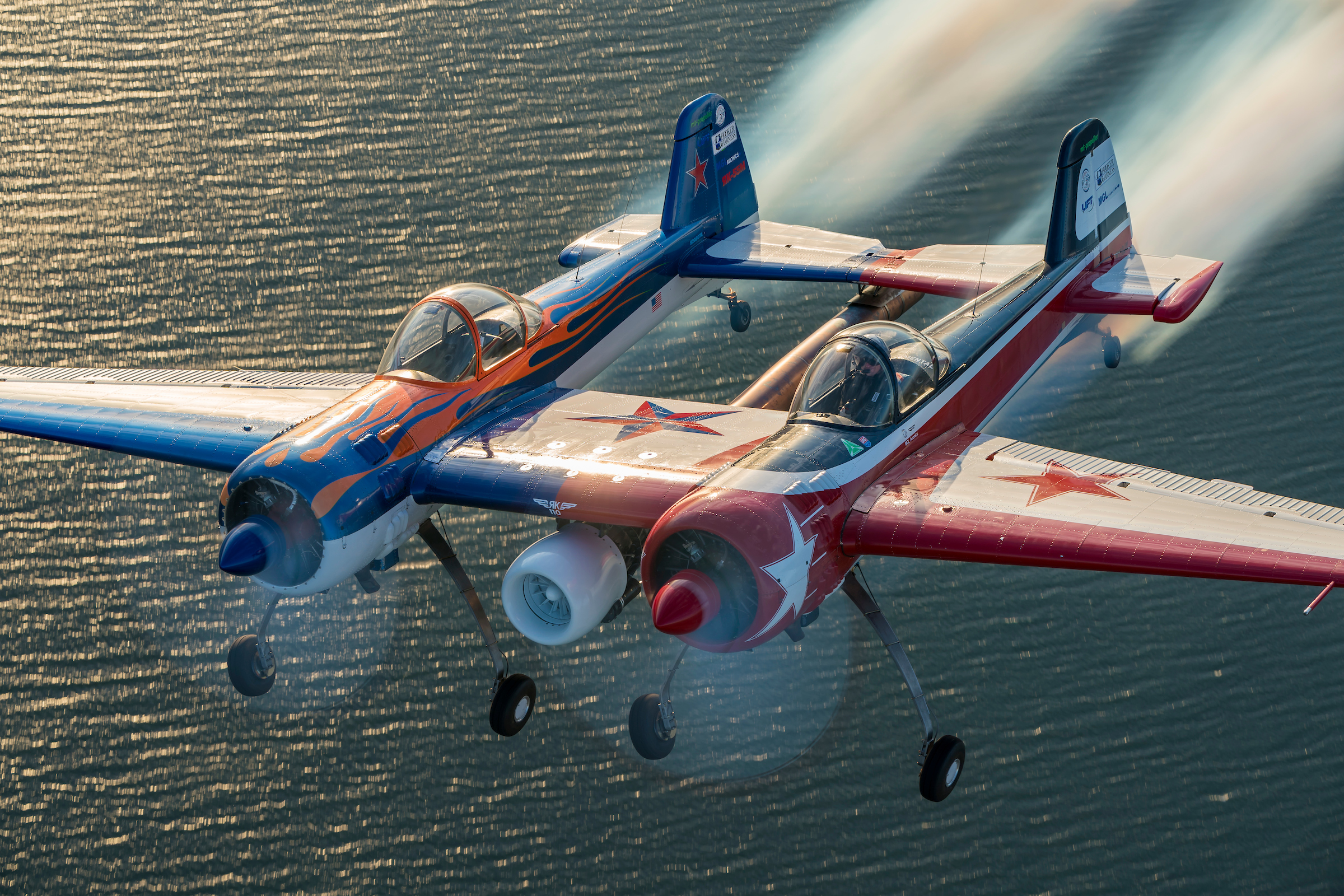
Craftsmen in the USA assembled a unique Yak-110 aircraft with a reference to the Soviet designer Alexander Yakovlev. They literally spliced two Soviet Yak-55s and added a General Electric jet engine to the Frankenstein. The car amuses the public at air shows and reminds Americans of Soviet aircraft construction.
How the Yak-110 was born
In the early 2010s, American restorer and aircraft mechanic Dell Coller, together with aerobatics champion Jeff Bourbon, decided to combine two Yak-55s into a single aircraft.
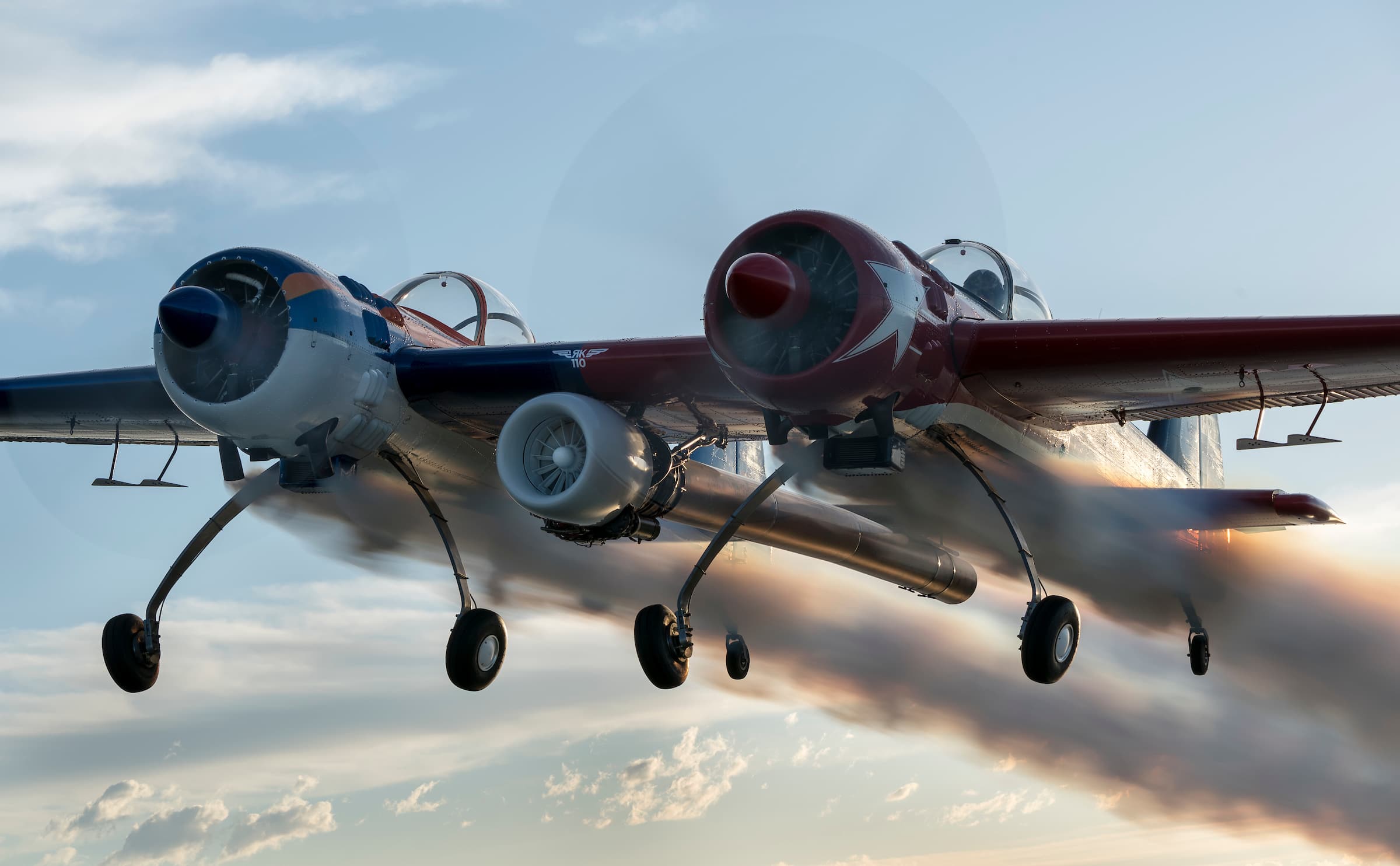
This is how the Yak-110 appeared - a unique hybrid with two fuselages, an additional General Electric CJ610-6 jet engine and a pair of M-14 piston engines.
The aircraft was first presented to the public at an air show in Idaho in 2018, and the audience was delighted.
The world's only "triple" aircraft
The creators swear that the Yak-110 is the only three-engine aircraft in the world certified for unlimited aerobatics.
At the same time, they emphasized that they did not assign authorship to themselves - theofficial website of the project directly indicates who the designer Yakovlev is and what the Yak-55 is.
Why it is worth telling about it in Russia
Although strictly technically the Yak-110 did not become a revolution, its history is a rare example of respect for the Soviet engineering school. The project reminded Americans that many sports cars come from the USSR.
Although the basic Yak-55 model, which took off in 1981, is a legend in itself. On it, Soviet pilots Nikolai Nikityuk and Viktor Smolin won prizes at the World Aerobatics Championships in 1984, and Khalide Makagonova became the absolute champion.
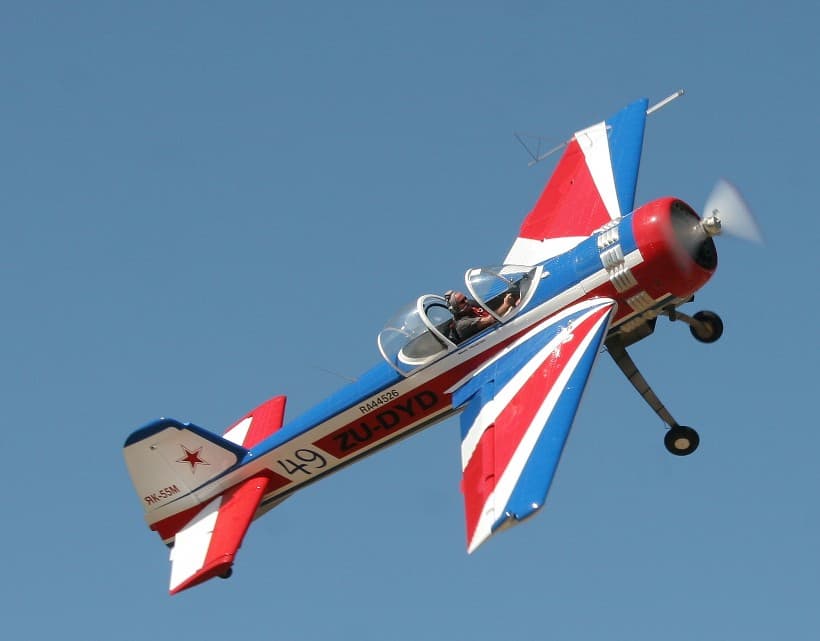
Yak-55 aircraft were built at the Progress plant in Arsenyev, a total of 214 vehicles were produced (108 Yak-55 and 106 Yak-55M). Production ceased in 1993, but about 50 copies ended up in the USA, where they still fly.
Earlier www1.ru reported that the Rostec commission with Serdyukov and UAC came with an audit to the production of the PD-8 engine.
Read also materials:
Now on home
The shift norm now covers the assembly of nine engines instead of seven

Rocket launch postponed - it was planned for 2030

Key innovative solution - the use of a modular block architecture
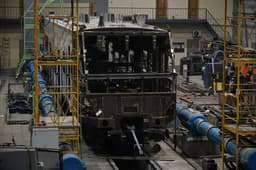
The train will not become a mass product in Russia

Now the rockets will be fully assembled in Omsk
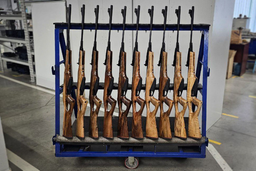
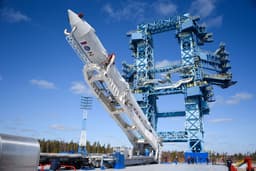
The first launch of the rocket will take place no earlier than 2035

Testing of the key component of the traction transformer will begin in April 2026
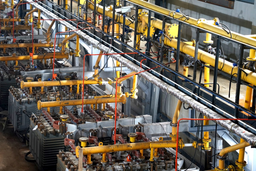
New fluorine production capabilities eliminate technological risks in the uranium transformation stage before enrichment in centrifuges
RIF company sued Krasnogorsk plant named after S. A. Zverev
The space complex will allow the development of the Earth's satellite's circumpolar regions