The current state of Russia's strategic nuclear forces (SNF) is largely determined by successes in the development of the naval component. The Borei-A nuclear-powered strategic missile submarines (SSBNs) represent the pinnacle of global submarine construction and, according to military expert Captain First Rank (Retired) Vasily Dandykin, significantly outperform the American Ohio-class analogues.
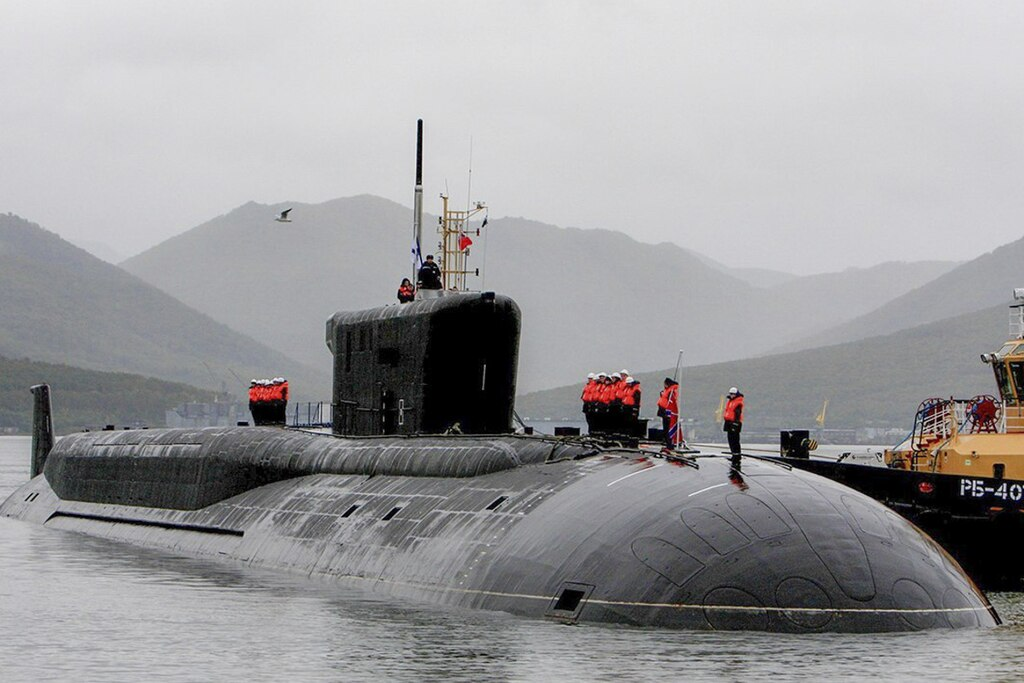
The key advantage of the Borei-A is their low noise, which significantly complicates their detection by the enemy. The use of advanced technologies in the field of hydroacoustics and sound insulation has reduced the noise level to minimum values. This, in turn, increases the survivability of SSBNs in a potential conflict.
The armament of the Borei-A is also at a high level. The submarines carry Bulava intercontinental ballistic missiles (ICBMs), capable of hitting targets at a range of up to 9,000 kilometers. Each missile is equipped with multiple independently targetable reentry vehicles, allowing it to attack several targets simultaneously.
We have Borei fourth-generation submarines, while they have Ohio third-generation submarines. And they are only going to put the lead boat into service in a few years.
The American Ohio, despite the modernization, are inferior to the Russian Borei-A in a number of parameters. They are noisier, which makes them more vulnerable to detection. In addition, the Trident II D5 ICBMs, with which the Ohio are armed, although highly accurate, are inferior to the Bulava in range and number of warheads.
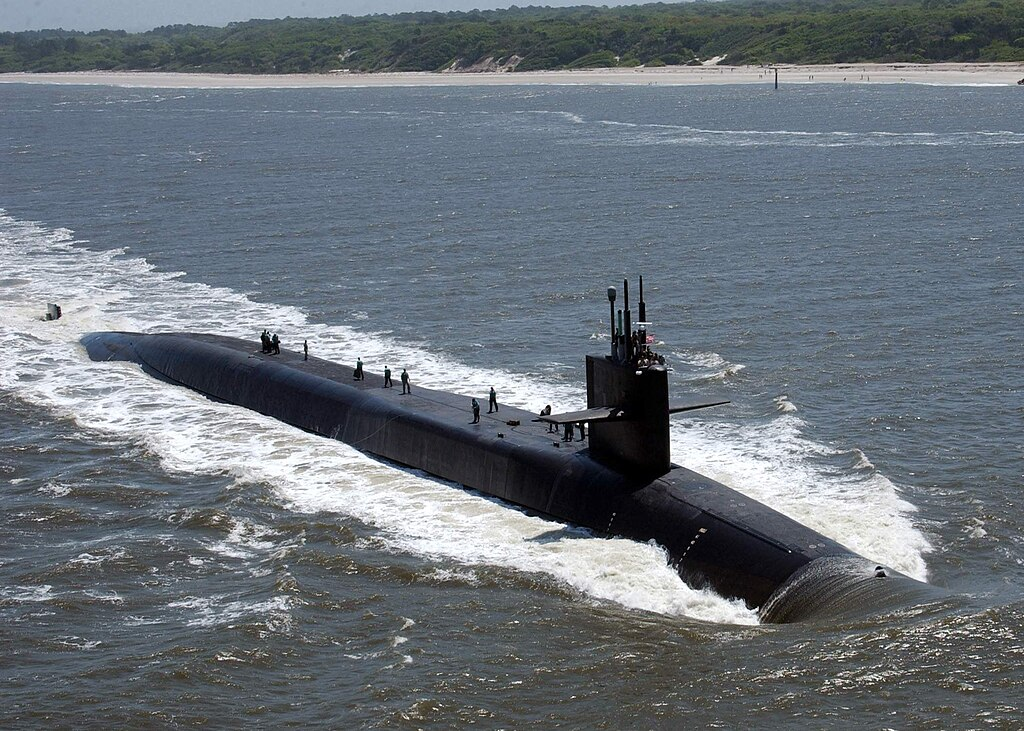
In general, according to military analysts, Russia occupies a leading position in the field of submarine construction, especially in the segment of strategic SSBNs. The superiority of the Russian Borei-A over the American Ohio is a clear confirmation of this fact. This circumstance has a significant impact on the strategic balance of power in the world, forcing the United States to look for ways to neutralize the Russian advantage.
Read more materials:
Now on home

Start of deliveries scheduled for 2027

Over 51,000 new motorcycles were sold in Russia in 2025

The car will take at least a year to assemble

The application's audience has reached 20 million users

The model will be included in the list of cars for taxis, price - from 2.25 million rubles

All parking lots of the "Administrator of the Moscow Parking Space" are connected to the service

The cars will be supplied to the Moscow Transport Service Directorate

Deliveries to India may begin in 2028

The technology provides automated search for all types of defects in power units

The plane flew 500 km, accelerating to 425 km/h

The plant stated that the information about the termination of purchases for models 6 and 8 is not true

Scientists are using the "Ekran-M" installation
Articles
-
Russian An-124 "Ruslan" Stuck in Canada for 4 Years and Accrues Millions in Fines
26 Jan 2026
-
Coaxial Propellers: How Counter-Rotation Increases Turboprop Engine Efficiency
25 Jan 2026
-
Kazan Aviation Plant Breaks Old System: Tu-214 to be Assembled Like Cars
25 Jan 2026
-
How Engineers and Technicians Are Paid Today in the Russian Aviation Industry: An Overview with Figures
24 Jan 2026