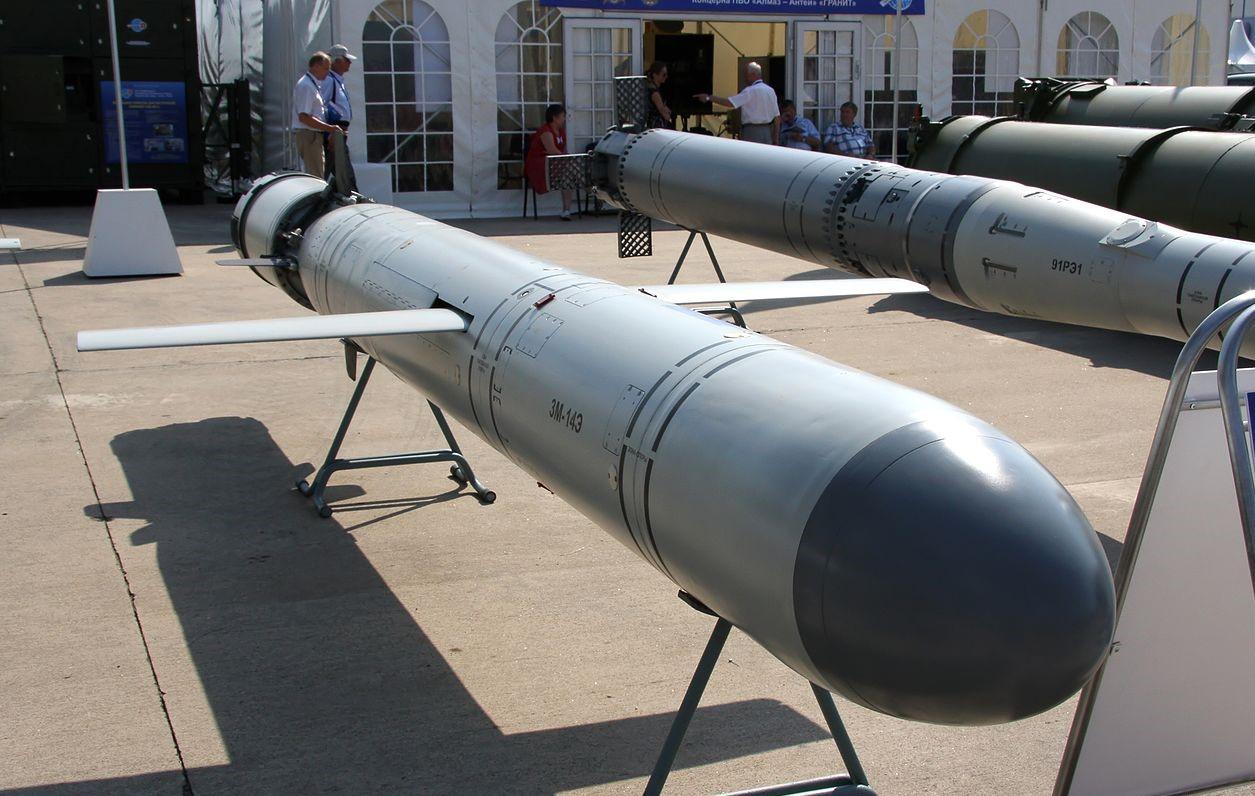
NATO countries have always relied on US electronic warfare systems, but not in the case of Russian Kalibr cruise missiles. This opinion was expressed by Alliance representative Bas Nieuwenhause, who oversees naval electronic warfare, Breaking defense writes.
He called on the NATO leadership to revise the set of measures related to electronic warfare. According to Nieuwenhause, Western countries cannot rely on the United States. And therefore, the alliance should focus on developing effective electronic warfare systems.
The official presented a hypothetical scenario in which Russia attacks the Baltic countries with nine Kalibr cruise missiles launched from submarines. Nieuwenhause believes that there are not enough resources to intercept them.
Imagine that missiles appear above the radar horizon at a distance of 30 kilometers. At a speed of 2.9 Mach, a direct hit requires 30 seconds. Electronic warfare starts working within these 30 seconds. But we must detect the threat, classify it, predict the trajectory, and then give the order to take retaliatory measures.
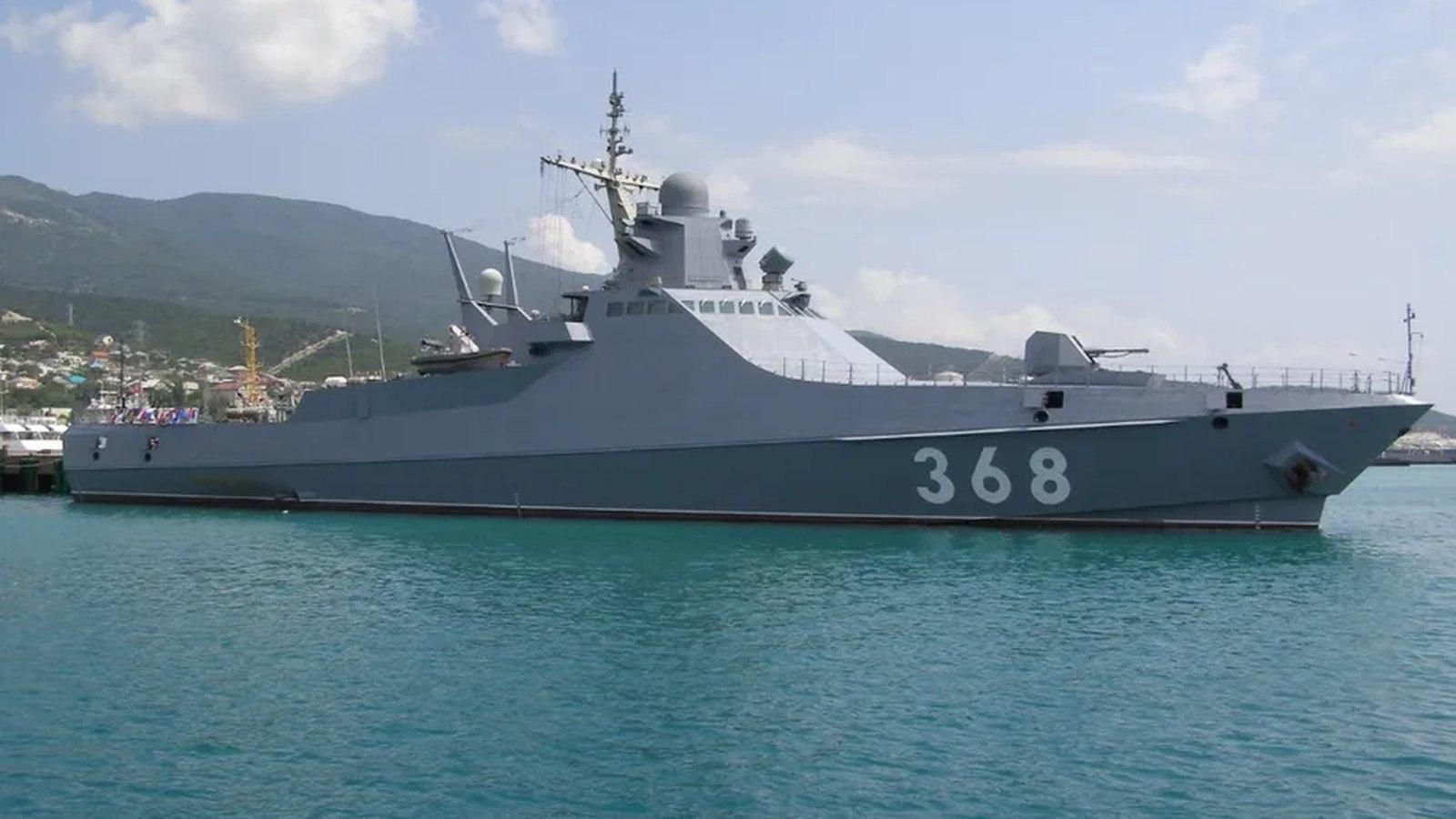
In addition, the official is sure that"smart, fast and very difficult to detect" anti-ship missiles remain a "classic threat". Now Russia is actively using electronic warfare systems and is superior to NATO countries in this, he concluded.
Read more on the topic:
Patrol "Viktor the Great" with "Calibers" found a new purpose
Three new warships with Kalibr-NK complexes were accepted into the Russian Navy
Never miss our newsAdd this site to your preferred sources to see us more oftenAdd on Google

















