Translated with AI from the Russian original.
The Progress MS-30 spacecraft delivered the latest Orlan-MKS No. 6 spacesuit to the International Space Station on March 2, 2025. This is the first model equipped with a modern climate control system and a fully domestic LCD display for monitoring all life support parameters.
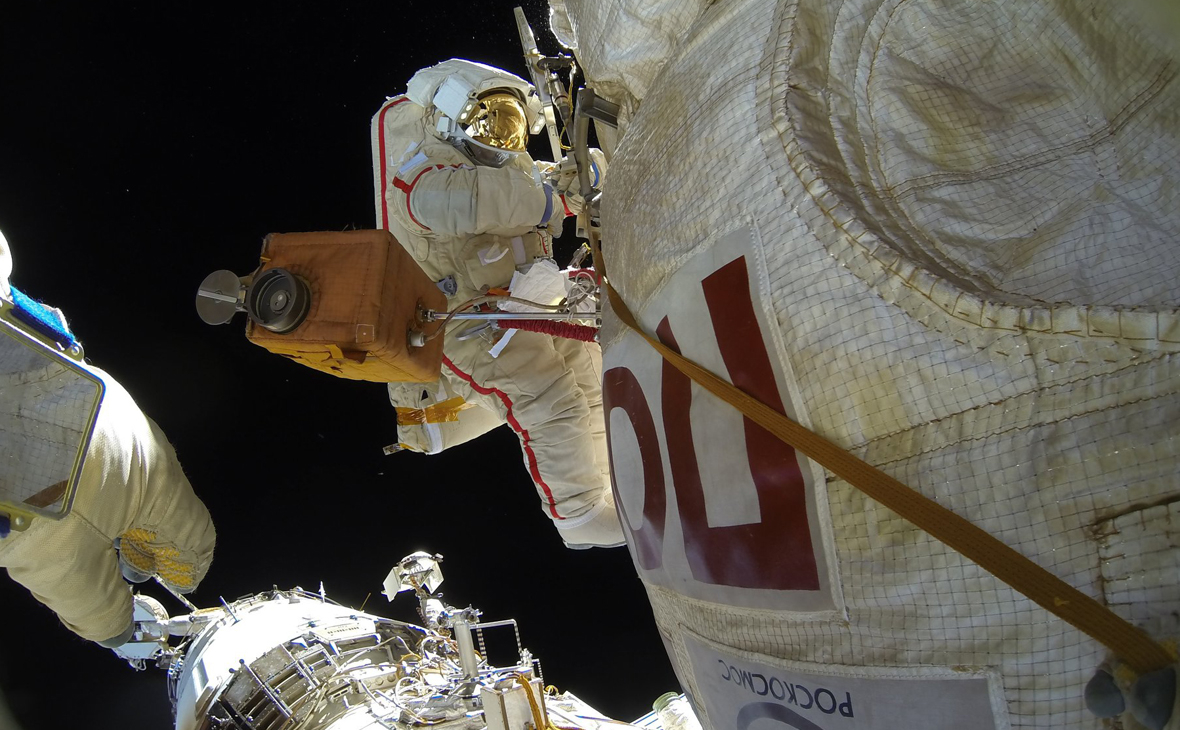
Orlan-MKS No. 6 replaced models No. 4 and No. 5, which had reached the end of their service life. This is the sixth representative of the legendary Orlan line, which began in the 1960s.
The first Russian spacesuits were named after noble birds — Berkut, Yastreb, Sokol. The history of Orlan began with the unsuccessful Soviet lunar program, when engineers created the unique semi-rigid Krechet spacesuit. Although it never flew to the Moon, its technologies formed the basis of modern spacesuits for orbital stations.
The abbreviation MKS in the name stands for "modernized, computerized, synthetic." Orlan-MKS No. 6 is equipped with an innovative hermetic shell made of a special material capable of withstanding extreme space temperatures from -150°C to +120°C. The automatic temperature control system of the spacesuit functions as climate control, maintaining a comfortable temperature for the cosmonaut by adjusting the water temperature in the cooling system.
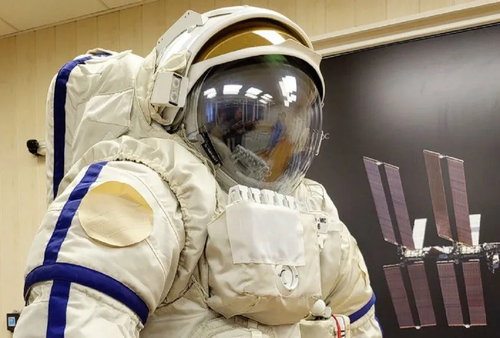
The main feature of the new model is a domestic LCD display that shows all important parameters: temperature, pressure, tightness, and system charge. Testing the spacesuit for 50 parameters now takes only 30 seconds, and an audible alarm is triggered in any emergency.
Putting on the spacesuit has become easier — cosmonauts enter through a special hatch in the back, like in a mini-submarine.
Oleg Kononenko, the record holder for time spent in space, suggested several improvements: change the shape of the cuirass to a trapezoid for ease of donning, add interchangeable sleeves for different heights and builds, and embed video cameras directly into the helmet for better visibility. Kononenko also suggested equipping the spacesuit with an important detail in case of an emergency.
It is necessary to integrate a jet propulsion system inside the spacesuit to return the cosmonaut to the station in case of loss of contact with the surface of the ISS.
The Orlan-MKS No. 6 spacesuit is the result of more than 50 years of engineering development and research in the field of space technology.
It has high reliability and is capable of withstanding both deadly solar flares and micrometeorite impacts. Orlan provides protection against extreme temperatures and radiation, and also supports human life in a vacuum, making it an indispensable tool for working in outer space.
Read more related materials:
New Orlan-MKS No. 6 Spacesuit: A Mini Spacecraft for Spacewalking
Full Import Substitution: Onboard Computers of Russian Spacesuits Equipped with Domestic Displays
Never miss our newsAdd this site to your preferred sources to see us more oftenAdd on Google

















