A"mysterious" Russian cruise missile, shown to Deputy Chairman of the Security Council of the Russian Federation Dmitry Medvedev at the Kapustin Yar training ground (Astrakhan region), resembles the American AGM-158 JASSM. This is according to Army Recognition.
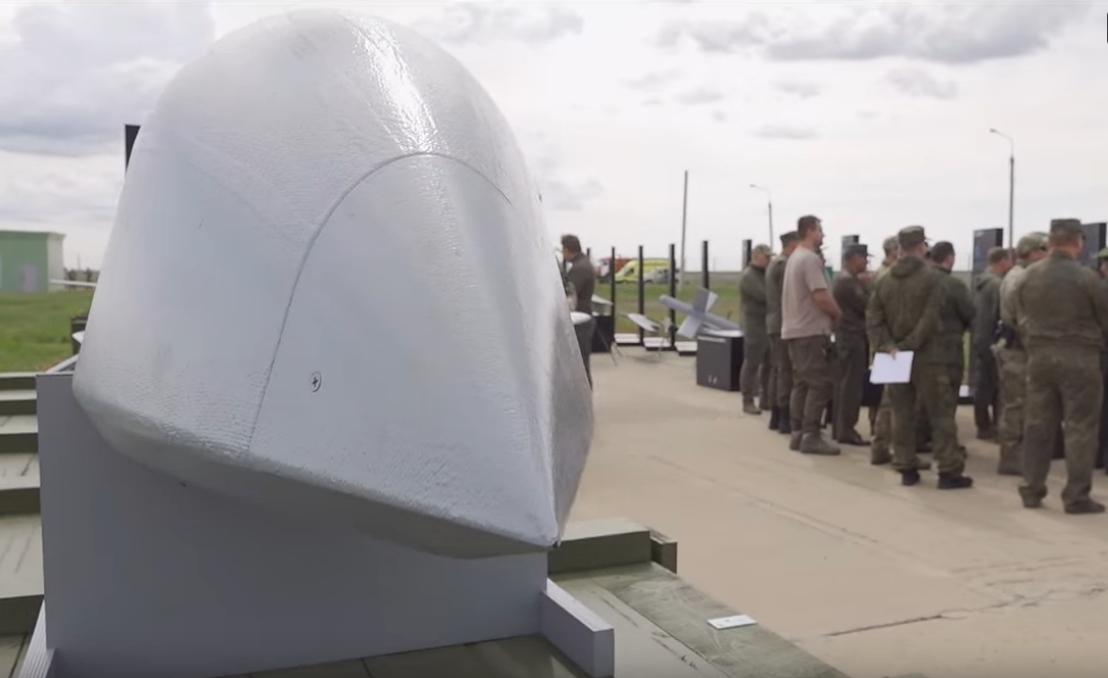
The characteristics of the missile, unofficially named "Banderol", are not disclosed. Its front part has a "pencil" shape, like the AGM-158 JASSM (Joint Air-to-Surface Standoff Missile).
The author of Army Recognition writes that "Banderol" is intended for deployment on heavy drones such as the "Orion". The missile differs from all known Russian designs, including "Caliber" and "Onyx", and therefore may have components typical of jet-powered UAVs, including a turbojet engine.
Experts note that the new missile, although outwardly resembling the Kh-101, may have characteristics close to unmanned or semi-autonomous systems.
Since 2022, Russia has significantly increased the production of cruise missiles, especially the Kh-101. In 2024, the output reached more than 500 units.
Read also on the topic:
First photos of an unknown Russian missile appear
Su-57 fighter will be able to use a secret cruise missile: first details about the new ammunition
The National Interest: Russia with powerful Zircon missiles bypassed the USA and China
Never miss our newsAdd this site to your preferred sources to see us more oftenAdd on Google

















