The tasks of continuous monitoring of the airspace on the line of combat contact were assigned to the 1L125 "Niobium-SV" radar stations on duty. Military expert Evgeny Damantsev spoke about how the system works when repelling air attacks.
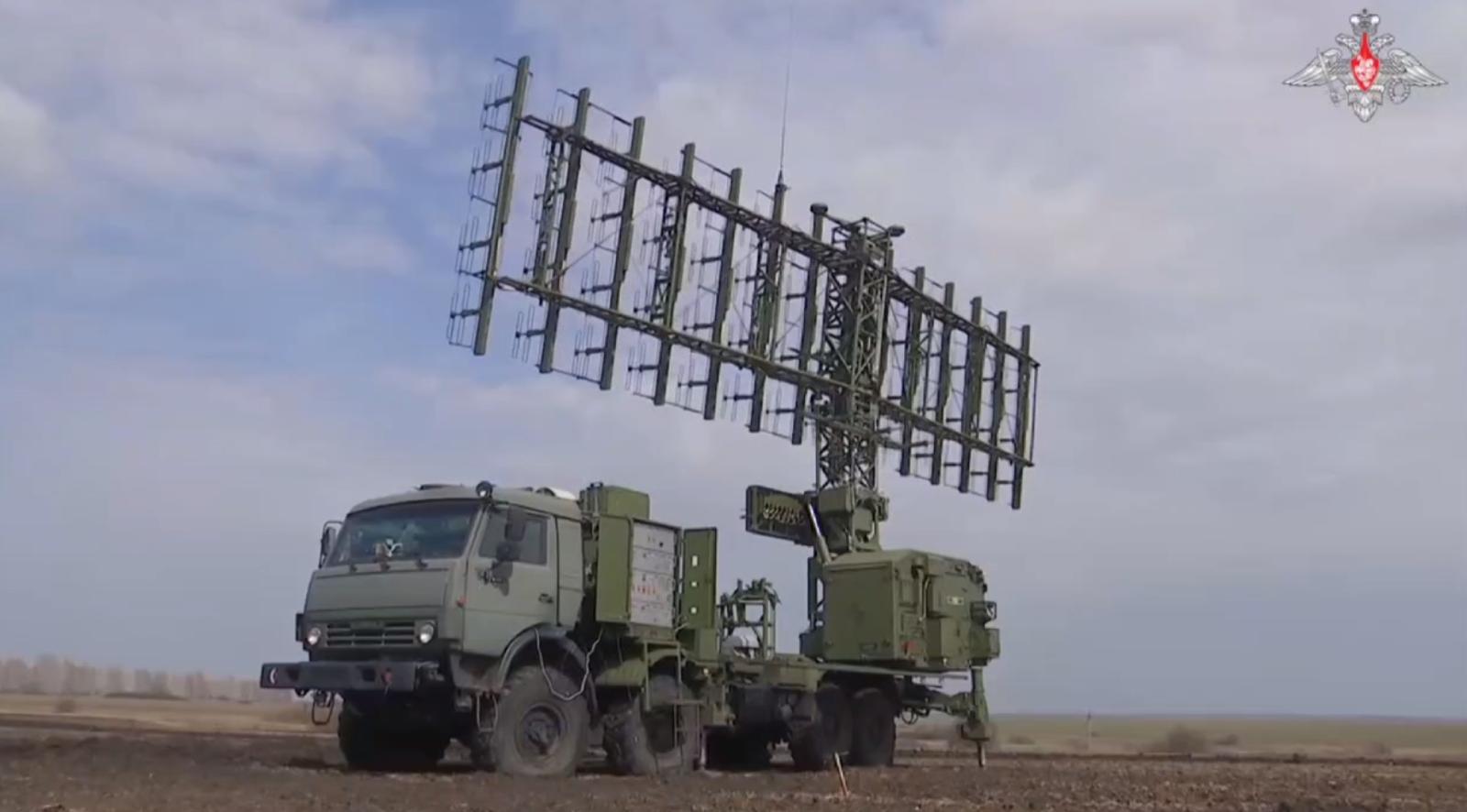
The complex became a new stage in the development of the family of unique "Nebo" stations, which are in service with the Russian army in modernized versions. "Niobium" is capable of recording small-sized, low-observable and hypersonic targets.
The radars function stably in a complex jamming environment. The station receives objective information about the flights of aircraft, determines their coordinates and identifies air targets at different altitude ranges.
The "Niobium" equipment can also be used to direction find sources of radio interference and provide radar information to consumers. The radar can find and track both aerodynamic objects and ballistic targets, including ATACMS missile warheads.
"Niobium-SV" operates in the meter wave range from 180 to 220 MHz and is capable of detecting targets with an effective reflecting surface (ERS) of 1 m² at a distance of 230 km at a flight altitude of 10 km and 53 km - at an altitude of 0.5 km.
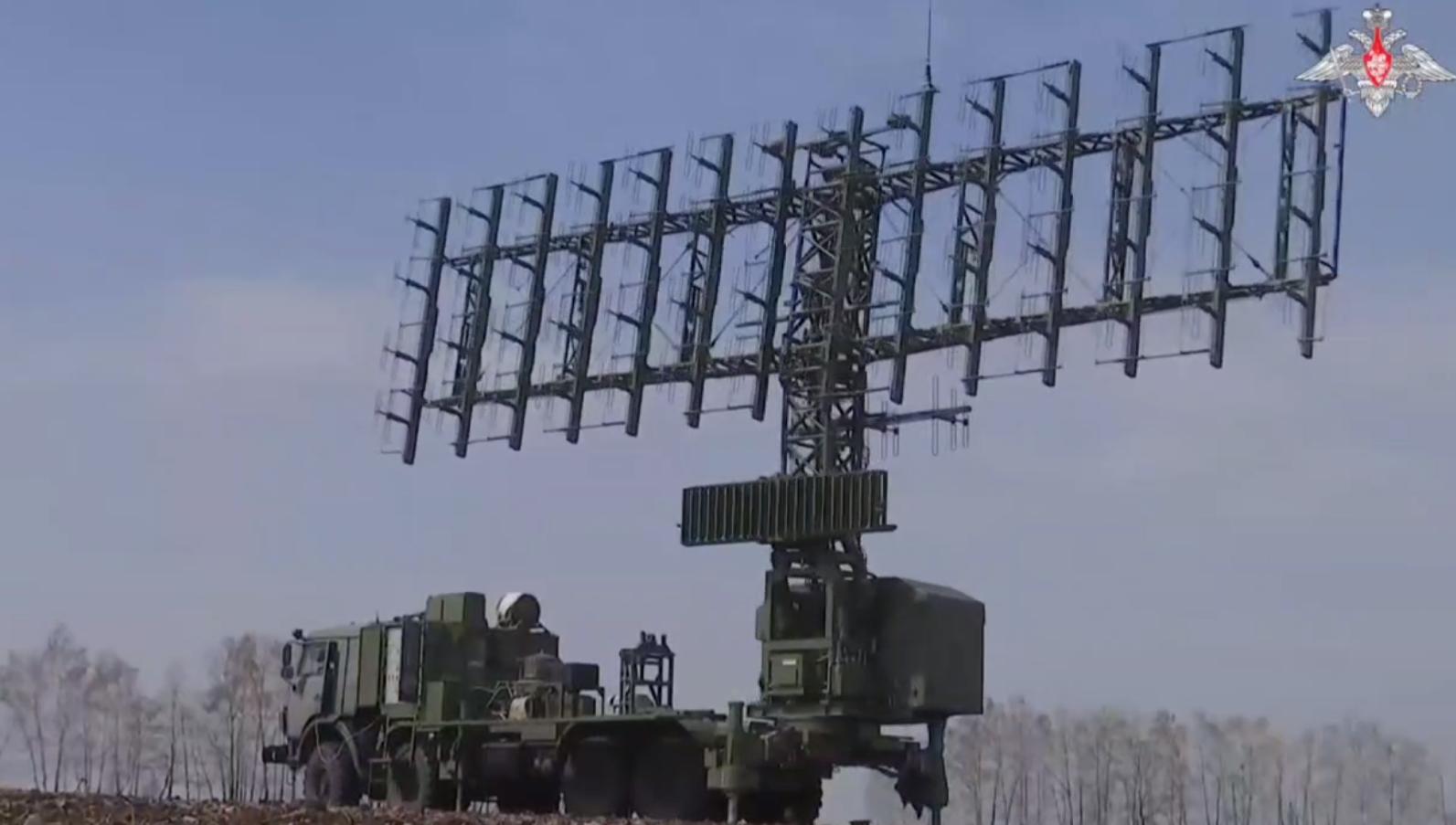
The analyst clarified that targets with an RCS of 0.1 m², such as ATACMS, are detected at a distance of 120-130 km. The height of the tracked targets is up to 65 km. The maximum speed of the tracked targets is 1500 m/s (5400 km/h).
Earlier www1.ru reported that the latest drone positioning technology has been developed for the Russian army.
Read also:
Reliable barrier: special units have been created in Russia to protect rear facilities from UAVs
Kryptonite for Baba Yaga: a unique Sokol drone interceptor with AI has been developed in Russia
Never miss our newsAdd this site to your preferred sources to see us more oftenAdd on Google