Russian "Grad" and "Tornado-G" multiple launch rocket systems can become high-precision weapons thanks to a small modification. Military expert Evgeny Damantsev spoke about the capabilities of the systems.
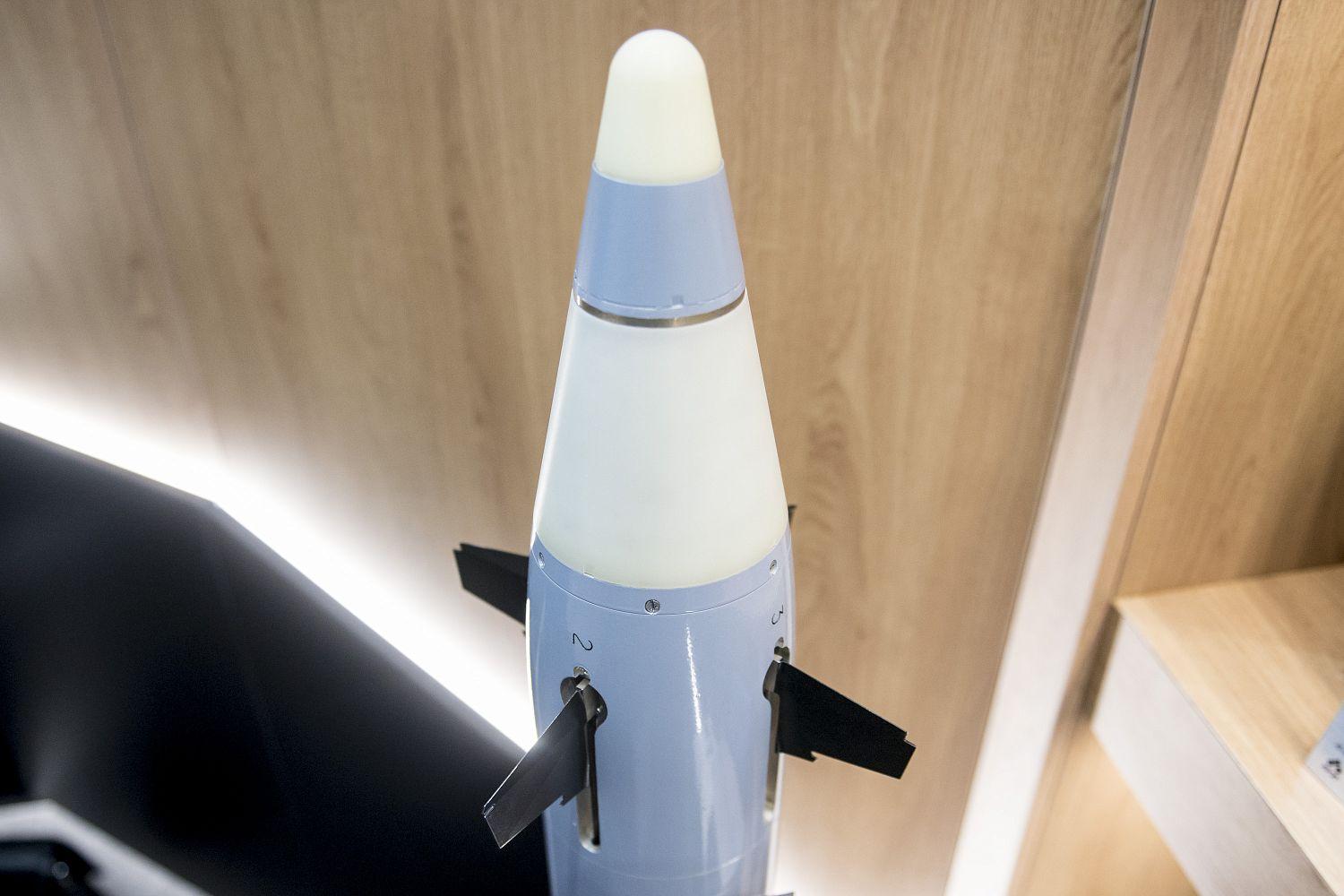
He called for equipping the systems with OU-122 guidance modules, the component base of which was developed by JSC "MKB "Kompas" and is similar to the modules for 300-mm long-range guided missiles 9M544/549 MLRS "Tornado-S" with a range of up to 120 km.
Due to design features and weight and size parameters, this module is easily unified with most 122-mm rockets of the 9M22U / 9M521 family, providing a slight increase in flight range due to the additional bearing qualities of aerodynamic rudders.
The accuracy of rockets used in the Grad and Tornado-G multiple launch rocket systems, thanks to the use of the OU-122, is comparable to the accuracy of the 9M544/549 missiles designed for the Tornado-S MLRS. This complex is equipped with a unique platformless inertial navigation system, a GLONASS correction module and a servo drive unit that controls aerodynamic rudders.
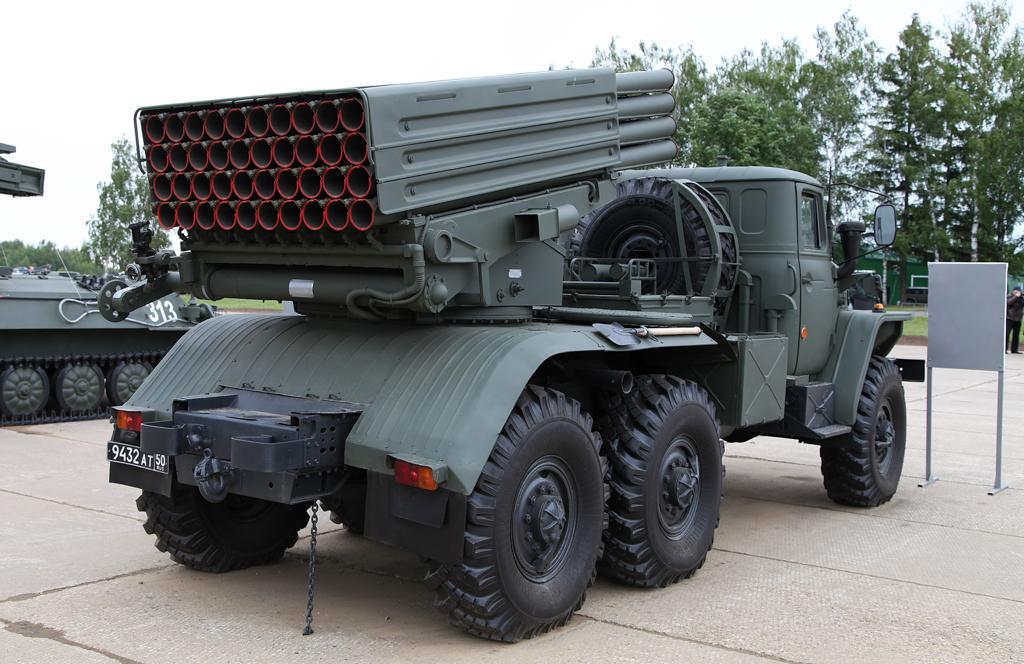
The OU-122 guidance system allows you to automatically determine the location and optimal trajectory for 122-mm MLRS rockets. This improves the accuracy of following a given trajectory up to 10 meters over the entire flight range of the projectile.
The device is installed on a standard fuse immediately before combat use. No modification of the projectile is required. Preparation time for launch is no more than 10 minutes.
Earlier on the Web powerful footage of the combat work of the Msta-B artillery unit appeared.
Read more materials:
Sees 150 km ahead: what is the newest ground-based Irbis radar for the Russian army capable of
How the Kornet anti-tank system will play the role of air defense thanks to the unique 9M133FM-3 missile
Never miss our newsAdd this site to your preferred sources to see us more oftenAdd on Google

















