Russian military personnel are using a new UMPB D-30SN munition (universal interspecific gliding munition with a diameter of 30 centimeters). It turned out that the American Stinger MANPADS cannot intercept it, writes Bulgarian Military.
Russian troops are experimenting with D-30 SN gliding munitions. Their flight range has increased to 80 kilometers.
The weight of the munition is 300 kg, and the speed reaches 1000 km/h. The main feature of the D-30 is the absence of an engine - after being dropped, it glides to the target.
Using inertial guidance and trajectory correction, the munition accurately hits the target. The D-30 deviates by no more than 50 meters, which is comparable to the heavier FAB -250/500.
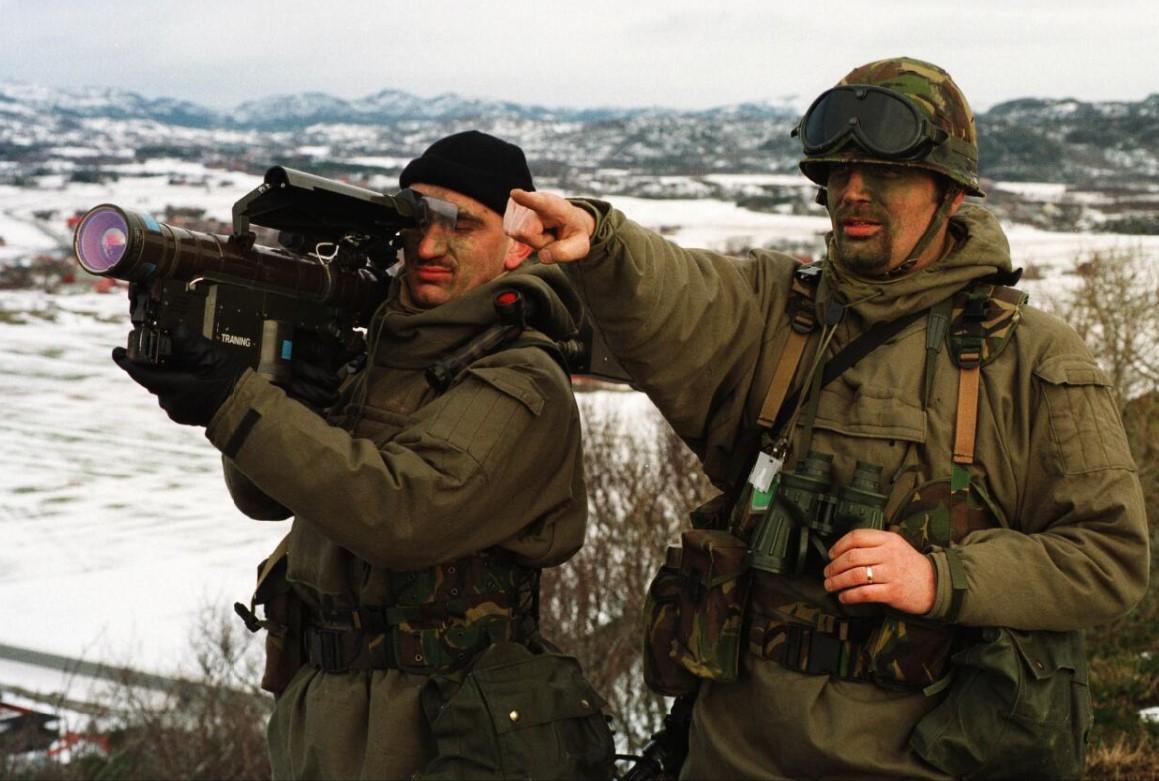
Why can't the Stinger MANPADS intercept the D-30?
D-30 gliding bombs do not have a thermal signature (infrared energy emitted by an object). This seriously limits the capabilities of the Stinger MANPADS, since it captures a target that emits thermal energy.
If the bomb does not have a thermal signature, the Stinger MANPADS becomes useless.
The use of the D-30 munition by Russian military personnel forces their enemy to revise their air defense strategy.
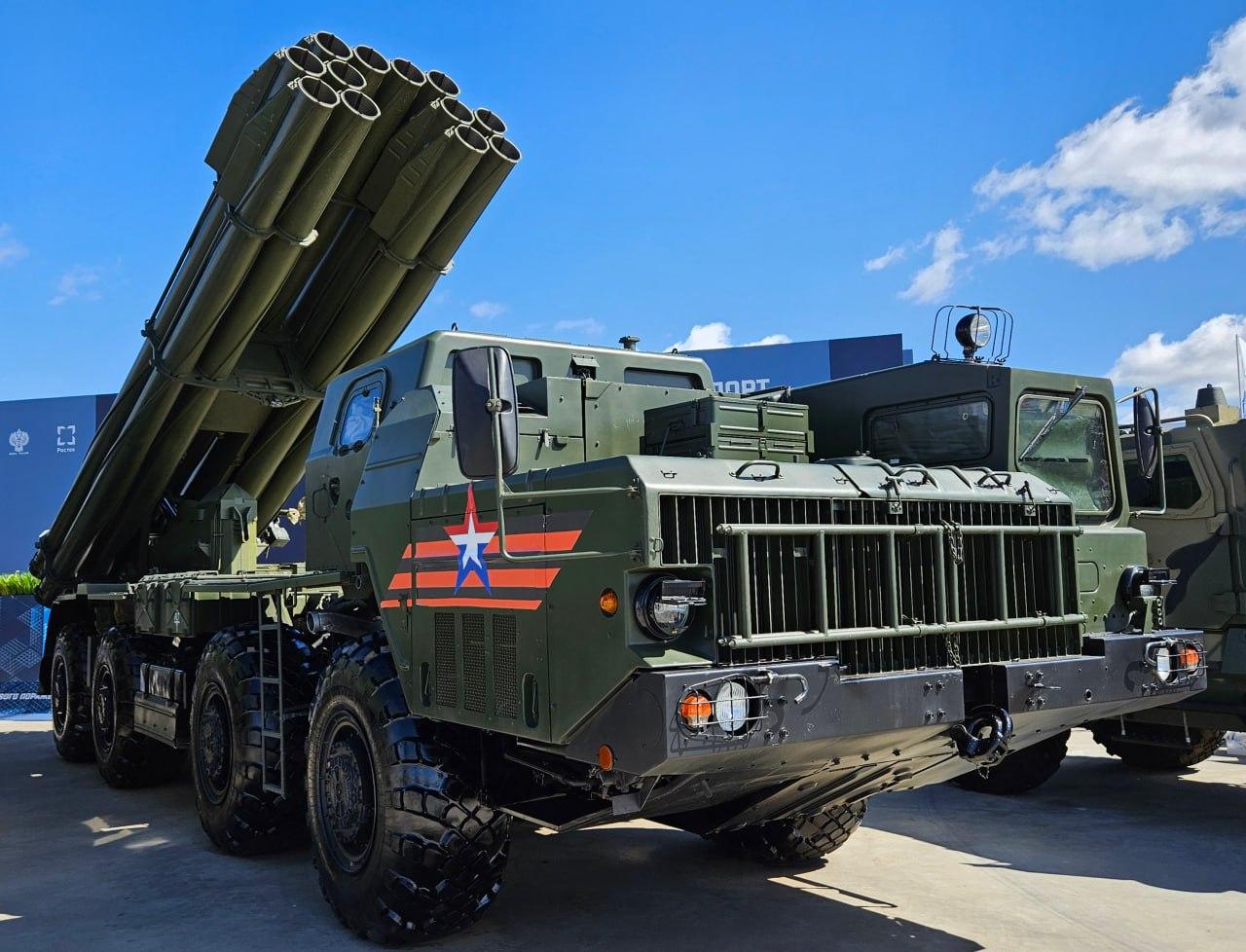
About the D-30 munition
There is little information about the D-30SN in open sources. The media writes that it can be launched from Su-34 aircraft, multiple launch rocket systems (MLRS) Smerch and Tornado-S.
The munition is a unified module with folding wings, a guidance and correction system, and tail assembly. It is equipped with a Kometa-M antenna.
Read more on the topic:
Copy of Western development?: Russian aircraft UTS-800 compared to Austrian DART
Never miss our newsAdd this site to your preferred sources to see us more oftenAdd on Google

















