The appearance of the Iskander-1000 operational-tactical missile system will pose a serious threat to F-16 fighters stationed at airbases. At the same time, the American satellite networks HBTSS (Hypersonic Ballistic Tracking Space Sensor, being developed by the Missile Defense Agency to eliminate hypersonic threats) and PWSA (Proliferated Warfighter Space Architecture satellite constellation, which is being created by specialists from the US Space Development Agency) will not be able to recognize launches of Iskander-M and Iskander-1000, therefore, military personnel will react to any launches. This is stated in the article "Future Russian missiles: more range, more destruction, more danger for Europe" by Army Recognition.
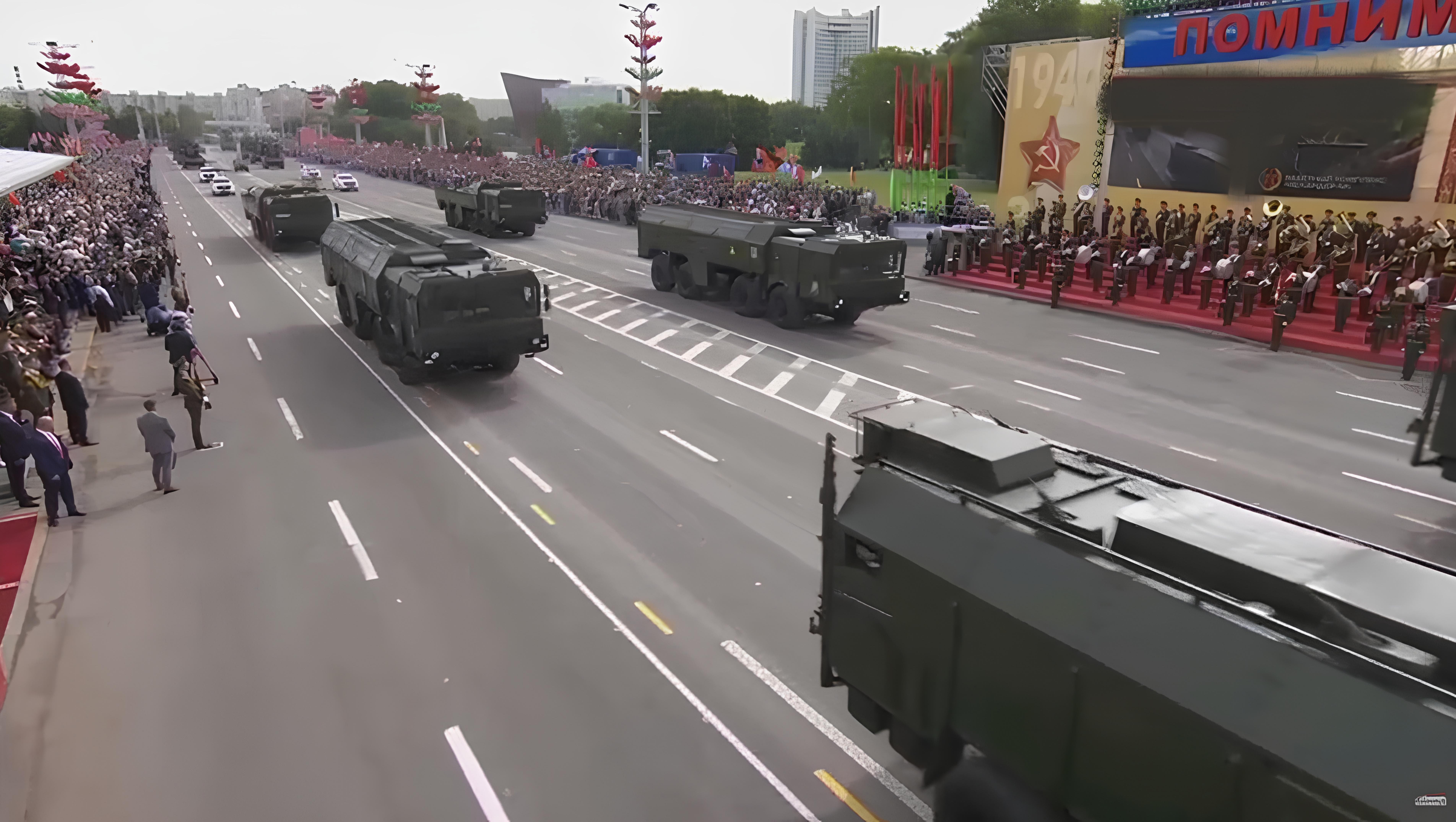
Journalists of the publication believe that this will lead to wear and tear of equipment and unmasking of permanent deployment locations of aircraft. At the same time, Army Recognition saw a threat in the Kinzhal aviation complexes.
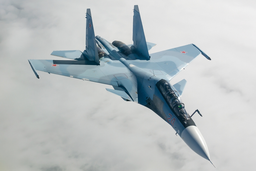
The Kinzhal-M missile, along with the Iskander-M, will become the main means of delivering deep strikes against enemy aircraft and helicopters stationed at airbases, HIMARS launchers, artillery systems, and clusters of armored vehicles.
As for the Kinzhal-MD, it is considered the main threat to medium-range ballistic and cruise missiles installed on stationary or slow-moving enemy batteries.
9-A-7660 Kinzhal — Russian hypersonic aviation missile system. 9-S-7760 missiles are capable of hitting stationary objects and surface ships. It is called the aviation version of the Iskander complex.
Read more on the topic:
The first stage of exercises with the use of non-strategic nuclear weapons has started in Russia
Which countries have conducted nuclear exercises in the past week
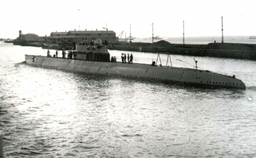
The US was frightened by the Russian Antei submarines carrying Poseidon drones with nuclear warheads