Why "Gosuslugi" Requires Installing Max Messenger When Logging in From a Computer
Ministry of Digital Development Announces Gradual Abandonment of SMS Codes
Ministry of Digital Development Announces Gradual Abandonment of SMS Codes
Over 44,000 cases of smartphone infection with "NFC Trojans" were recorded in the third quarter of 2025

The solution provides for a "cooling-off period" for real estate transactions and the return of the apartment - only after full compensation to the buyer

The system is already being tested in Tatarstan
Experts from the Ministry of Internal Affairs explained how to recognize fake track numbers, reviews, and fake websites

The company urged people not to fear data leaks
The scheme of fraudsters with gifts has become more sophisticated

It is not recommended to enter passwords, codes from SMS and bank details into forms provided in the messenger

The agency pointed to insufficient content moderation on the platform
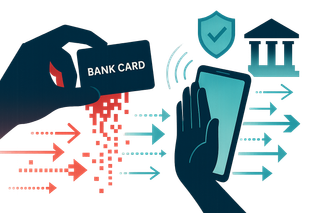
Blocking the card, filing an application with the bank and contacting the police are three steps to recover stolen funds
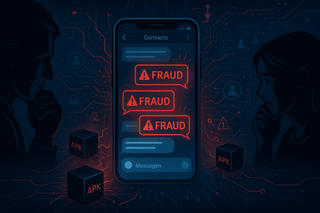
Fraudsters send malicious files or ask to transfer money to them
The measure will be included in the second package of "Anti-Fraud", which will be submitted to the State Duma before the end of 2025

More than 40 regions have experience in online voting in elections

Senator Sheikin: It is necessary to develop new measures to protect information
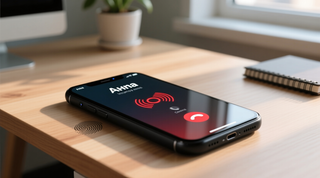
Criminals called one subscriber more than 26,000 times