Hackers attempted to breach Rutube more than 1 billion times in 2025
And 3.5 million phishing attacks were also repelled
And 3.5 million phishing attacks were also repelled

The mailings look very convincing, experts emphasize

If the document is adopted, operators will not be liable for disruptions caused by security measures
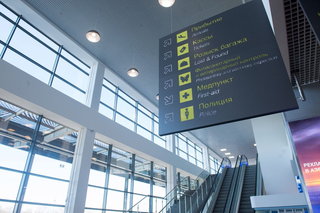
A number of airlines have limited passenger and baggage check-in

Fraudsters have mastered a new scheme for stealing personal data

Criminals offer potential victims to participate in the investigation of the "murder"
Demand for circumventing blocking is growing, despite new restrictions

The initiative was proposed by the head of the Ministry of Digital Development, Maksut Shadaev

Authorities to Allocate $2.27 Billion for Blocking Banned Sites
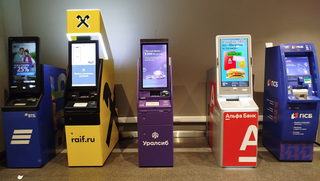
Expansion of criteria for suspicious transactions under Federal Law No. 161 led to mass restrictions