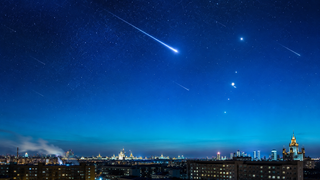
Six Planets Will Be Visible on the Night of the Perseid Meteor Shower on August 12-13
Parade against the backdrop of falling stars: Solar System objects will rise one after another
Parade against the backdrop of falling stars: Solar System objects will rise one after another
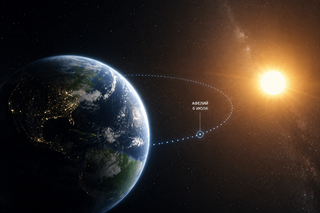
The star's disk will lose 3% of its diameter, the difference is only visible in professional photos
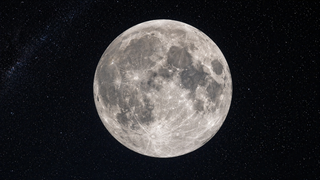
The sky will offer a rare "encore" at the very end of spring
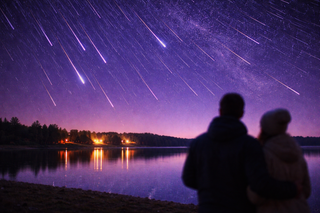
The brightest flashes can be seen over the next few nights
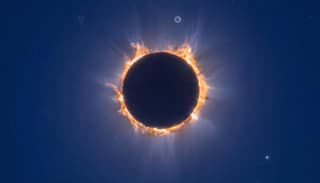
The Sun and Moon will be in the constellation Aquarius during the eclipse
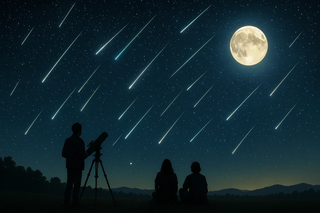
This year, the maximum flow is expected on August 13 - astronomers predict up to 100 meteors per hour
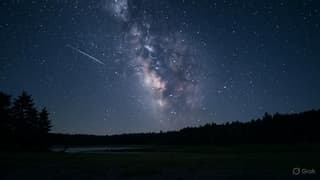
The meteor shower will peak on the night of July 31
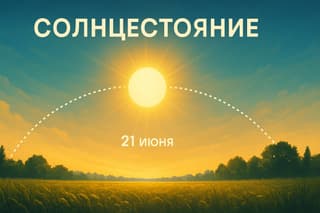
In Moscow, daylight will last a record 17 hours and 33 minutes
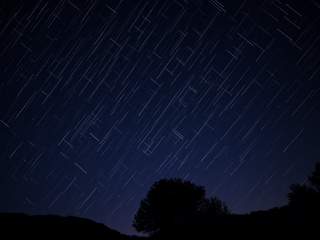
In clear weather, fast and bright meteor flashes will be visible in the sky
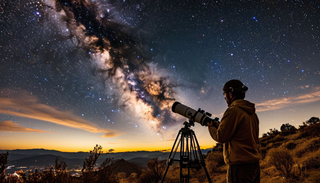
Mercury, Saturn, Uranus and Neptune will be temporarily unavailable for observation
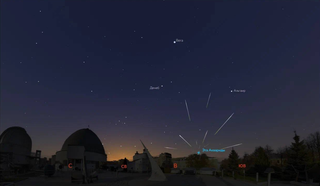
The Eta Aquarids Meteors Owe Their Existence to Halley's Comet, Observed in 1986
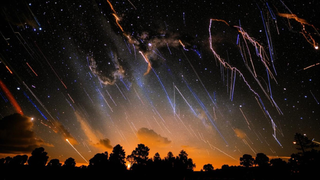
An unusual phenomenon can be observed with the naked eye
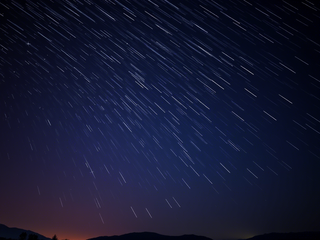
The meteor shower can be observed annually in April. This year, the Lyrid shower will be active from the 16th to the 25th
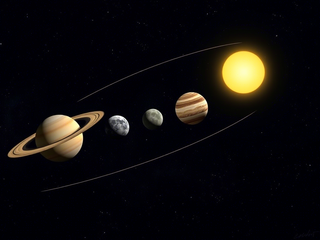
Saturn, Mercury, Neptune, and Venus will gather on one side of the Sun on February 28
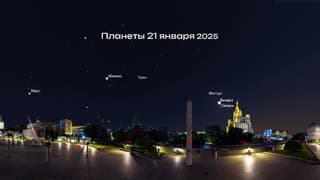
As many as six planets could be seen in the sky after sunset - Venus, Saturn, Jupiter, Mars, Neptune, and Uranus