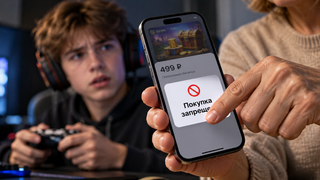
The Russian Ministry of Internal Affairs warned about a fraudulent scheme that begins with an unexpected receipt of money to a bank card. Soon after the transfer, a stranger calls or writes to the person, claiming to have sent the funds by mistake, and asks for them back. However, such a request may conceal fraudsters trying to deceive the recipient or involve them in illegal financial operations.
The main alarming sign is the demand to transfer money to other details, different from the sender's account. At the same time, fraudsters may rush the person, threaten to contact the police or court, and even accuse them of theft. The Ministry of Internal Affairs emphasizes that such psychological pressure should raise suspicions.
In some cases, fraudsters offer an unusual deal: to keep part of the allegedly mistakenly received amount, and transfer the rest to the specified account. In this way, they may try to use the person to move dubious funds, concealing their origin.
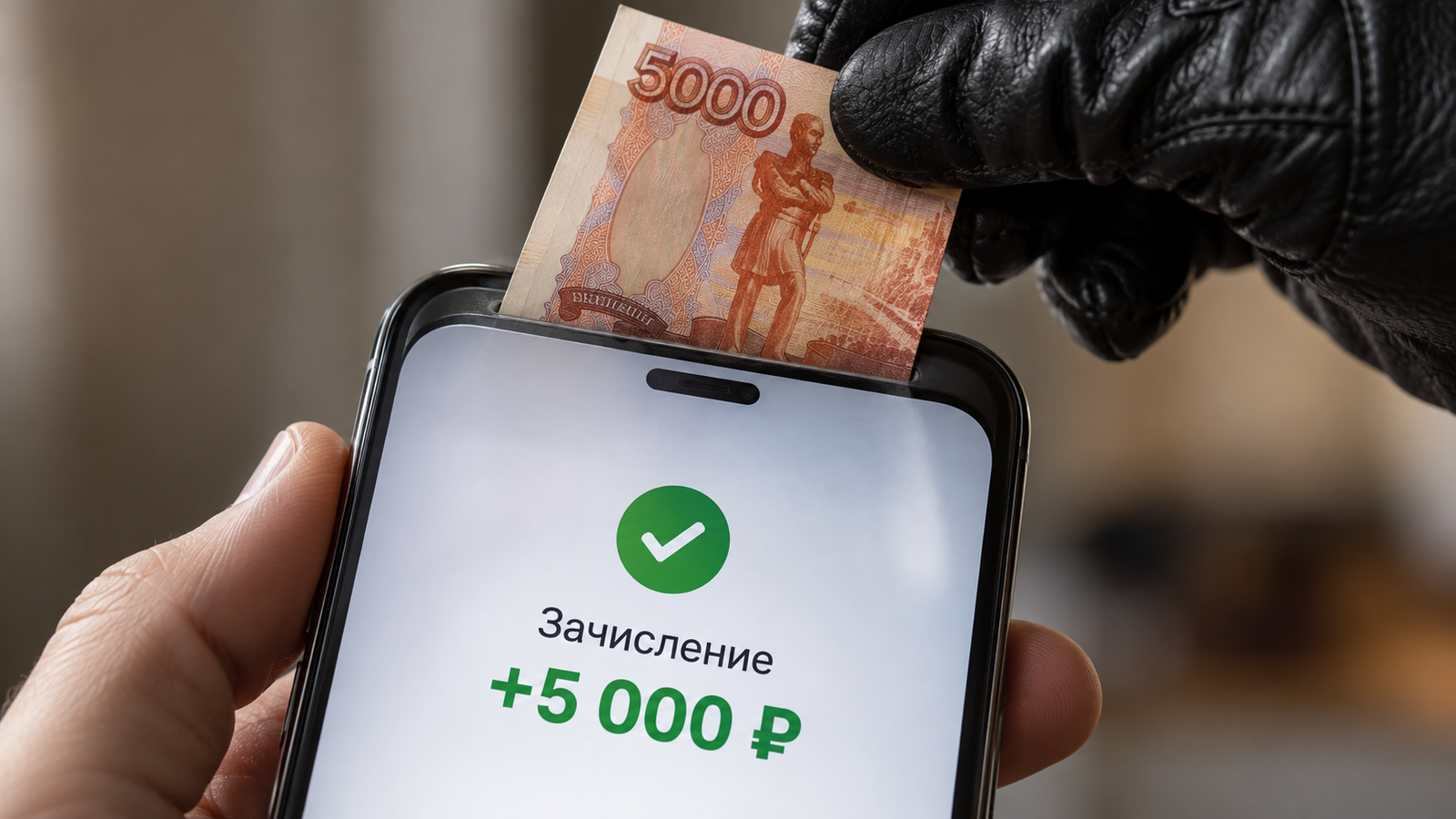
There is another variant of deception, where no transfer actually occurs. Fraudsters send a fake SMS, imitating a bank notification of money crediting, and then demand the return of a non-existent payment. If the recipient does not check the balance and transaction history, they risk sending their own funds to criminals.
Law enforcement officials recommend being wary of unexpected transfers and requests from strangers. If money has indeed been received, it should not be spent or independently sent to the specified details. It is safer to contact the bank and arrange a return through the official procedure, so that the funds are returned to the original sender.
Read more on the topic:
Never miss our newsAdd this site to your preferred sources to see us more oftenAdd on Google