Your smartphone may store data that fraudsters can use to access accounts, forge documents, or blackmail you. The Russian Ministry of Internal Affairs advises against keeping passport and driver's license scans, TIN, social media and banking app passwords, and intimate photos on your phone. This is stated in the agency's materials.
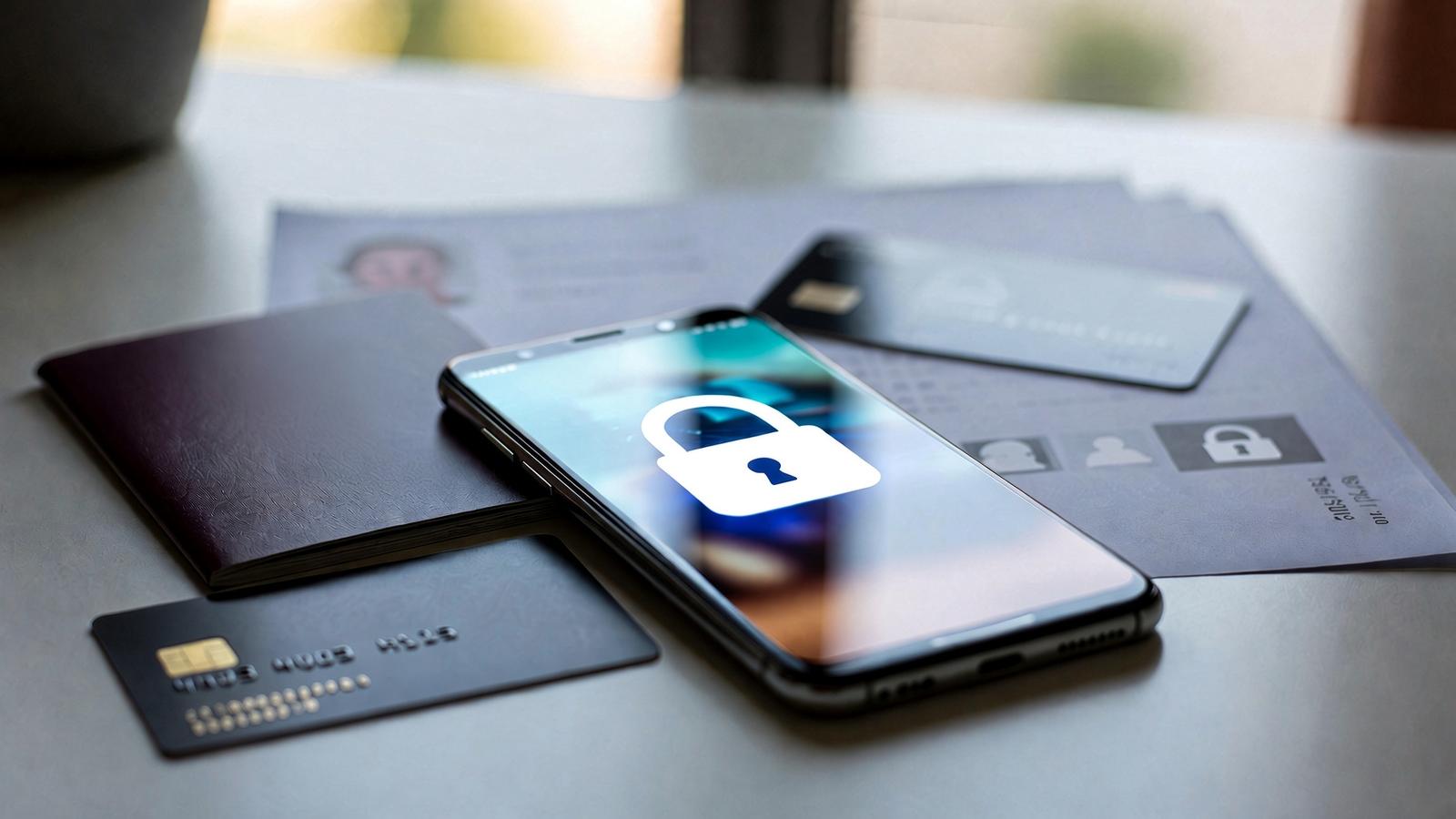
Copies of documents, including passports, SNILS, TIN, driver's licenses, and bank cards, pose a particular danger. According to the Ministry of Internal Affairs, attackers can use them to gain unauthorized access to accounts, create fake documents, or employ social engineering methods — manipulating a person to achieve desired actions.
For storing documents, the Ministry of Internal Affairs recommends using secure cloud storage with two-factor authentication. This adds another verification step when logging into an account. However, this measure alone does not guarantee absolute data protection.
A separate risk — passwords saved in the browser
The agency advises storing records offline. It is also recommended to delete messages about money receipts, transfers, and account balances from your phone: these can reveal a person's financial habits and income.
At the same time, the Ministry of Internal Affairs advises against saving bank card numbers, PIN codes, addresses, and answers to secret questions on your smartphone. Caution is also needed with photos: the leakage of intimate images can lead to blackmail or extortion attempts.
Another recommendation is to delete unnecessary contacts, transfer important ones to a secure backup, and not record personal information in contact notes. The less sensitive data available to an outsider along with the phone, the fewer opportunities there are to use it against the owner.
Read more on the topic:
Never miss our newsAdd this site to your preferred sources to see us more oftenAdd on Google