Russian civil servants are increasingly being attacked via removable media — USB drives, disks, and memory cards. The number of such attacks has increased by 25%, Kaspersky Lab told TASS. Attackers are betting on local methods of malware distribution.
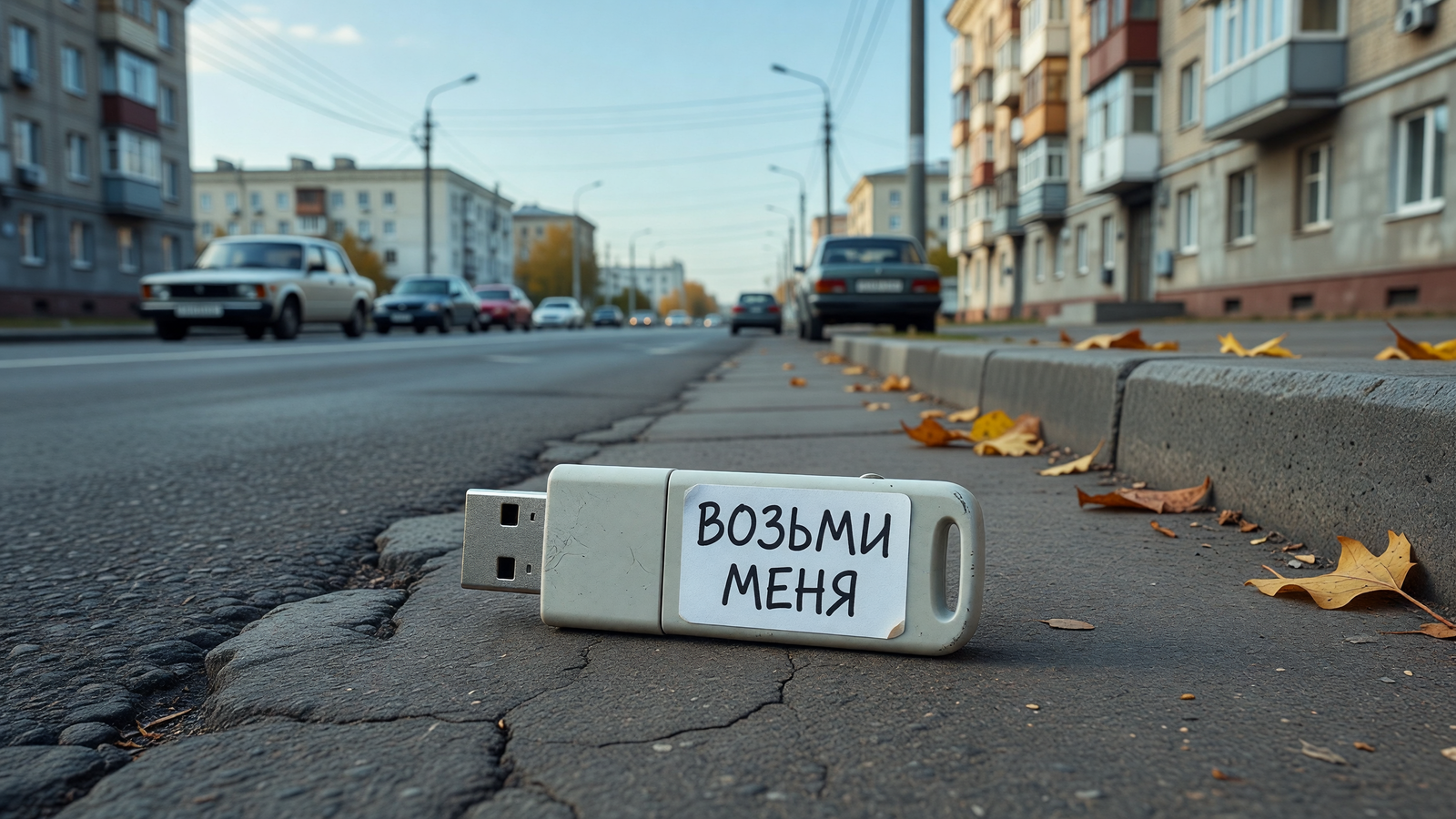
The company compared the second half of 2025 and the first half of 2026. Attacks via removable media — disks, flash drives, hard drives, or memory cards — are only part of the local vectors. The background was the strengthening of web filtering in government organizations. The goal of attackers is to bypass network security tools. Local vectors do not depend on network gateways and antivirus filters at the perimeter.
A USB drive bypasses the network perimeter: malware does not go through the internet gateway, but gets into the machine by an employee. The public sector has strengthened traffic filtering, so attacks have shifted to physical media. An ordinary person can pick up an infected USB drive on the street, warned a source in the information security market. The ban on removable media and port control complicate the attack, but do not completely close it off.
Read more on the topic:
Never miss our newsAdd this site to your preferred sources to see us more oftenAdd on Google