The Bank of Russia has published instructions for entering the regulated crypto market. Both acts come into force on October 5. Three types of organizations are granted the right to operate: digital currency exchangers, digital depositories, and information system operators.
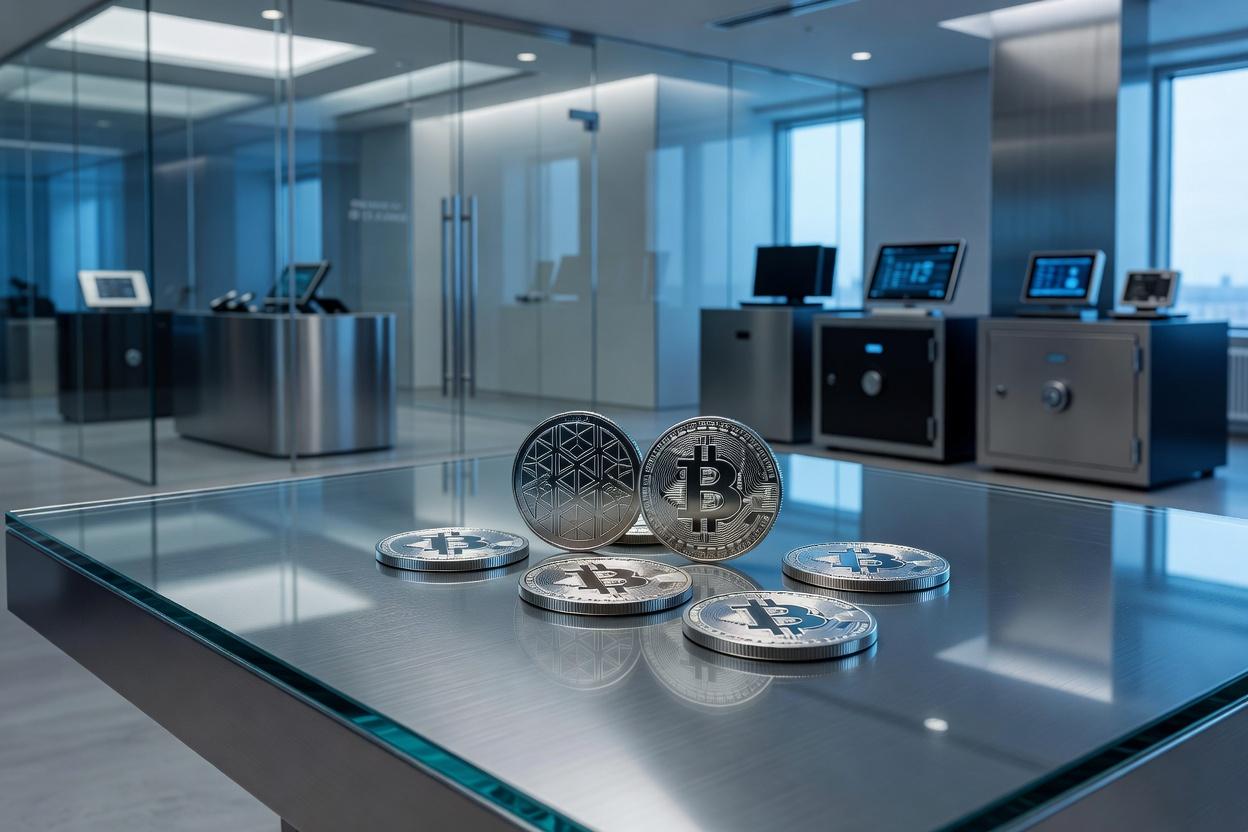
Crypto exchangers – according to the document – are effectively regulated OTC dealers who buy and sell cryptocurrency on their own behalf and at their own expense outside an exchange. The minimum capital is 15 million rubles. Depositories store and account for assets, maintain digital accounts, and provide access to wallets. Capital requirements here depend on the model – from 50 to 250 million rubles. Information system operators issue and service digital rights; if they conduct settlements through a nominal account, 50 million in authorized capital and 50 million in own funds are required.
Legally, these are not licenses, but inclusion in the Central Bank's register. However, the procedure is similar to licensing: the regulator checks owners, management, capital, internal control, and IT infrastructure.
For depositories, the requirements are stricter – banking GOST IB, certified hardware modules for keys, penetration tests, and DDoS protection. Not only the operation is logged, but also the user identifier, time, result, and device.
Credit organizations and brokers can enter the register of exchangers under a simplified procedure until September 1 of next year. Existing information system operators become depositories within one business day.
Read more on the topic:
Never miss our newsAdd this site to your preferred sources to see us more oftenAdd on Google