The Russian satellite constellation "Germes" should provide a communication channel for drones at a distance of more than 200 km by the end of the year, stated the Argus-M group of companies. The developers expect to expand the orbital system by December to ensure stable data transmission and control of drones and ground robots without intermediate stations.
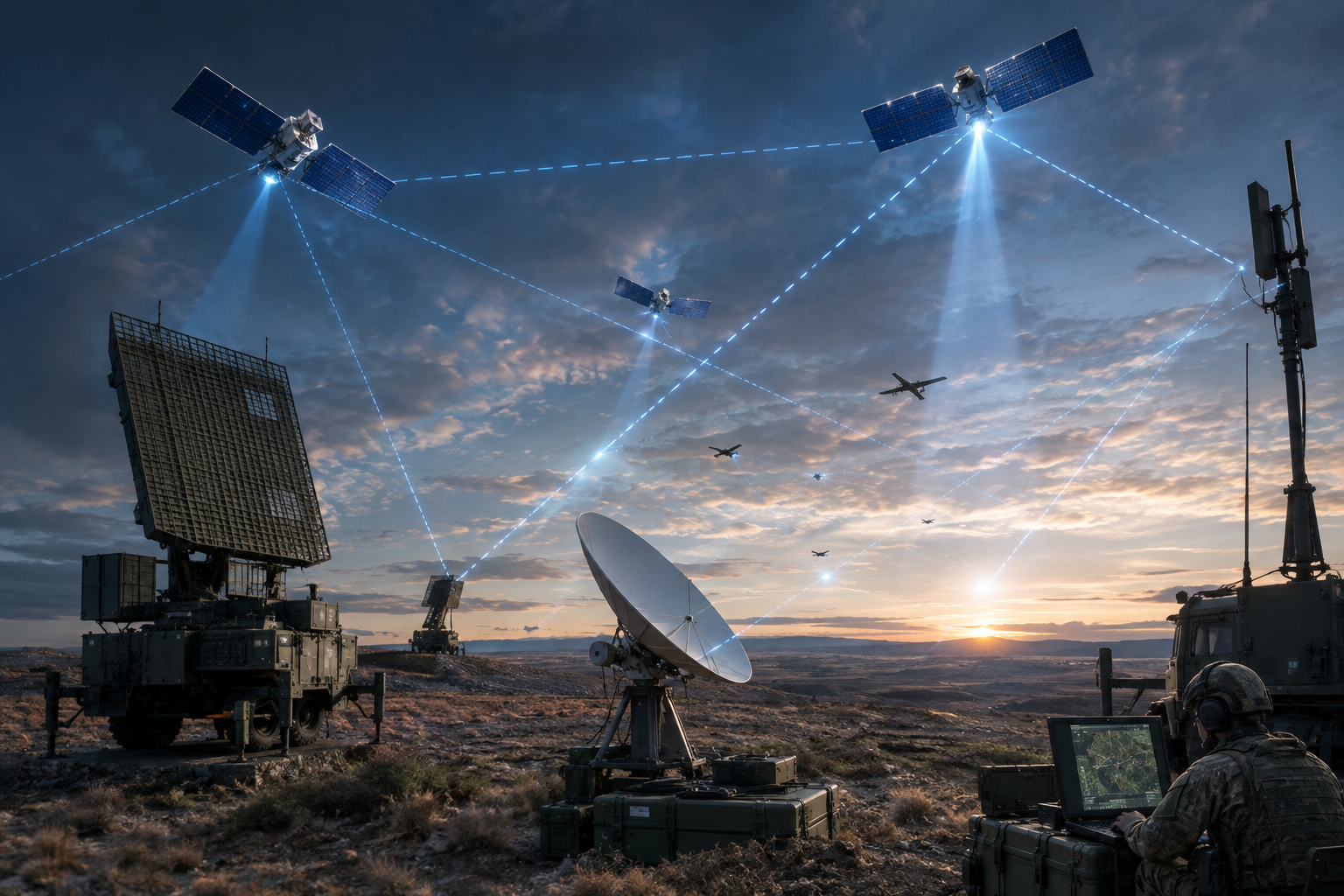
The problem that the project solves is related to the vulnerability of conventional radio channels: when operating over long distances, communication must be protected from interference and ensure rapid command exchange. "Germes" transfers part of this task to the satellite level.
According to the developers' estimates, several dozen devices will be required for full coverage of the entire application area – this is incomparable to the scale of the American Starlink system, but for a specialized drone control network, the number of satellites may be sufficient.
The first experimental "Germes" devices have already been launched into orbit by a Soyuz-2.1b rocket from Vostochny. In November, the Argus-M group plans to replenish the constellation with new satellites, which are to be launched from Vostochny and Plesetsk, and by December, the company expects to obtain a stable, secure channel for controlling unmanned systems.
The system involves direct data transmission between the device and the ground terminal, without intermediate stations, which should reduce control latency.
The "Germes" communication itself is already used as an interference-resistant channel for FPV drones, quadcopters, convertiplanes, gliders, and ground robotics.
Read more on the topic:
Never miss our newsAdd this site to your preferred sources to see us more oftenAdd on Google

















