The Indian Navy has approximately 40 carrier-based MiG-29K/KUBs, but it is the age and operational problems of these aircraft that have become one of the arguments in assessing the capabilities of the Indian carrier strike group. Former Pakistan Navy Commander Anees Muhammad Khan believes that such a composition of carrier-based aviation does not allow the INS Vikrant aircraft carrier to be considered a serious threat, although the assessment itself raises questions.
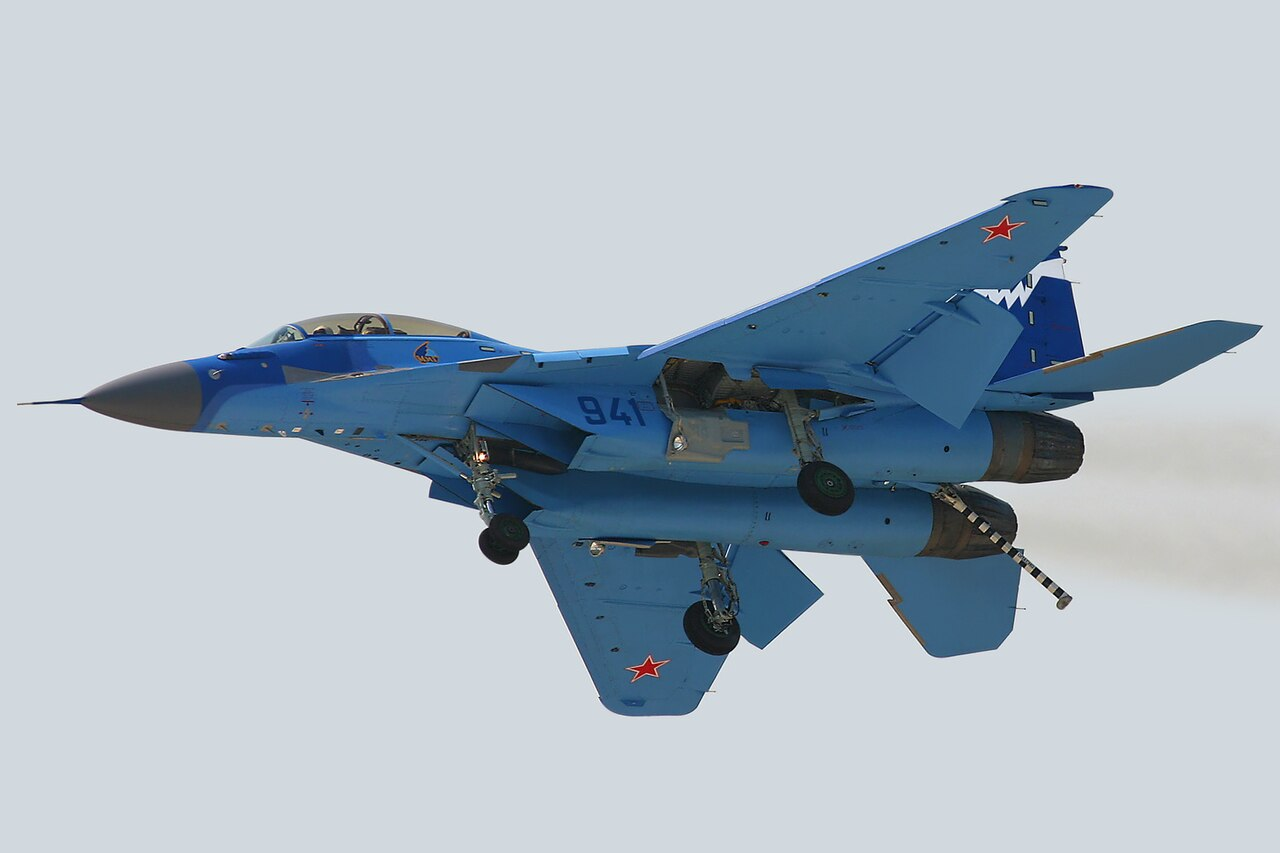
India ordered 45 MiG-29K and two-seat MiG-29KUB in two batches. According to data provided in the materials of the Indian Ministry of Defense, about 40 aircraft remain available, but their serviceability rates were previously assessed as insufficient for simultaneous full equipment of two aircraft carriers.
At the same time, the MiG-29K cannot be reduced to the role of an outdated escort fighter. It is a multi-role carrier-based aircraft capable of performing air defense tasks and striking surface targets.
In the event of a crisis, the Indian Navy is capable of concentrating a significant part of its carrier-based aviation in one direction, and the MiG-29K itself operates not in isolation, but together with escort ships, submarines, maritime patrol aircraft, and other reconnaissance assets.
The weak point remains not so much the MiG-29K's ability to conduct air or anti-ship combat, but rather the limited total number of available aircraft and their technical readiness. Therefore, the dispute around the Russian fighter essentially boils down to the question of how long India will be able to maintain the necessary number of carrier-based aircraft.
Read more on the topic:
Never miss our newsAdd this site to your preferred sources to see us more oftenAdd on Google

















