The Peter the Great Military Academy of the Strategic Missile Forces has developed a design for an unusual laser-plasma engine for spacecraft. The main feature of the propulsion system is that thrust control occurs without rotating the unit itself.
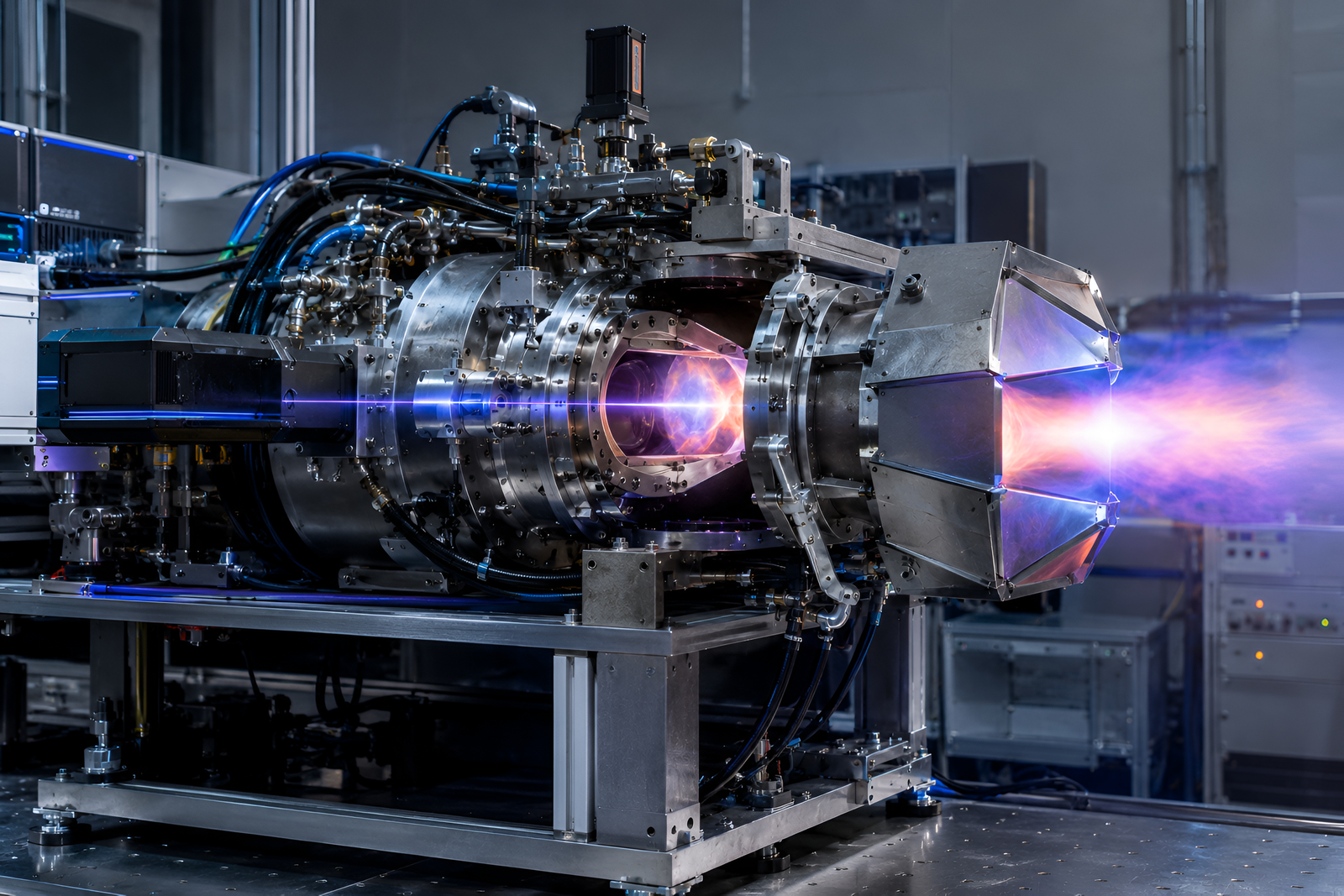
According to the designers' concept, a laser vaporizes the working fluid and creates plasma, and a special 4-faceted nozzle converts its expansion into jet thrust.
Military engineers proposed a truncated tetrahedron-shaped nozzle and a controllable mirror. It shifts the focus of the laser beam inside the engine. The plasma begins to exert uneven pressure on the walls, which changes the direction of thrust.
Thanks to this, the apparatus will be able to change the thrust vector in 3 planes. For known laser-plasma schemes, it previously required the use of at least 2 engines or a separate turning mechanism.
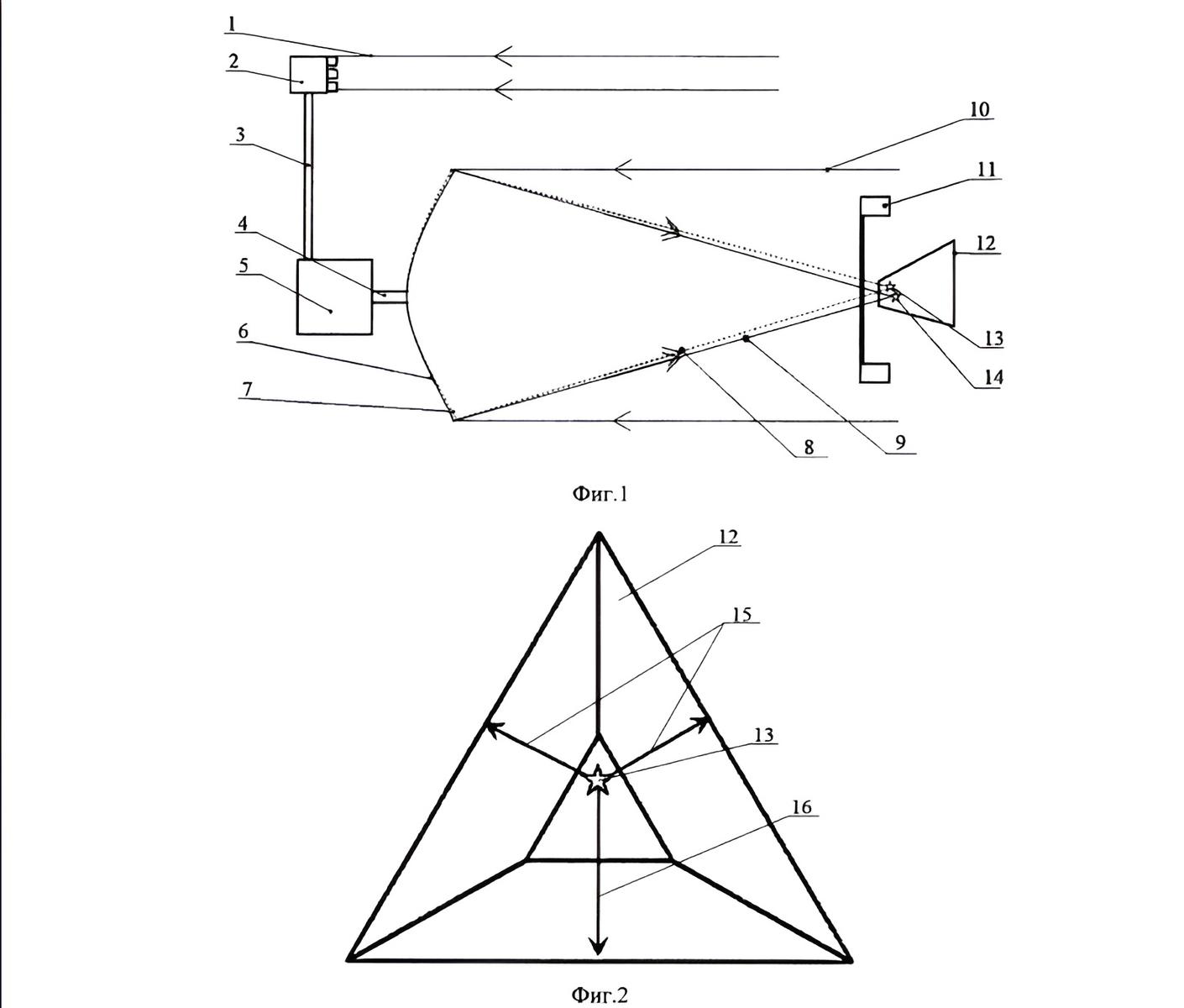
Moreover, laser radiation can come from outside, so theoretically, the laser itself with a large energy system would not need to be placed on board.
From the editors of "Pervy Tekhnichesky": The main problem with the concept of an external energy source is the scattering of the laser beam over cosmic distances, which makes it practically impossible to transmit sufficient power to a moving apparatus.
Also, maintaining the laser's focus on a sub-millimeter receiver under conditions of constant maneuvering requires guidance system accuracy currently unattainable.
Read more on the topic:
Never miss our newsAdd this site to your preferred sources to see us more oftenAdd on Google