Translated with AI from the Russian original.
Georgy Vasiliev, a developer from Kazan, proposed a scheme for a closed thermodynamic cycle engine that does not use atmospheric air as a working fluid. An external combustion chamber heats it, after which an expansion machine drives an air propeller.
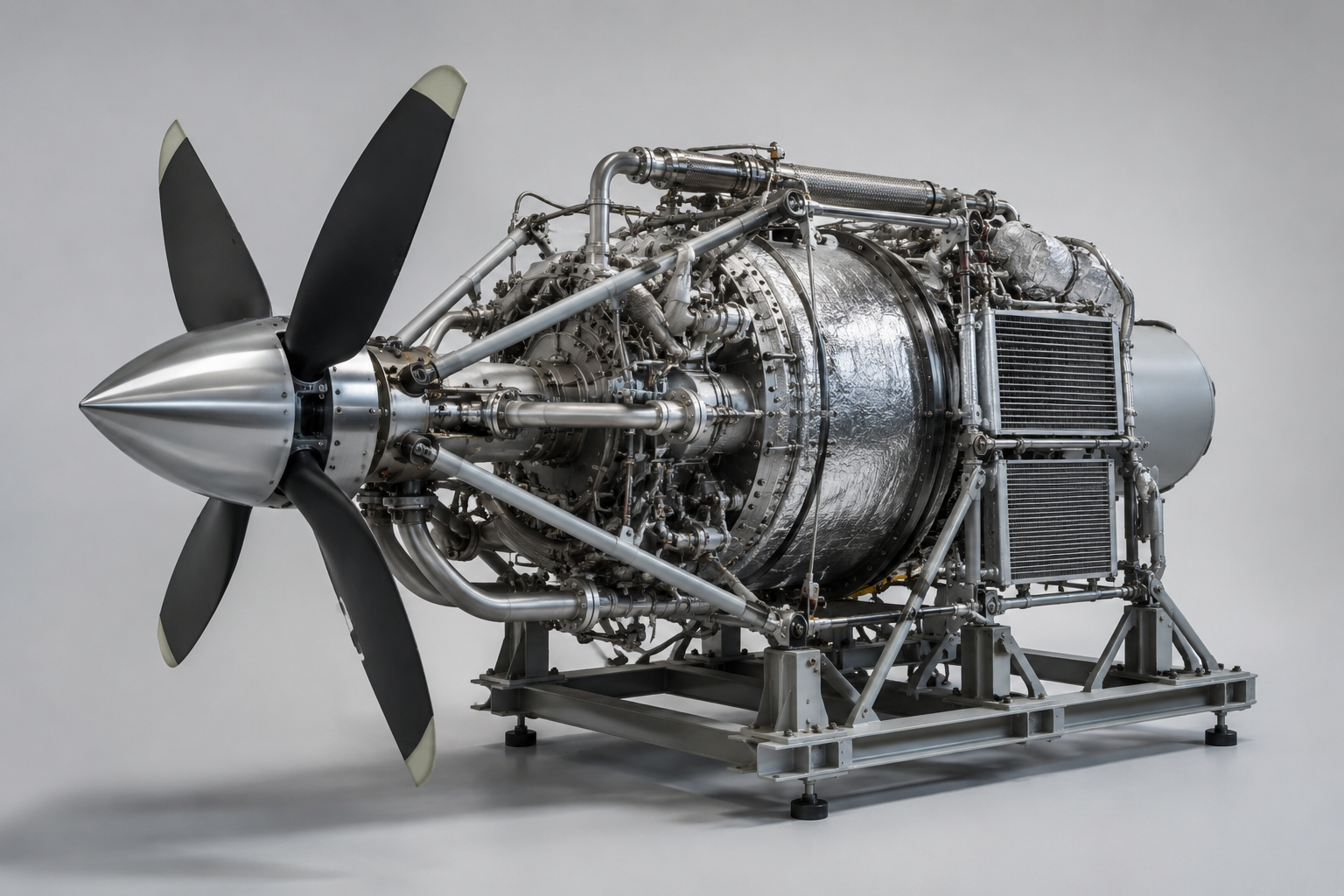
Then the working fluid passes through a condenser and returns to the cycle. For example, the patent specifies R134a refrigerant, temperatures up to 100–250 °C, and four propellers.
The main feature is that the engine simultaneously acts as a source of thrust and heat. Part of the energy is diverted through heat exchangers to the airship's envelope and can be used to heat the lifting gas. This allows controlling lift without releasing helium.
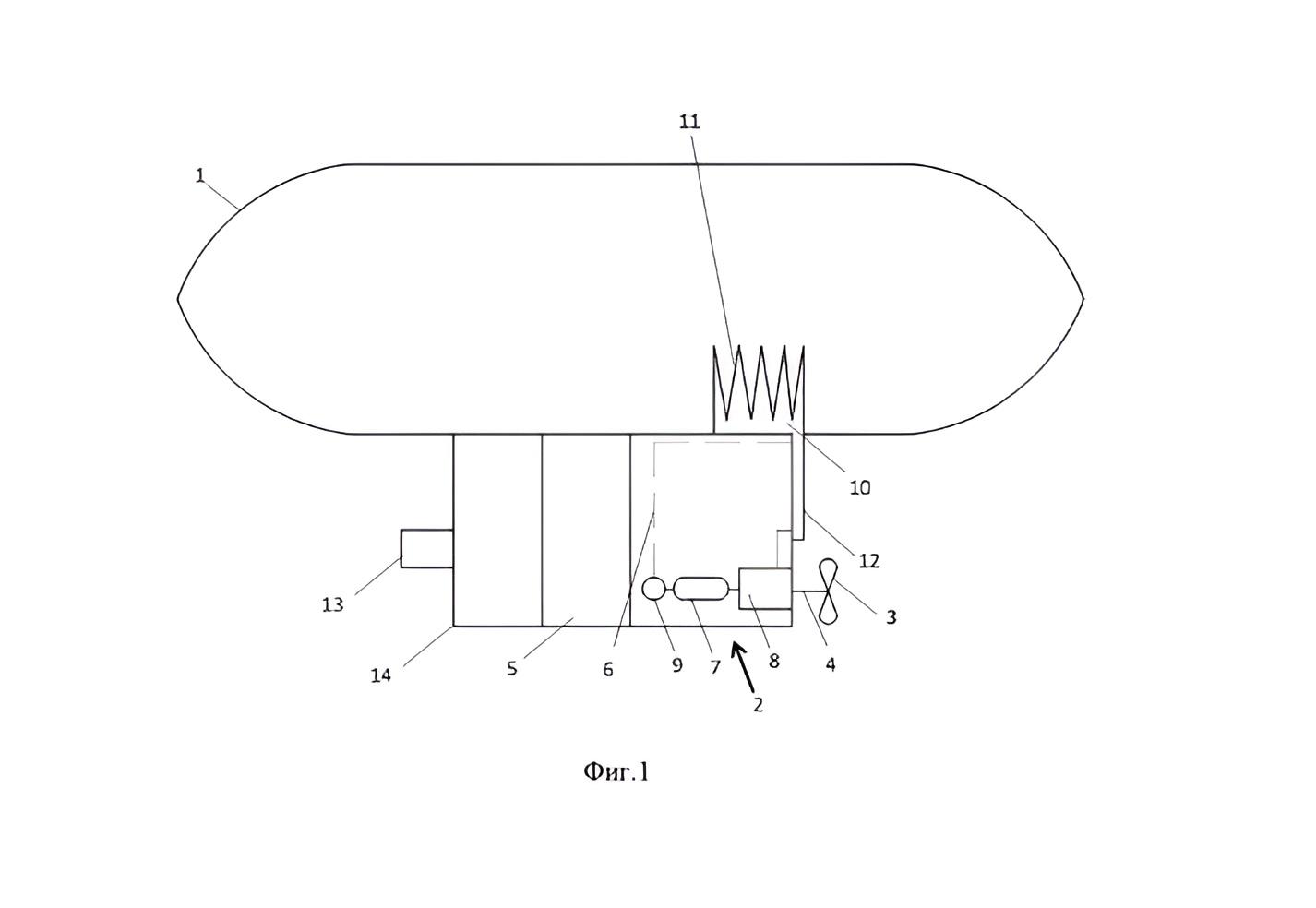
Unlike solar HAPS platforms, a promising stratospheric aircraft with such an engine will be able to operate at night and in low sunlight conditions.
At the same time, the cold stratosphere is used as an advantage — the external surfaces of the condenser should cool the working fluid without a separate heavy cooling system.
From the editors: Vasiliev's concept is based on the classic Rankine cycle, but its implementation will face serious limitations.
The main obstacles will be the oxygen deficit for the external combustion chamber and the critical difficulty of heat dissipation through bulky radiators in rarefied air conditions.
Read more on the topic:
Never miss our newsAdd this site to your preferred sources to see us more oftenAdd on Google

















