Scientists from Immanuel Kant Baltic Federal University (IKBFU) have received a patent for a utility model of a battery for mobile electric transport. The development is intended for electric vehicles, electric snowmobiles, and electric buses and solves the problem of battery operation in low-temperature conditions.

The device consists of a casing with holes, inside which battery cells are located. Heating grids made of conductive threads with added nanomaterials are laid between them – they quickly and evenly heat each cell. This allows the battery to reach operating mode faster than when using an external heater.
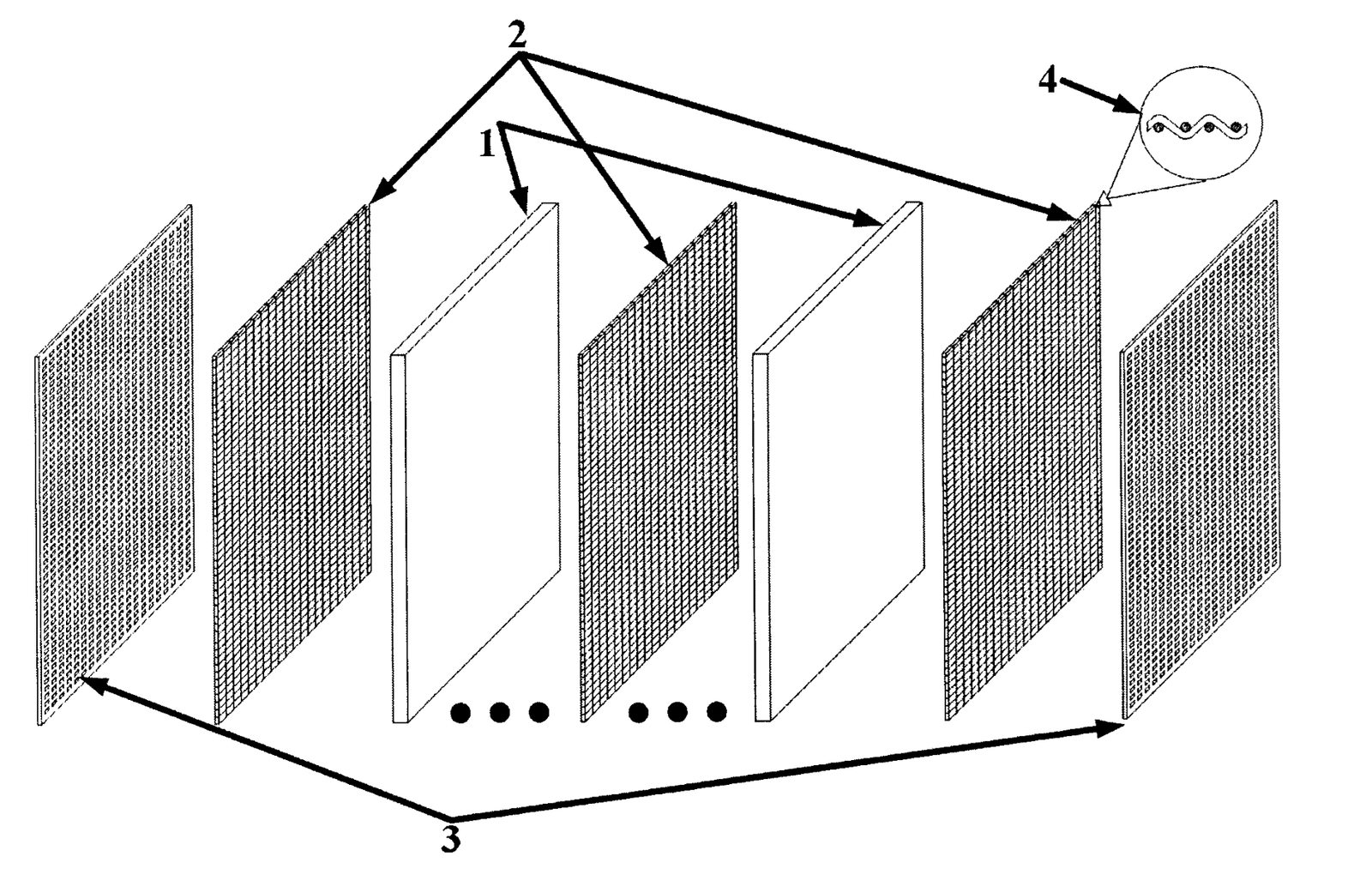
In cold weather, the heating grids turn on and warm the battery from the inside, which stabilizes its operation. When the battery heats up from its own operation, the same grids, thanks to the gaps between the threads, provide natural convection and cooling of the cells by airflow.
According to the developers, the utility model significantly increases battery energy efficiency and reduces heating time, which extends battery life and expands its application possibilities in cold climates. The development can be used in climatic zones with long winters, where the operation of electric transport is traditionally limited due to rapid battery capacity loss in the cold.
Read more on the topic:
- Following the Chinese: Novosibirsk scientists learned how to extend the service life of electric vehicle batteries
- Tungsten Oxide Against Frost: MPU Creates Electrodes That Prevent Batteries From Losing 50% Capacity In Winter
- Now the cold won't kill the battery: TPU scientists, together with colleagues from China, have created a storage device for extreme conditions
Never miss our newsAdd this site to your preferred sources to see us more oftenAdd on Google

















