A MEPhI student has improved a laser for treating gallstone disease. The new system can distinguish gallstones from soft body tissues and automatically turns off the radiation if the beam hits something other than a stone. The development is currently undergoing clinical trials.
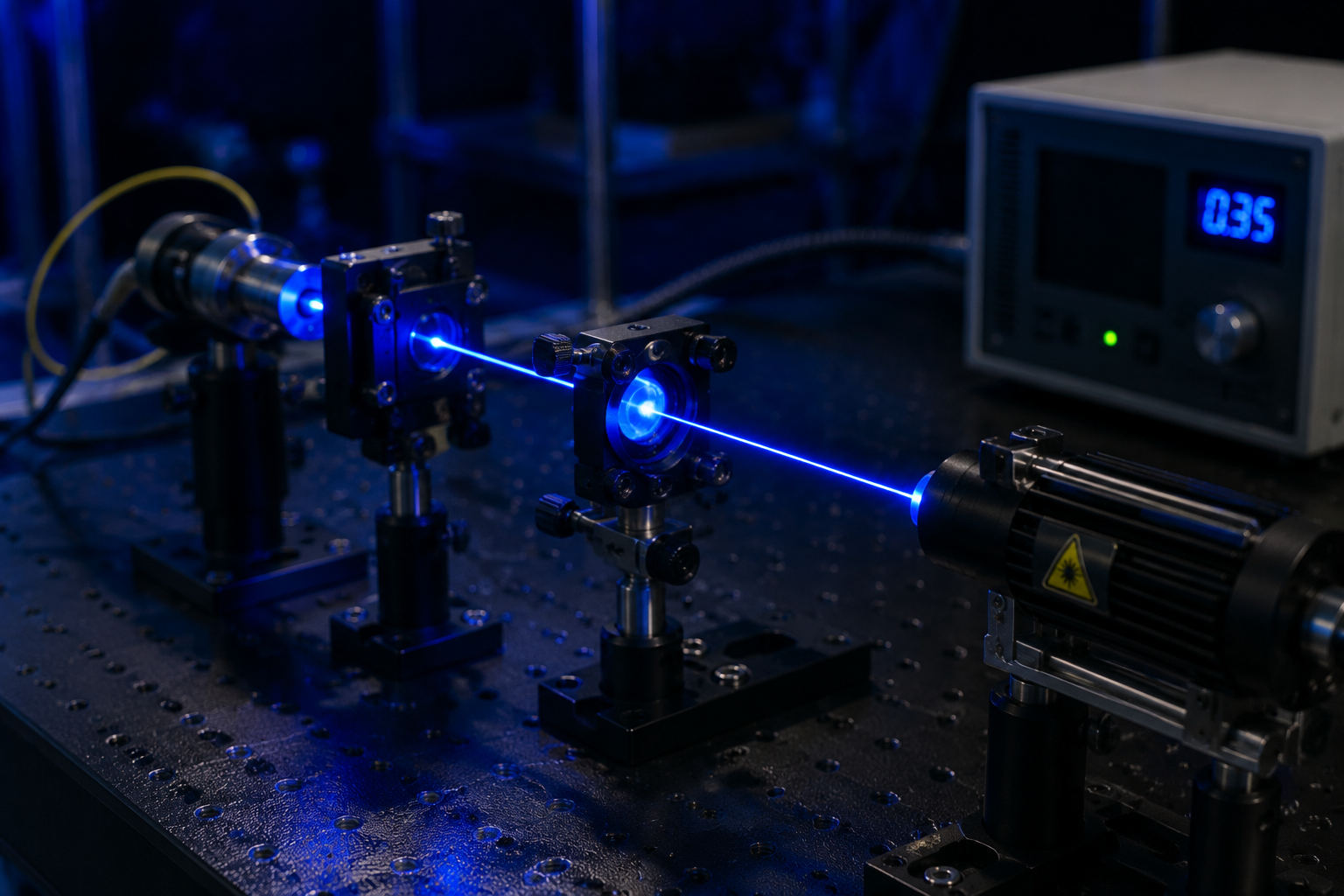
The work began with research into the possibility of using a domestic thulium fiber laser, already employed in the treatment of urolithiasis, for endoscopic operations on digestive organs. The task was to select safe laser operating modes for crushing gallstones and removing neoplasms in the intestine.
During the research, it was found that even with correctly selected modes, the risk of tissue damage could not be completely eliminated. Therefore, the student developed an optical feedback sensor. It can distinguish hard gallstones from soft body tissues, automatically stopping the laser radiation when aimed at an area that should not be damaged.
Let's say we are crushing a gallstone, it shatters, pieces fly in different directions, exposing the walls of the bile ducts. In this case, the system itself blocks the radiation! Soft tissue damage is excluded.
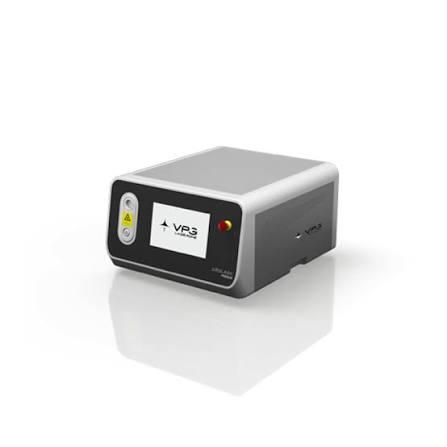
To make the treatment more effective and safer, a classification of gallstones was also carried out – specialists identified differences in their composition and spectral profile. According to the developer, the laser device with the new sensor is currently undergoing clinical trials at City Clinical Hospital No. 31 and, most likely, will be introduced into medical practice within a year. In the future, the technology could make not only gallstone removal operations but also endoscopic removal of neoplasms on the intestinal walls safer and more effective.
Read more on the topic:
Never miss our newsAdd this site to your preferred sources to see us more oftenAdd on Google