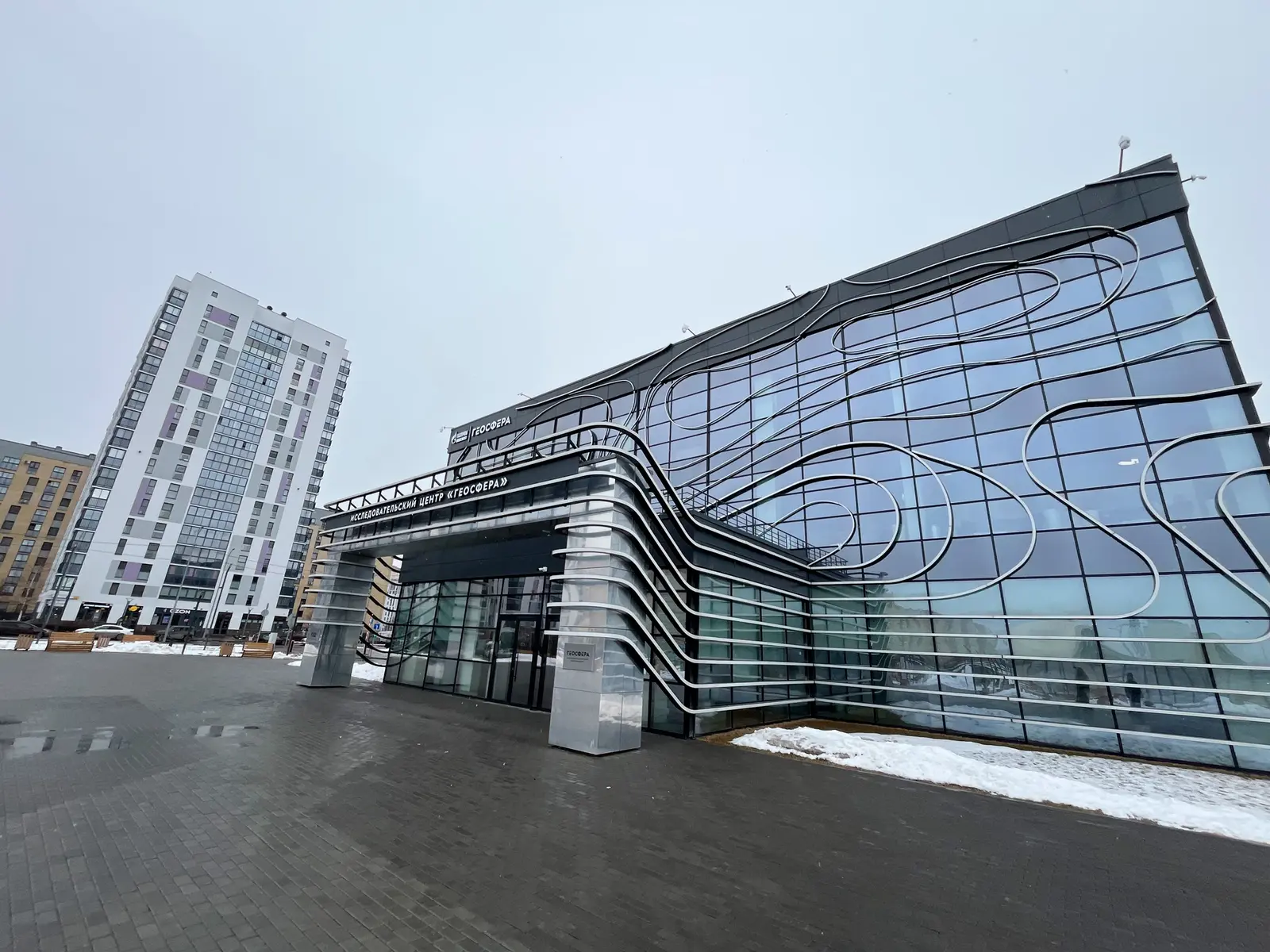
The "Geosfera" research center in Tyumen is betting on digital core twins – cylindrical rock samples extracted from a well during drilling, which serve as the most important direct source of data about the reservoir. According to a TASS correspondent, it is the digitalization of the core that allows inefficient technologies to be screened out without consuming real oil, and only the best of the tested solutions are then verified on physical samples according to GOST standards.
By 2030, the share of hard-to-recover reserves in Russia will reach 80%, and the current recovery factor does not exceed 15–30%. To increase reservoir recovery, scientists select the optimal method – gas, chemical, or hydraulic fracturing – and test it on digital twins. These are created on Tomsk-made tomographs, gradually enriching the model with data on filtration and strength characteristics.
According to Nikolay Barkovsky, head of the filtration and special core research department, approximately 80–90% of the equipment in the center's laboratories is Russian-made. The digital conveyor is served by the world's most modern robotic core storage facility with a capacity of 200 thousand linear meters. Autonomous machines deliver samples between racks and laboratories without human intervention, and robot routes are marked directly on the floor like road markings. The combination of digitalization, automation, and Russian equipment creates a unified platform for designing production at each specific field.
Read more on the topic:
Never miss our newsAdd this site to your preferred sources to see us more oftenAdd on Google


![Growth Point: After 5G Launch, Mobile Internet in Russia Accelerated by 20%","subtitle":"TelecomDaily recorded an upload speed increase of 19.7%, and download speed of almost 14%","announce":""}[]}],](https://media.ixbt.site/fit-in/320x/ixbt-data/1727896/ai-image-nvgq0a0v5cjnyxwoc8xpelva.webp)