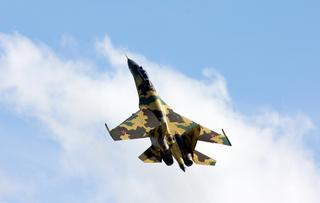
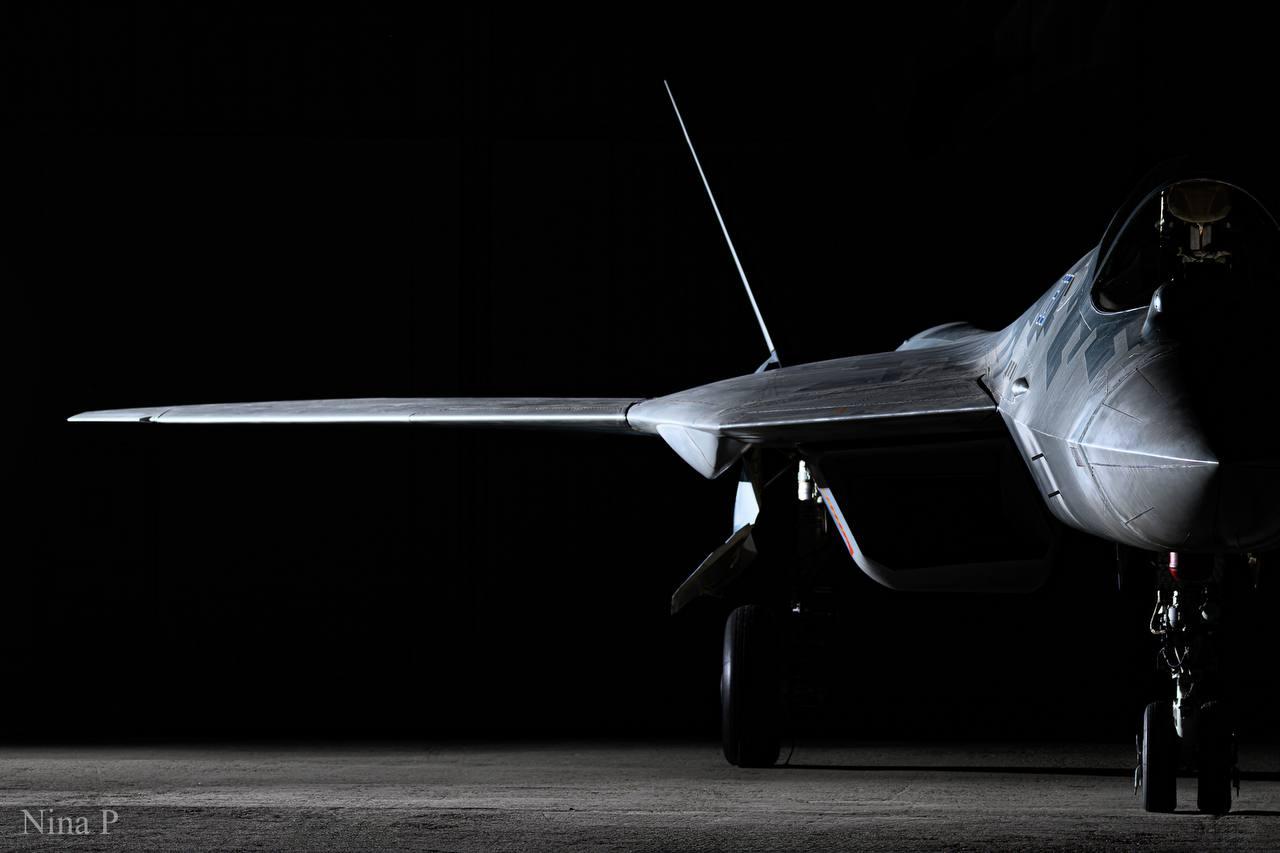
The Su-57 has joined the ranks of the most maneuverable fifth-generation fighters, demonstrating characteristics comparable to the world's best combat aircraft. The Russian machine boasts a combination of high dynamics, thrust-to-weight ratio, and thrust vectoring technologies that expand its capabilities in air combat.
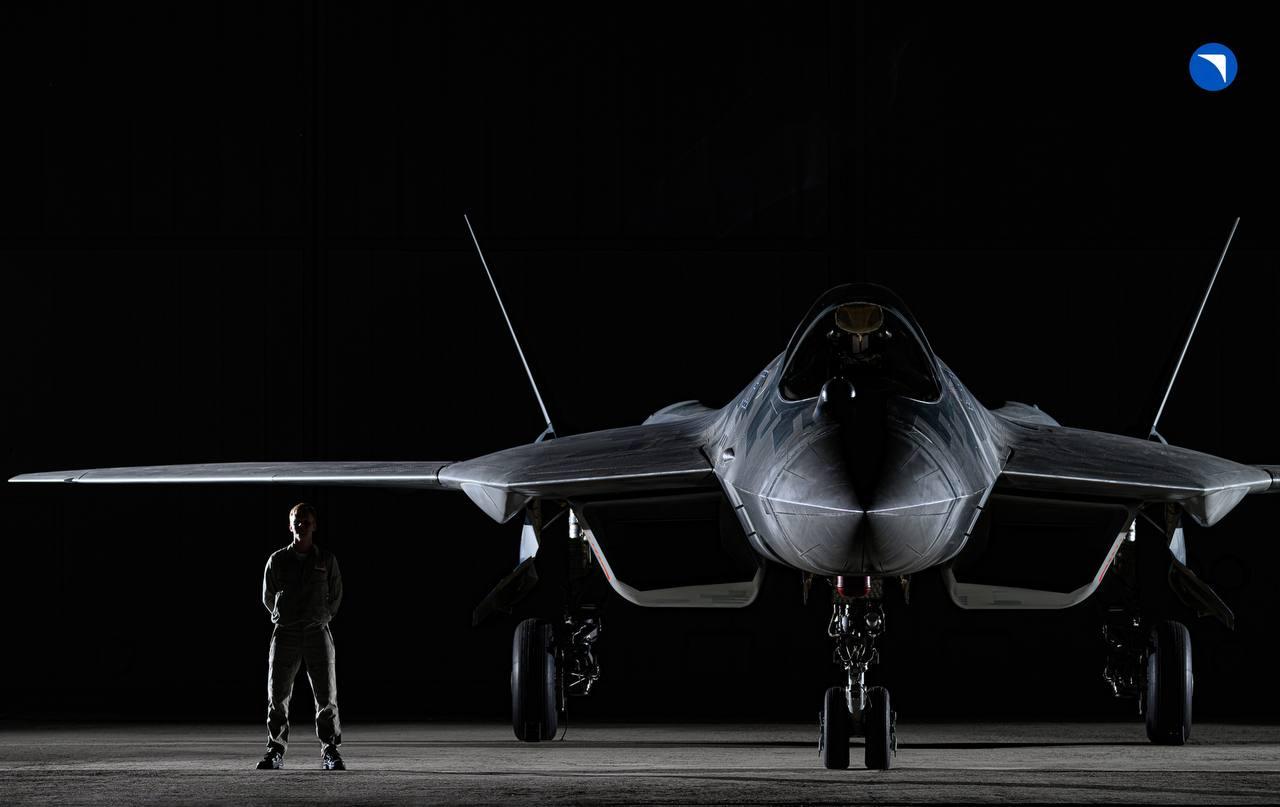
Data on the dynamics of modern fighter jets was presented by military expert Evgeny Damantsev. According to his assessment, the development of combat aircraft has led to a shift from simple maneuver superiority to a complex struggle for information advantage, detection range, and missile weapon effectiveness.
One of the key parameters remains the angular turn rate. For the Russian Su-57, this indicator reaches about 28 degrees per second, for the Su-35S – up to 23 degrees per second, and for the Su-27SM – about 19 degrees per second. For comparison, the F-16C shows approximately 21 degrees per second, the F-22A – about 28 degrees, the latest versions of Rafale – up to 28 degrees, and the J-10C – about 22 degrees.
The difference is particularly noticeable when comparing generations. The F-4E Phantom II, created in an era when the main emphasis was on speed and missile weaponry, had a sustained turn rate not exceeding 14 degrees per second. The emergence of the F-16 marked a transition to a new concept with high maneuverability, lower wing loading, and improved thrust-to-weight ratio.
Modern Russian fighters Su-35S and Su-57 have gained additional advantages due to engines with thrust vectoring. This technology allows them to maintain high controllability at high angles of attack and perform maneuvers inaccessible to most previous generation aircraft.
However, new-generation air engagements increasingly depend not only on the ability to perform complex maneuvers. Onboard radar systems with active phased array antennas, electronic warfare systems, and the capabilities of air-to-air missiles are beginning to play a primary role.
Read more on the topic:
Never miss our newsAdd this site to your preferred sources to see us more oftenAdd on Google