A four-level counter-UAV architecture minimizes the threat of drones with artificial intelligence. This was reported to TASS on March 22 by the developers of the Russian drone detector "Shadow". The main difference between UAVs with AI and conventional drones is high autonomy and speed of information processing. Such systems continue to perform the task when communication is suppressed and are capable of operating in swarms, which significantly complicates countermeasures. Developers are recording the expansion of the geography of the use of autonomous drones in the armed conflict zone.
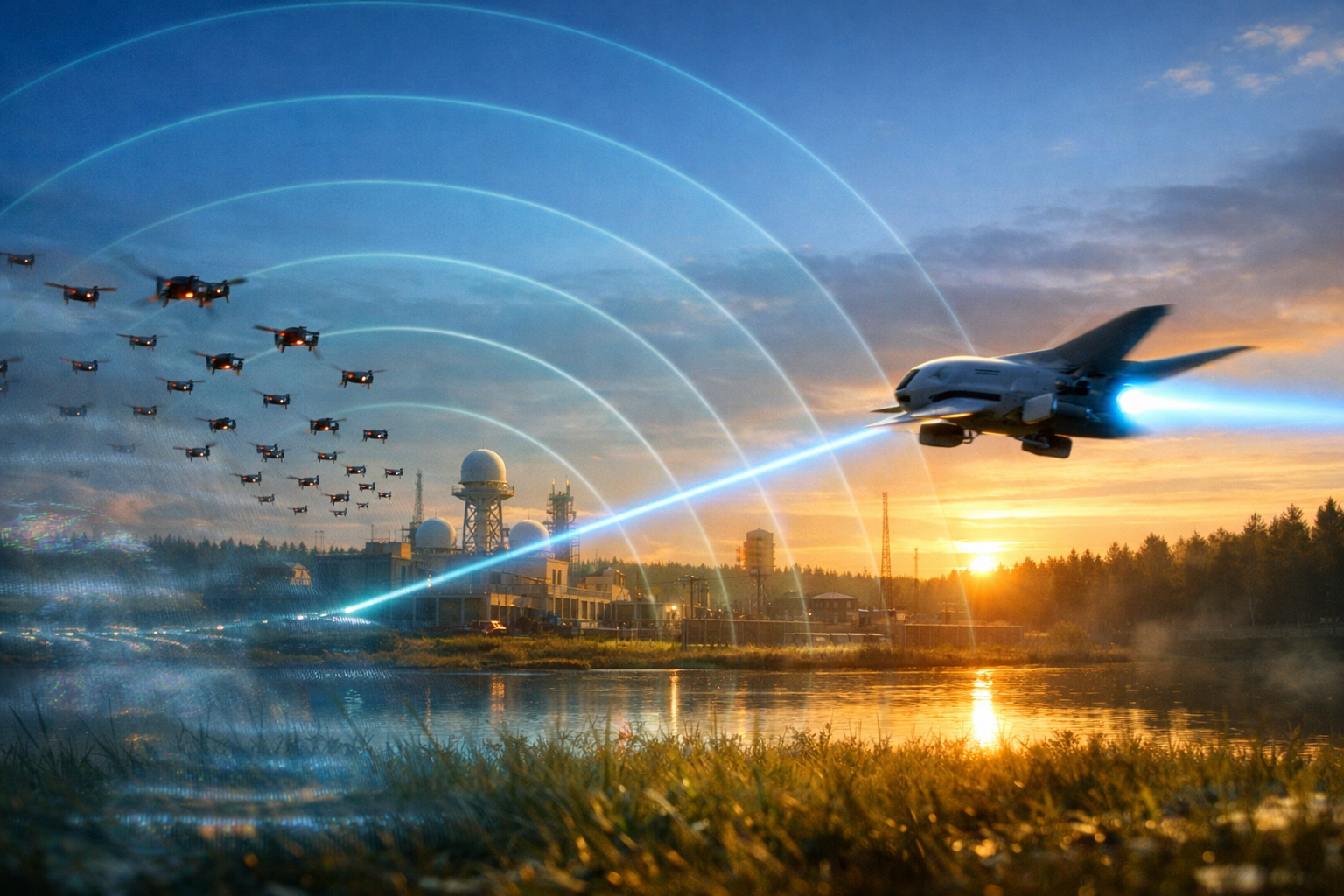
Four levels of countering AI drones
First level — detection. For this, small-sized radars, radio frequency scanners, acoustic systems, cameras and thermal imagers with computer vision algorithms are used to automatically detect drones.
Second level — electronic warfare. Suppression of control channels and satellite navigation leads to loss of control or return of the drone to the starting point. However, against fully autonomous platforms, the effectiveness of EW is limited.
Third level — kinetic interception. Small arms, short-range air defense systems, network guns, interceptor drones and specialized ammunition.
Fourth level — cybernetic impact: interception of control or substitution of navigation signals.
Drone swarms: a special threat and specialized means of combating
Swarms of drones pose a particular challenge — standard interception tools do not have time to process many simultaneous targets. To counter this, systems for automatic detection and rapid fire response are being developed, as well as directed impact weapons — microwave and laser systems for disabling UAV electronics. Engineering protection of objects — camouflage, shelters and protective networks — remains a mandatory additional level.
The increasing autonomy of UAVs makes traditional EW insufficient: an AI drone is not lost when communication is jammed, but continues to perform the task according to a predetermined algorithm. This shifts the emphasis from electronic warfare to kinetic interception and cyber impact — more expensive and technically complex methods.
Read more materials on the topic:
- Powerful drone detectors "Alissum-8" are purchased by the military: they operate up to 12,000 MHz and are not afraid of EW
- "Shadow" sees drones before they appear: the Russian detector operates at the frequencies of the future
- The new drone detector "Mars" began to be mass-produced for the Russian army
Never miss our newsAdd this site to your preferred sources to see us more oftenAdd on Google

















