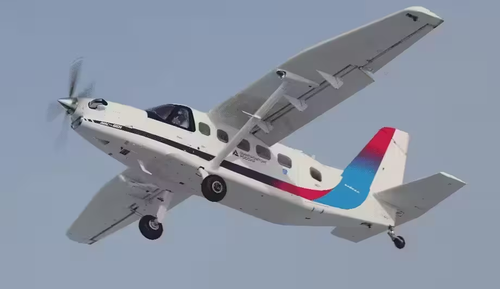
The light multi-purpose aircraft LMS-901 "Baikal", created as a modern replacement for the An-2, is approaching certification: according to Maxim Kharin, Commercial Director of UZGA, permission for the first flight is expected in the near future, and the type certificate is planned to be issued before the end of 2026. The operating cost of its flight hour - about 150 thousand rubles - makes the "Baikal" attractive to regional carriers, agricultural aviation, and emergency response services.
Currently, tentatively, at the time of the aircraft's release, it is around 140-150 thousand rubles. This is almost comparable to a foreign analogue or the same An-2.
The aircraft is designed for nine passengers and is capable of developing a cruising speed of up to 300 km/h. The maximum flight range is 3,000 km; with a payload of 2 tons, it is reduced to 1,500 km. Thanks to these characteristics, the "Baikal" is positioned as a universal platform for performing a wide range of tasks - from passenger transportation on undeveloped routes to patrolling forests and delivering goods to remote areas.
Read more materials on the topic:
- "Unsuitable Aircraft": Development of LMS-901 "Baikal" Reached a Dead End Due to Airfield Requirements
- Honored Pilot Declared the Failure of the LMS-901 "Baikal" Program
- The LMS-901 "Baikal" Aircraft Has Not Even Taken Off, But It Is Already Being Reworked
Never miss our newsAdd this site to your preferred sources to see us more oftenAdd on Google

















