Translated with AI from the Russian original.
The number of video content for children created using artificial intelligence is growing in Russia, the UBK of the Ministry of Internal Affairs of the Russian Federation reported. The department noted that a significant part of such content does not carry educational value and serves primarily to retain the child's attention and show advertising.
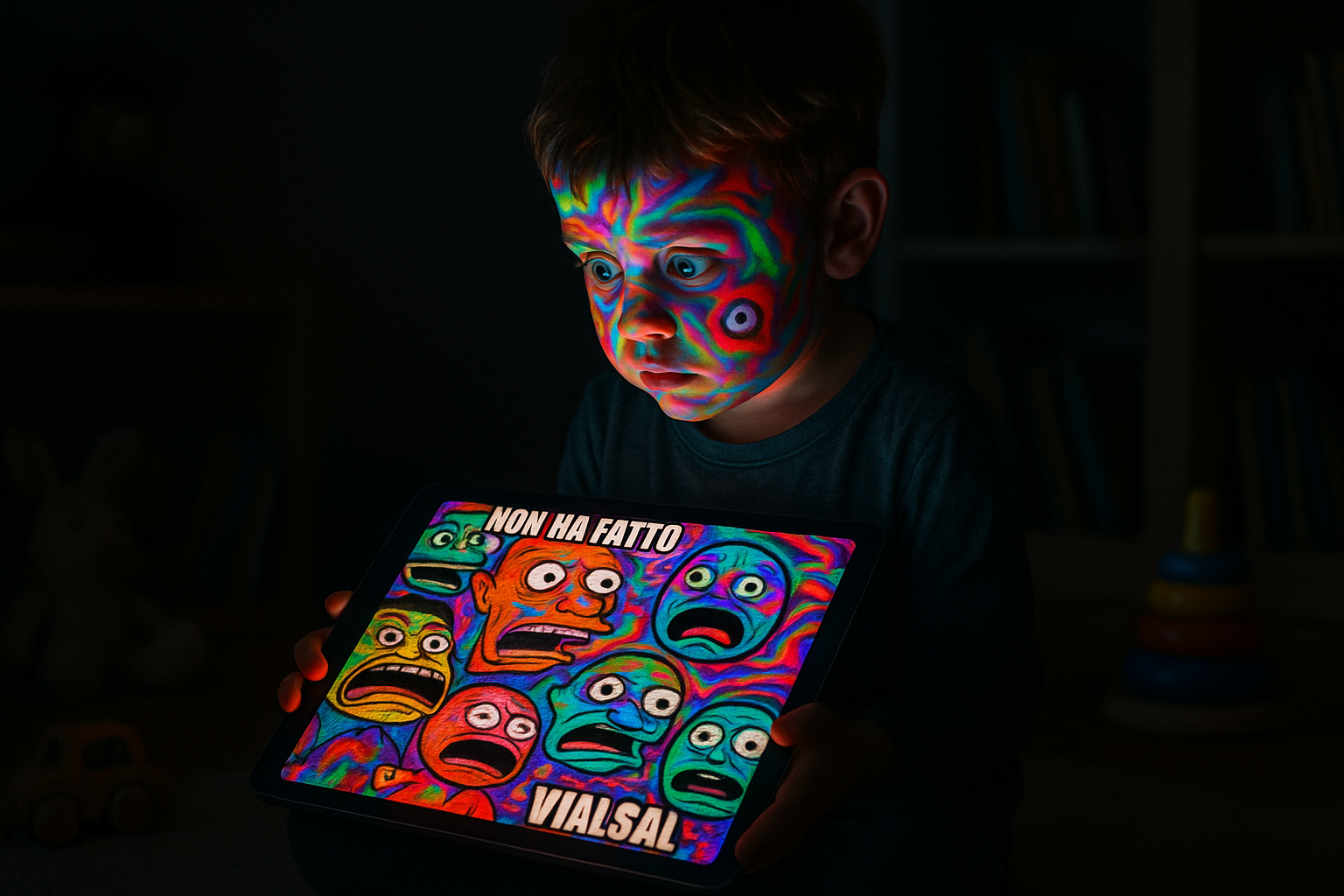
According to the Ministry of Internal Affairs, about 60% of parents allow children under two years old to watch videos on video hosting sites, and a third do it daily. With this level of interaction, contact with automatically generated content becomes almost inevitable. Experts warn that this forms a child's perception of the digital environment as a stream of bright but meaningless stimuli, reduces concentration, makes it difficult to memorize and develop consistent thinking. These changes are associated with the phenomenon of "digital dementia" - cognitive difficulties with excessive dependence on gadgets.
The Ministry of Internal Affairs emphasizes that the technology itself is not dangerous, the problem arises with its passive consumption. Parents are encouraged to teach the child to actively interact with information: analyze it, compare sources and create something new based on the data obtained. "Gadgets are not the enemy. But they should be a tool, not a replacement for real experience. The developing brain needs movement, emotions and diverse experiences," the department noted.
For a safe digital experience, children are advised to choose cartoons with a clear meaning instead of AI content, read, draw and play without video in the background, as well as walk in the fresh air, participate in everyday activities and communicate with other people. Conscious use of technology helps to maintain the child's attention, memory and imagination, while reducing the risks of cognitive impairment.
Read more on the topic:
- AI-based assistants will appear for schoolchildren in the Russian Federation
- Solve "homework" and save money: it became known what children most often ask AI for
- Every third Russian dreams of a robot assistant with AI
Never miss our newsAdd this site to your preferred sources to see us more oftenAdd on Google

















